
What's Happening?
The 2026 Formula 1 season has introduced significant changes in engine regulations, leading to mixed reactions from drivers and teams. The new rules, which emphasize a balance between internal combustion and electrical power, have resulted in energy limitations
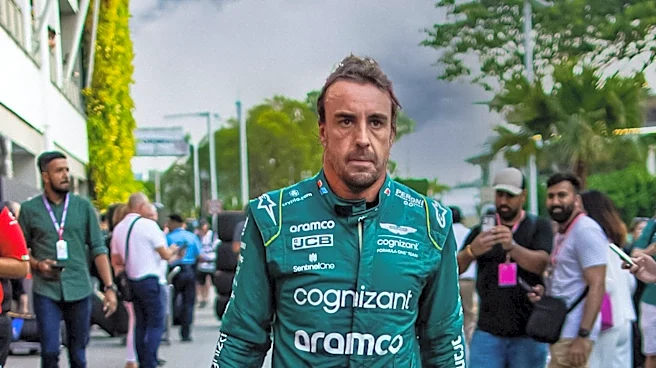
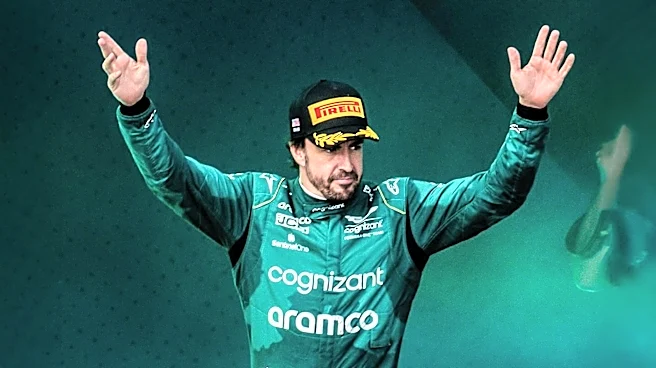
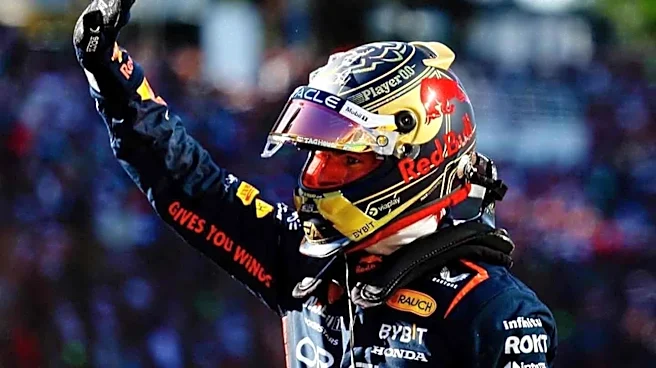
and reduced horsepower. This has affected the racing dynamics, with drivers like Max Verstappen and Fernando Alonso expressing concerns about the impact on performance and excitement. The FIA has acknowledged these issues and plans to adjust the engine split in future seasons to address the challenges.
Why It's Important?
The engine regulations are a critical aspect of F1, influencing car performance, race strategies, and the overall spectacle of the sport. The current challenges highlight the complexities of balancing technological innovation with competitive racing. The FIA's response to these issues will be crucial in maintaining the sport's appeal and ensuring that teams can compete effectively. The situation also underscores the need for ongoing dialogue between the governing body, teams, and drivers to align on the sport's future direction.
What's Next?
The FIA plans to modify the engine split to 60-40 by 2028, with an intermediate step next year. This adjustment aims to alleviate the current energy limitations and improve racing dynamics. Teams will continue to adapt to the new regulations, and their feedback will be essential in shaping future rule changes. The ongoing developments will be closely monitored by stakeholders, as they have significant implications for the sport's competitiveness and sustainability.