


What's Happening?
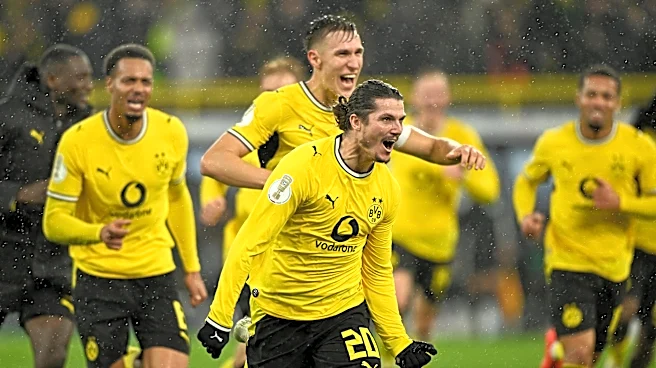
Borussia Dortmund has introduced a rewards program aimed at encouraging fans to reduce their phone usage during live matches. This initiative, announced last Friday, offers incentives such as signed jerseys and gift cards to the club’s merchandise store
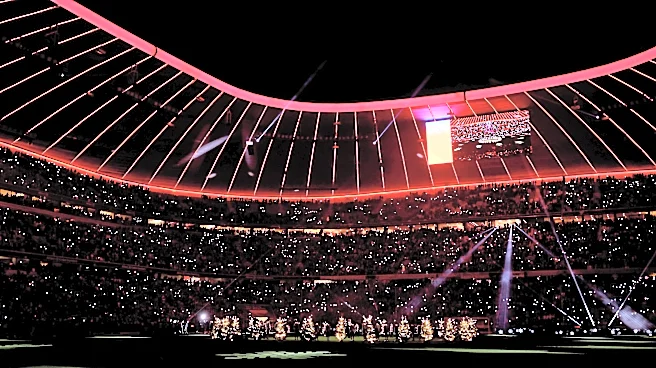
for fans who activate a 'fan mode' on the club's app and keep their phones locked. The app tracks phone usage, awarding points for every minute a fan refrains from unlocking their device. This move comes as the club, along with others like Hertha Berlin and Dynamo Dresden, observes an increase in 'influencer-style' content creation within stadiums, which they believe detracts from the live experience and potentially infringes on TV rights. Dortmund's chief executive, Carsten Cramer, emphasized the importance of experiencing the 'here and now' of a match, a sentiment echoed by Marcel de Groot, CEO of Vodafone Germany and a club sponsor, who urged fans to focus on the game rather than their screens.
Why It's Important?
This initiative by Borussia Dortmund highlights a growing tension between traditional fan engagement and the pervasive influence of digital technology and social media at live sporting events. For U.S. sports leagues, this development could serve as a case study in managing fan behavior and preserving the integrity of the live experience. While U.S. sports often feature more curated fan interactions, the rise of content creators and the constant use of smartphones are universal challenges. If successful, Dortmund's model could inspire similar programs in the U.S., potentially leading to new policies regarding fan conduct and digital device usage in stadiums. Conversely, if fans resist such measures, it could underscore the difficulty sports organizations face in dictating how ticket-buying attendees choose to experience events, raising questions about consumer autonomy versus the desired atmosphere of a live game. The outcome could influence how U.S. teams balance commercial interests with fan experience.
What's Next?
The effectiveness of Borussia Dortmund's rewards program will likely be closely monitored by other sports organizations globally, including those in the U.S. Future developments could include adjustments to the program based on fan feedback and participation rates. If the initiative proves successful in significantly reducing phone use and enhancing the live atmosphere, other clubs and leagues might explore similar strategies. Conversely, if fans largely ignore the incentives or express dissatisfaction, Dortmund may need to re-evaluate its approach. The broader conversation about fan behavior, the role of technology in live events, and the rights of content creators within stadiums is expected to continue, potentially leading to new industry standards or regulations regarding media consumption at sporting venues.
Beyond the Headlines
Dortmund's initiative delves into deeper philosophical questions about the nature of sports fandom and the consumption of live entertainment in the digital age. It challenges the notion of whether sports events are purely entertainment to be passively consumed or if fans are active participants with a responsibility to contribute to the collective atmosphere. This debate resonates beyond soccer, touching on concerts and other live performances where artists often face a 'sea of cell phones.' The club's attempt to 'purity-test' its supporters raises ethical considerations about the extent to which organizations can dictate fan behavior. It also highlights a cultural divide between the organic, fan-driven folklore often seen in global football and the more controlled, announcer-led fan engagement prevalent in many American sports. The success or failure of this program could influence how sports organizations worldwide define and cultivate the 'ideal' fan experience in an increasingly digital world.