



What's Happening?
Skincare professionals are cautioning consumers about the potential negative effects of using too many active ingredients simultaneously in their routines. While individual active ingredients like niacinamide, retinol, vitamin C, and exfoliating acids
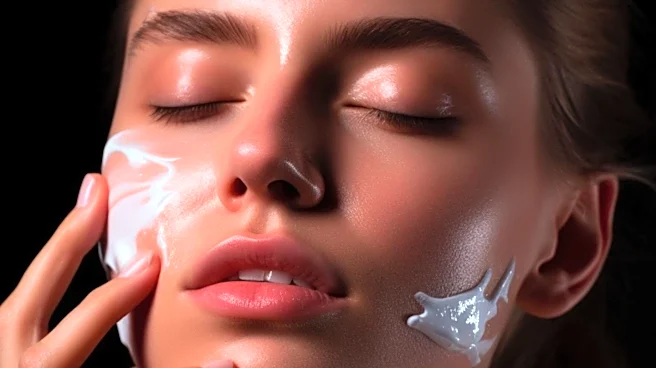
can be beneficial, combining too many without proper coordination can lead to skin irritation, increased sensitivity, dryness, flaking, and a weakened skin barrier. The issue often stems from the belief that more active ingredients will yield better results, but experts emphasize that gradual introduction, appropriate concentrations, and understanding skin tolerance are more crucial than the sheer number of products. Signs of overuse include skin feeling tight and dry, products that previously felt soothing now stinging, redness, itching, uneven texture, and experiencing more problems despite using more products.
Why It's Important?
This warning is significant for U.S. consumers, as the beauty market is flooded with products containing various active ingredients, often promoted through social media and marketing as essential for optimal skin. Misinformation or a lack of understanding about ingredient compatibility and skin physiology can lead to widespread skin health issues, increasing demand for dermatological services and potentially causing consumer frustration with skincare products. For the beauty industry, this highlights the need for clearer product instructions, better consumer education, and potentially more thoughtful formulation of products designed to be used in conjunction. It also underscores the importance of individualizing skincare routines, moving away from a one-size-fits-all approach. Economically, consumers spending on numerous active products that ultimately harm their skin represent wasted resources and a potential loss of trust in brands.
What's Next?
Consumers experiencing irritation are advised to simplify their routines by temporarily stopping stronger active ingredients like retinoids and exfoliating acids. The recommended approach is to revert to a basic routine consisting of a gentle cleanser, a simple moisturizer, and broad-spectrum sunscreen. Once the skin recovers, active ingredients should be reintroduced gradually, one at a time, to monitor the skin's reaction. This phased reintroduction helps identify which products are well-tolerated and effective. The long-term trend is likely to be a greater emphasis on minimalist skincare routines and personalized advice, with a focus on understanding individual skin needs rather than blindly following trends or accumulating numerous products. Dermatologists and skincare educators will continue to play a key role in guiding consumers toward balanced and effective routines.
Beyond the Headlines
The phenomenon of 'over-actives' in skincare reflects a broader cultural inclination towards seeking rapid and maximal results, often fueled by social media trends and the constant introduction of new 'miracle' ingredients. This can create a cycle of product accumulation and subsequent skin issues, leading to a sense of dissatisfaction and a continuous search for the 'next best thing.' Ethically, it raises questions about the responsibility of brands and influencers to provide balanced and accurate information, rather than promoting excessive product use. This situation also highlights the psychological aspect of skincare, where the desire for perfect skin can lead to counterproductive behaviors. A shift towards a more mindful and patient approach to skincare could foster healthier relationships with beauty routines and promote a more sustainable consumption pattern within the U.S. market.