


What's Happening?
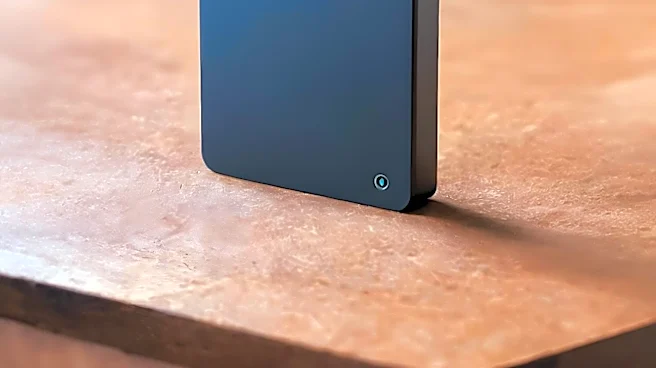
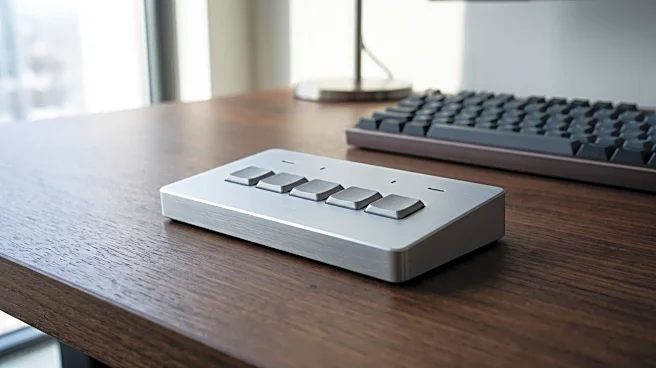
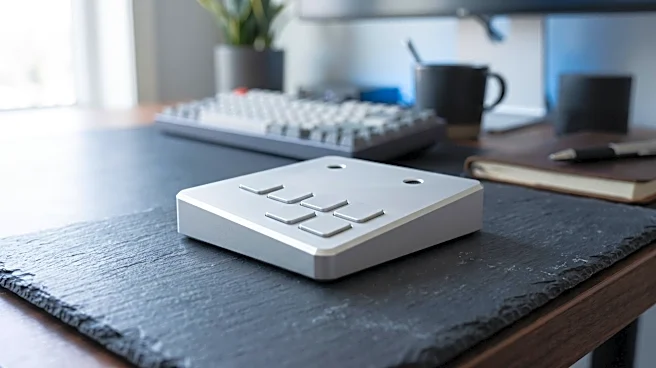
Genspark has introduced the SecondBrain VoicePad, a new hardware device designed to integrate voice input and AI shortcuts into daily desktop workflows. This palm-sized aluminum device, weighing 85 grams, connects to Mac or PC via Bluetooth or USB-C.
It features five customizable keys pre-set for functions like dictation, meeting notes, calendar, slide decks, and Genspark’s AI agent. Users can remap these keys to various applications such as ChatGPT, Claude, Gemini, Slack, or Notion, as well as common shortcuts. The VoicePad aims to bridge the gap between speaking and typing speeds, offering dictation that works in over 100 apps, removes filler words, and supports more than 50 languages for translation into English. The device also addresses privacy concerns by only recording when a key is pressed, rather than through continuous listening or wake words. Its two microphones are designed to capture whispered speech when held close to the mouth, making it suitable for shared office or home environments. The planned retail price is $169, with early Kickstarter pricing starting at $99.
Why It's Important?
The introduction of the SecondBrain VoicePad signifies a move towards dedicated hardware solutions for AI interaction, potentially making AI tools more accessible and integrated into professional routines. By offering a tactile accessory, Genspark is testing whether physical controls can overcome the friction often associated with voice commands and AI software. This could lead to increased adoption of AI tools across various industries, as users may find it more intuitive and efficient to interact with AI through a dedicated device rather than solely through software interfaces. The device's ability to record meetings without a laptop and generate summaries, decisions, and to-dos directly into Genspark’s SecondBrain positions it as more than just a peripheral; it acts as an entry point to Genspark’s broader software ecosystem. This strategy could influence how other tech companies approach AI integration, potentially spurring a trend of combining AI software with specialized hardware to enhance user experience and productivity. The competitive landscape may see pressure on other AI assistant providers to develop similar physical controls.
What's Next?
Genspark will be monitoring the market reception of the SecondBrain VoicePad, particularly its Kickstarter campaign and subsequent retail sales. The company's commercial model ties hardware adoption to ongoing services, offering a year of unlimited voice typing and translation, plus 1,000 Super Agent credits, with a free allowance for dictation and credit-based translation after the first year. This subscription model will be crucial for long-term revenue and user retention. If the VoicePad gains traction, competitors in the AI space may be compelled to develop their own dedicated hardware solutions to maintain competitiveness. The success of this device could also influence the development of future AI-powered peripherals, potentially leading to a new category of AI-centric hardware designed to streamline various professional tasks. Genspark will likely focus on expanding the device's integration capabilities with more third-party applications and refining its AI features based on user feedback.
Beyond the Headlines
The SecondBrain VoicePad touches upon deeper implications regarding the human-computer interaction paradigm, particularly in the age of AI. It represents a shift from purely software-based AI interaction to a more hybrid model that incorporates physical hardware. This could lead to a re-evaluation of how productivity tools are designed, emphasizing tactile feedback and dedicated controls for complex AI functions. Ethically, the device's privacy-conscious design, which only records when a key is pressed, addresses growing concerns about always-on listening devices and data security in AI tools. This approach could set a precedent for future AI hardware, prioritizing user control over continuous monitoring. Culturally, if successful, such devices could normalize more overt voice interaction in professional settings, potentially changing office etiquette and communication styles. The long-term shift could see a greater reliance on AI-powered voice interfaces for everyday tasks, blurring the lines between human thought and AI assistance in decision-making and content creation.