





What's Happening?
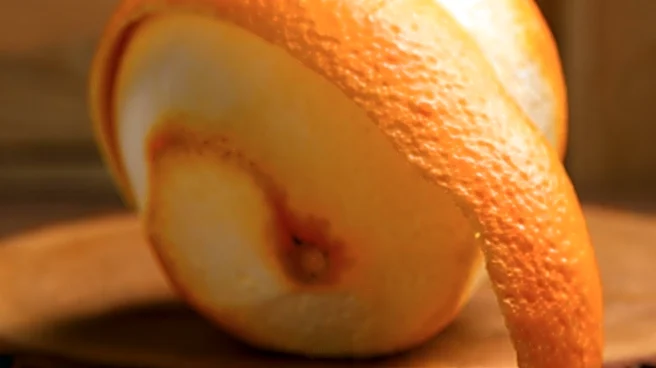
Loewe, a Spanish luxury brand, has released a new 'Peeling Orange Charm' as part of a collection of fruit-inspired bag accessories. This charm, crafted from brass and calfskin, is designed to resemble an orange in the process of being peeled. It aligns
with Loewe's established creative approach of transforming everyday objects into surreal leather pieces. The charm is presented as a decorative item intended to be clipped onto a bag, emphasizing form over utility. Other luxury brands, including Delvaux, Dior, and Louis Vuitton, have also introduced their own fruit-themed bag charms this season, featuring designs such as a strawberry, pear, and dragonfruit.
Why It's Important?
The introduction of such luxury accessories by prominent brands like Loewe reflects a broader trend in the fashion industry towards incorporating whimsical and artistic elements into high-end products. These items, while seemingly minor, serve multiple purposes. They offer a more accessible entry point into luxury brands for consumers who may not be able to afford larger items like handbags. Furthermore, they allow brands to showcase their craftsmanship and creative identity in unique ways, reinforcing their brand image. For consumers, these charms act as statement pieces, adding a personalized and playful touch to their existing luxury items, thereby extending the perceived value and longevity of their purchases. This trend also highlights the industry's response to a consumer desire for joy and individuality in fashion.
What's Next?
The success of these fruit-themed charms may lead to further exploration of everyday objects as inspiration for luxury accessories across the industry. Brands will likely continue to innovate with unique materials and designs to capture consumer interest in this niche market. We can anticipate more limited-edition releases and collaborations that blend art and fashion, potentially expanding into other categories beyond bag charms. The focus on 'form over utility' suggests a continued emphasis on aesthetic appeal and collectibility, which could drive demand for similar artistic, non-essential luxury items. This trend could also influence how luxury brands market their products, emphasizing storytelling and the artistic value of their creations.
Beyond the Headlines
The trend of transforming mundane objects into luxury accessories, as exemplified by Loewe's Peeling Orange Charm, speaks to a deeper cultural phenomenon where art and consumerism increasingly intertwine. These items challenge traditional notions of utility in luxury goods, positioning them more as wearable art or collectible pieces. This approach can elevate the perceived value of a brand, demonstrating its creativity and ability to innovate beyond conventional designs. Ethically, it raises questions about the accessibility of art and luxury, as these items, while smaller, still carry significant price tags. Culturally, it reflects a desire for playfulness and individuality in an increasingly standardized world, allowing consumers to express their personality through unique, high-end embellishments. This shift could also influence design education and the broader art market, blurring the lines between commercial design and fine art.