






What's Happening?
Air Transport Services Group (ATSG) has finalized the sale of Omni Air International, its passenger ACMI and charter operator, to OAI Holdings. This strategic move allows ATSG to sharpen its focus on its core businesses: air cargo transportation, aircraft
leasing, and associated aviation support services. The financial terms of the transaction were not disclosed. OAI Holdings is a private investor group that includes Rob Coretz, Omni Air International's founder, and Jude Bricker, former president and chief executive of Sun Country Airlines. Greg Mays, president and chief executive of ATSG, stated that the sale enables ATSG to accelerate investment in its core markets and adapt to evolving customer requirements. ATSG's remaining businesses include cargo airlines ABX Air and Air Transport International, along with Cargo Aircraft Management and Airborne Maintenance & Engineering Services.
Why It's Important?
This divestment marks a significant strategic shift for ATSG, signaling a clear commitment to the burgeoning air cargo sector. By shedding its passenger operations, ATSG can allocate more resources and capital towards expanding its cargo fleet, enhancing maintenance capabilities, and optimizing logistics services. This focus is particularly timely given the sustained growth in e-commerce and global supply chain demands, which have amplified the need for efficient air freight solutions. The move positions ATSG to better compete in a specialized market, potentially leading to increased market share and profitability within the cargo segment. For the broader U.S. logistics and aviation industries, ATSG's sharpened focus could lead to more robust and specialized cargo services, benefiting businesses reliant on air freight for their operations.
What's Next?
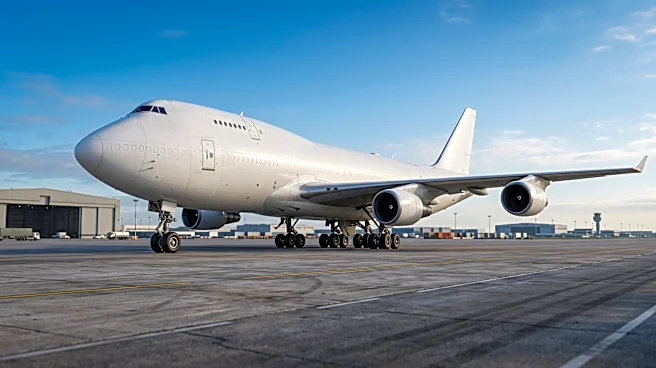
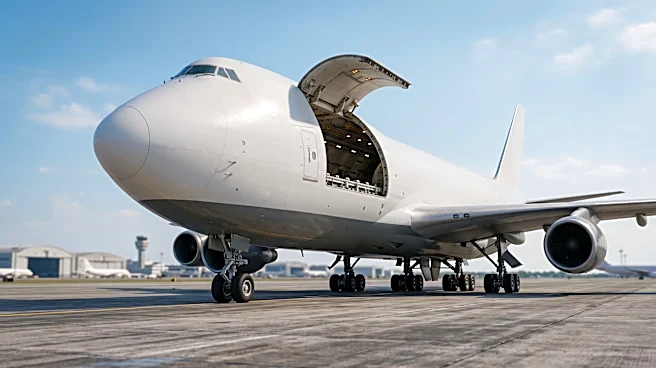
Following the sale, ATSG is expected to intensify its investment in its core air cargo operations. This could include expanding its fleet of cargo aircraft, particularly Boeing 767s and 777s, to meet growing demand. The company may also look to enhance its aircraft leasing portfolio and further develop its aviation maintenance and engineering services. The strategic refocus could lead to new partnerships or expanded contracts with major e-commerce retailers and logistics providers. ATSG will likely leverage its streamlined business model to respond more agilely to market shifts and customer needs in the cargo sector. The company's performance in the coming quarters will be closely watched as it executes this refined strategy, with potential implications for its stock performance and competitive standing in the air cargo market.
Beyond the Headlines
ATSG's decision to divest Omni Air International reflects a broader trend in the aviation industry where companies are increasingly specializing to gain competitive advantages. In an era of complex global supply chains and fluctuating passenger travel demands, focusing on a niche like air cargo allows for greater operational efficiency and strategic clarity. This move also highlights the robust health and growth potential of the air freight market, which has proven more resilient to certain economic downturns compared to passenger travel. The transaction could set a precedent for other diversified aviation companies to consider similar strategic realignments, further segmenting the industry. Ultimately, ATSG's sharpened focus on cargo could contribute to innovations in logistics and supply chain management, benefiting the wider U.S. economy by facilitating faster and more reliable movement of goods.