




What's Happening?
The North American mining industry is highlighting a range of advanced machinery designed for underground coal mining operations, focusing on improved safety features and increased productivity. Among the featured equipment are roof bolters like the Fletcher
RRII and Rokion R710. The Fletcher RRII offers dual-head versatility and rugged Automated Temporary Roof Supports, potentially eliminating the need for temporary posts. Its design allows drilling close to the rib and includes a central walkway for operator safety. The Rokion R710 Series, from Prairie Machine, is designed as an electric alternative to fuel-driven roof bolters and forklifts, featuring an articulated design and certified falling-object protective structures. It also boasts an extendible boom and an indexing mast for effective roof support installation. Additionally, shuttle cars from Komatsu and American Manufacturing and Components (AMAC), along with underground loaders from Sandvik and Epiroc, are being showcased for their operational flexibility, robust drive systems, and enhanced safety and comfort features for operators.
Why It's Important?
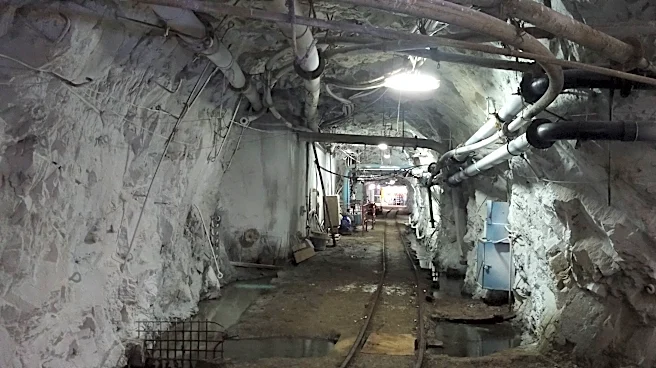
The introduction and adoption of these advanced mining machines are crucial for the U.S. mining industry, particularly in underground coal operations. These innovations directly address critical industry challenges such as worker safety, operational efficiency, and environmental impact. Features like automated temporary roof supports, certified protective structures, and remote-control capabilities significantly reduce risks associated with rockfalls and unstable environments, thereby enhancing worker safety. The shift towards electric-powered machinery, exemplified by the Rokion R710, contributes to reducing emissions and improving air quality in underground mines, aligning with broader environmental goals. Furthermore, increased productivity through features like higher payload capacities, improved hydraulic breakout force, and reduced maintenance requirements can lead to lower operational costs and increased output for mining companies, strengthening the economic viability of the sector. These advancements also signal a commitment to modernizing mining practices, making the industry more sustainable and attractive to a new generation of workers.
What's Next?
The mining industry is expected to continue its trend towards automation, electrification, and enhanced safety features in underground equipment. Manufacturers like Rokion are already developing remote-operated configurations for machines like the R710, which will further reduce human exposure to hazardous conditions in mines with low roof heights or unstable environments. The focus on operator comfort, through reduced noise and vibration, will likely lead to improved worker retention and overall job satisfaction. As these technologies become more widespread, mining companies will likely invest in training programs to ensure their workforce can effectively operate and maintain the new machinery. There may also be increased regulatory scrutiny and incentives to adopt safer and more environmentally friendly equipment, pushing the industry further towards these advanced solutions. The ongoing development of more efficient and robust electric drive systems will also be a key area of focus, aiming to extend operational times and reduce reliance on fossil fuels in underground settings.
Beyond the Headlines
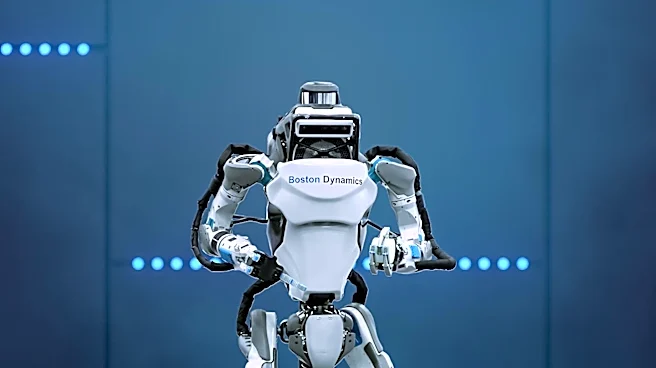
Beyond the immediate benefits of safety and productivity, the evolution of mining equipment reflects a broader technological transformation within heavy industries. The integration of advanced sensor technology, AI-driven diagnostics, and remote operation capabilities in these machines points towards a future where mining operations are increasingly digitized and autonomous. This shift could lead to a redefinition of roles within the mining sector, requiring a workforce with more specialized technical skills in areas like robotics, data analytics, and remote systems management. The emphasis on reducing environmental impact through electrification also aligns with global sustainability trends, potentially positioning the mining industry as a contributor to a greener economy rather than solely an extractor of resources. Furthermore, the continuous improvement in operator comfort and safety could help address the industry's long-standing challenges in attracting and retaining talent, fostering a more modern and appealing work environment.