




What's Happening?
Eric Bischoff, a veteran in the wrestling industry, has voiced strong criticism regarding Steven Borden's in-ring experience and the decision to place him in high-risk situations. His comments follow an injury scare at AEW All Out, where Borden, son of Sting,
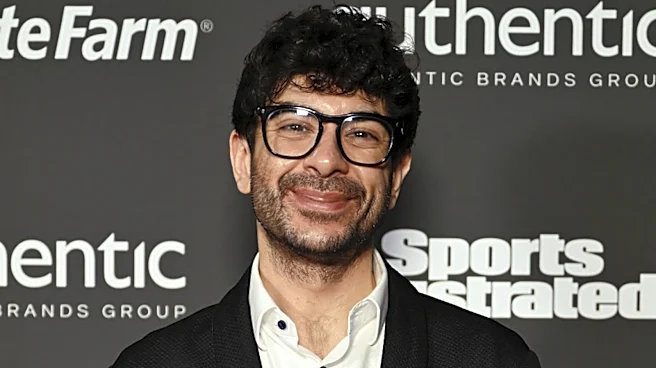
sustained a hard landing during a double coast-to-coast spot in a tag match with Darby Allin against Kevin Knight and Kyle Fletcher. The match was halted, and Borden was stretchered out, though subsequent CT scans were reported to be clear. Bischoff argues that Borden is too inexperienced for such prominent and dangerous maneuvers on television, placing responsibility on those who approved the spot, including AEW President Tony Khan.
Why It's Important?
Eric Bischoff's critique highlights significant concerns within the professional wrestling industry regarding talent development, safety protocols, and the responsibilities of promoters. His comments underscore the potential risks associated with pushing inexperienced wrestlers into high-profile, dangerous spots, which can lead to serious injuries and impact a performer's career longevity. This situation raises questions about the balance between creating exciting on-screen moments and ensuring wrestler safety. For AEW, this incident and the subsequent criticism could prompt a review of their talent management and match planning processes, potentially influencing how they introduce and utilize new talent. It also affects public perception of the company's commitment to wrestler welfare, which is crucial for maintaining fan trust and attracting future talent.
What's Next?
Following Eric Bischoff's public criticism and Steven Borden's injury scare, AEW may face increased scrutiny regarding its safety practices and talent development strategies. It is possible that AEW President Tony Khan and other officials might re-evaluate how new talent, particularly those with limited experience, are integrated into high-stakes matches and dangerous spots. This could lead to more structured training, stricter approval processes for complex maneuvers, or a more gradual introduction of wrestlers to televised events. The incident might also spark broader discussions within the wrestling community about the pressures on performers to execute risky moves and the ethical responsibilities of promotions to protect their athletes. Future booking decisions for Steven Borden will likely be closely watched to see if a more cautious approach is adopted.
Beyond the Headlines
The incident involving Steven Borden and Eric Bischoff's subsequent comments delve into the deeper ethical and professional considerations within the wrestling industry. Beyond immediate safety concerns, it touches upon the long-term health and career sustainability of wrestlers. The pressure to deliver 'pop spots' and visually spectacular moments can sometimes overshadow the fundamental need for proper training and experience, potentially leading to preventable injuries. This situation also highlights the generational aspect of wrestling, where the legacy of a famous parent (Sting) can create both opportunities and immense pressure for their offspring. The debate over who is ultimately responsible—the wrestler, the coaches, or the promoter—reflects the complex interplay of individual ambition, corporate strategy, and athlete welfare in a high-impact entertainment sport.