






What's Happening?
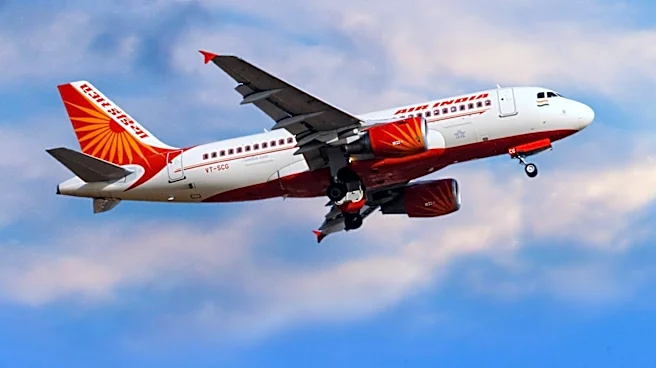
Air India has reinstated nonstop flight operations between India and the New York metropolitan area, significantly cutting travel times by up to five hours. The airline announced on November 15 that it has restored nonstop services across all four routes
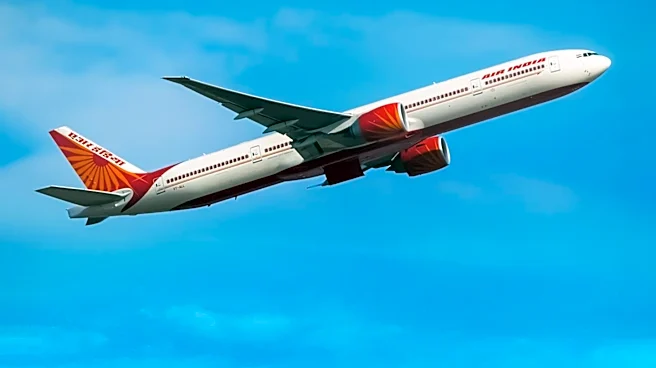
connecting Delhi and Mumbai with New York's John F. Kennedy International Airport (JFK) and Newark Liberty International Airport (EWR). This move eliminates the technical refueling stops in Rome that were previously required due to geopolitical tensions and airspace restrictions, specifically Pakistan's airspace closure to Indian carriers and restrictions in the Middle East. The restoration, which began on November 4, reduces journey times from approximately 22 hours to about 17 hours. Air India now operates 21 weekly nonstop flights between India and the New York metropolitan area, utilizing Airbus A350-900 aircraft for Delhi routes and Boeing 777-300ER aircraft for Mumbai routes, both featuring upgraded cabin configurations.
Why It's Important?
The restoration of nonstop flights is particularly significant for the Indian American community in the U.S., especially as thousands prepare to travel to India for the Thanksgiving and Christmas holiday seasons. The reduced travel time and increased convenience will likely enhance travel experiences and connectivity between the two regions. For Air India, eliminating refueling stops is expected to reduce operating costs, although the airline has not yet announced corresponding reductions in airfares. This development also signals a partial return to normalcy in international air travel routes that were disrupted by geopolitical events, demonstrating the airline's adaptability in navigating complex global conditions. The enhanced connectivity could also foster stronger business and cultural ties between India and the U.S. by making travel more efficient and less arduous.
What's Next?
With nonstop services fully restored, Air India will continue to operate its 21 weekly flights to the New York metropolitan area, offering passengers direct access to both JFK and EWR. Travelers can expect continued service with the upgraded Airbus A350-900 and Boeing 777-300ER aircraft, which feature enhanced amenities like lie-flat beds in business class and improved in-flight entertainment. While operating costs are expected to decrease for Air India, the airline's decision on whether to pass these savings on to consumers through reduced airfares remains to be seen. The airline will likely monitor passenger demand and competitive pricing in the coming months, especially during peak travel seasons. The continued closure of Pakistani airspace to Indian carriers suggests that while some geopolitical hurdles have been overcome, others persist, potentially influencing future route planning and operational efficiencies.
Beyond the Headlines
This development highlights the profound impact of geopolitical events on global aviation and the resilience of airlines in adapting to such challenges. The necessity of rerouting and adding refueling stops due to airspace closures underscores the intricate web of international relations and their direct consequences on everyday travel. The restoration of these routes, facilitated by the reopening of Iraqi airspace, also points to the dynamic nature of regional conflicts and their ripple effects on global logistics. Furthermore, the timing of this restoration, coinciding with major U.S. holidays, emphasizes the airline's strategic focus on catering to key demographic groups, such as the Indian American diaspora. This move could also set a precedent for other airlines facing similar operational challenges, encouraging them to seek alternative routes and solutions to maintain service efficiency and passenger satisfaction.