



What's Happening?
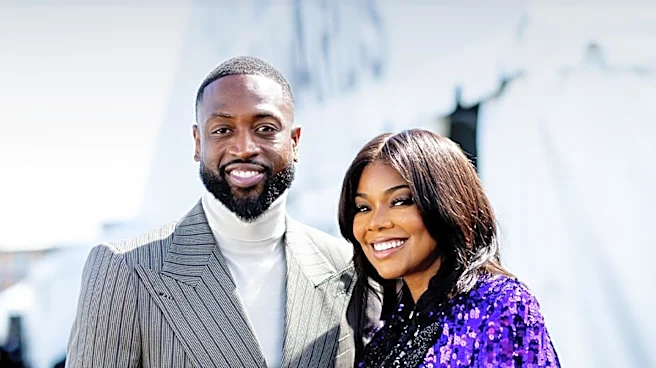
The Miami Heat has unveiled an updated statue of franchise icon Dwyane Wade outside the Kaseya Center, following widespread public ridicule of the original rendition. The initial statue, which was first revealed in October 2024, drew criticism for its
lack of resemblance to Wade. Dwyane Wade himself addressed the issue in a Substack post, acknowledging the jokes and admitting it was difficult not to feel protective of the artwork. He stated that he realized the statue belonged not just to him, but also to the fans and the city of Miami. Consequently, Wade, along with the artists Omri Amrany and Oscar Leon, agreed to make adjustments to the statue's head to improve its likeness. The updated version, revealed on Friday, is now considered to greatly resemble Wade, with the Heat organization and the artists emphasizing their willingness to listen to feedback and refine the tribute.
Why It's Important?
This event highlights the significant role of public perception and fan engagement in honoring sports figures. The initial backlash against the statue underscored the importance of accuracy and authenticity in public art, especially when commemorating beloved athletes. For the Miami Heat, ensuring the statue accurately represents Dwyane Wade is crucial for maintaining a positive relationship with its fanbase and preserving the legacy of one of its most celebrated players. The decision to revise the statue, rather than dismiss the criticism, demonstrates a commitment to community feedback and a desire to create a lasting tribute that genuinely resonates with fans. This situation also sets a precedent for how sports organizations might approach future commemorative projects, emphasizing the need for careful consideration of artistic representation and public sentiment.
What's Next?
The updated Dwyane Wade statue is now permanently displayed outside the Kaseya Center, serving as a renewed symbol of his legacy with the Miami Heat. The positive reception of the revised statue is expected to solidify its place as a cherished landmark for fans. This incident may encourage other sports franchises and public art initiatives to involve stakeholders, including the honorees and their communities, more closely in the design and approval processes for similar projects. The Heat's proactive response to public feedback could also influence future decisions regarding fan engagement and the representation of team history. Dwyane Wade's personal involvement and explanation via his Substack post further underscore the evolving ways public figures communicate with their audience regarding significant events.
Beyond the Headlines
The controversy and subsequent revision of Dwyane Wade's statue touch upon broader themes of artistic interpretation versus public expectation, particularly in the context of honoring cultural icons. While artists often have creative license, public monuments, especially those for widely recognized figures, carry a collective significance that demands a certain level of fidelity to the subject. The initial statue's failure to capture Wade's likeness sparked a debate about what constitutes a fitting tribute and who ultimately 'owns' the image of a public figure. The resolution, achieved through collaboration and a willingness to adapt, suggests a growing understanding that public art, particularly in sports, must balance artistic vision with the emotional connection and recognition of the community it serves. This event also subtly highlights the power of digital platforms like Substack for public figures to directly address and engage with their audience on sensitive matters.