


What's Happening?
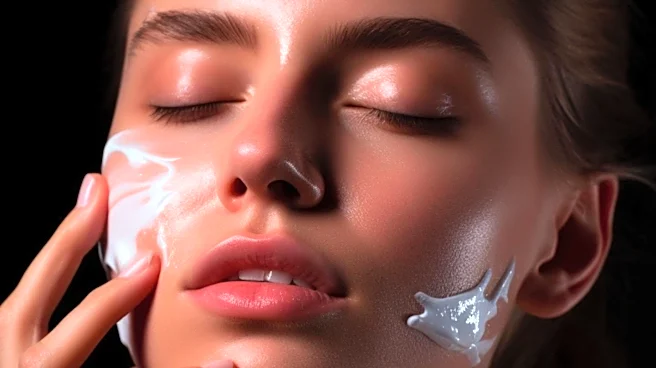
The skincare industry is undergoing a significant transformation, with experts predicting a move towards more streamlined, results-driven routines and a focus on skin regeneration for 2027. Cosmetic dermatologist Dr. Sam Bunting notes a growing weariness
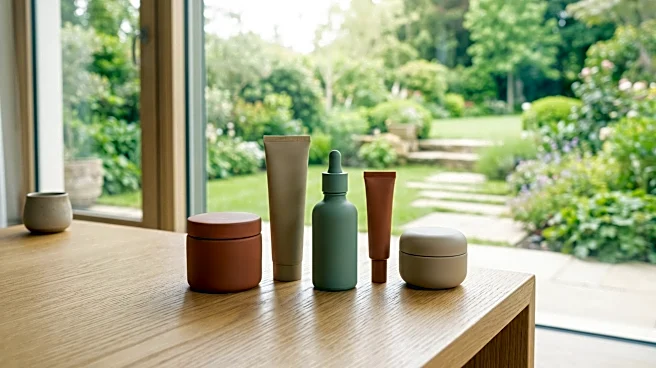
with multi-step routines, advocating for fewer, smarter products that are gentle and effective. This shift emphasizes multitasking formulas that combine several benefits, reducing product clutter and skin irritation. Additionally, the outdated concept of 'anti-aging' is being replaced by 'all-ages skincare,' which acknowledges how skin changes with hormones and adapts routines to individual needs rather than age-based categories. Dr. Jean-Louis Sebagh, a renowned cosmetic doctor, highlights a renewed focus on skin regeneration, where advanced formulas will act as 'messengers' using actives like topical exosomes and peptides to signal skin cells to repair themselves more efficiently. This approach aims to build skin health from within, rather than relying on temporary solutions.
Why It's Important?
This evolution in skincare trends holds significant implications for U.S. consumers and the beauty industry. For consumers, it promises more effective, less irritating routines that are tailored to their unique skin needs and hormonal changes, potentially leading to better long-term skin health. The move away from 'anti-aging' rhetoric fosters a more positive and inclusive view of aging, aligning with broader societal shifts towards body positivity and self-acceptance. For the beauty industry, this signals a demand for innovation in product formulation, emphasizing scientific backing and multifunctional ingredients. Brands that can deliver on these promises of streamlined, regenerative, and adaptive skincare will likely gain a competitive edge. It also suggests a potential decline in the popularity of overly complex routines, prompting brands to simplify their offerings and focus on core efficacy. This shift could also influence research and development, driving investment into ingredients and technologies that promote intrinsic skin repair and health.
What's Next?
Looking ahead, the skincare market is expected to see a surge in products designed for simplicity and efficacy. Brands will likely invest more in research and development for ingredients that promote skin regeneration, such as advanced peptides and ethically sourced exosomes, ensuring scientific validation for their claims. The 'all-ages skincare' movement will lead to more diverse product lines that cater to hormonal shifts and various life stages, moving beyond traditional age-demarcated categories. Consumers can anticipate a greater emphasis on education from brands, explaining how products work with the skin's natural processes rather than just masking symptoms. Furthermore, the decline of overly complex routines might lead to a consolidation of product offerings, with a focus on high-quality, multi-tasking essentials. This trend could also influence beauty retail, with a greater emphasis on personalized consultations and diagnostic tools to help consumers identify their specific skin needs and build tailored, minimalist routines.
Beyond the Headlines
The shift in skincare trends reflects deeper cultural and ethical considerations. The rejection of rigid 'anti-aging' narratives signifies a broader societal move towards embracing natural aging and promoting self-care that supports overall well-being rather than fighting an inevitable process. This aligns with a growing consumer desire for authenticity and transparency from brands, moving away from marketing that promotes unrealistic beauty standards. The emphasis on skin regeneration also highlights a more sustainable approach to beauty, focusing on long-term skin health rather than quick fixes. Ethically, this trend encourages responsible product development, prioritizing ingredients that work synergistically with the body's natural functions and minimizing potential irritation from excessive product use. This evolution could foster a more mindful consumption of beauty products, where consumers are empowered with knowledge and choose products that genuinely benefit their skin and align with their values, contributing to a more holistic and sustainable beauty landscape.