


What's Happening?
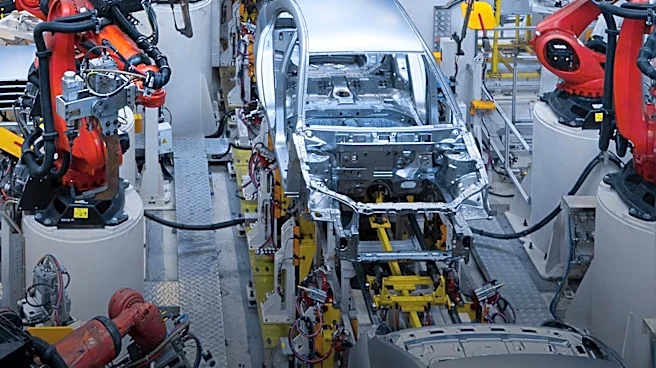
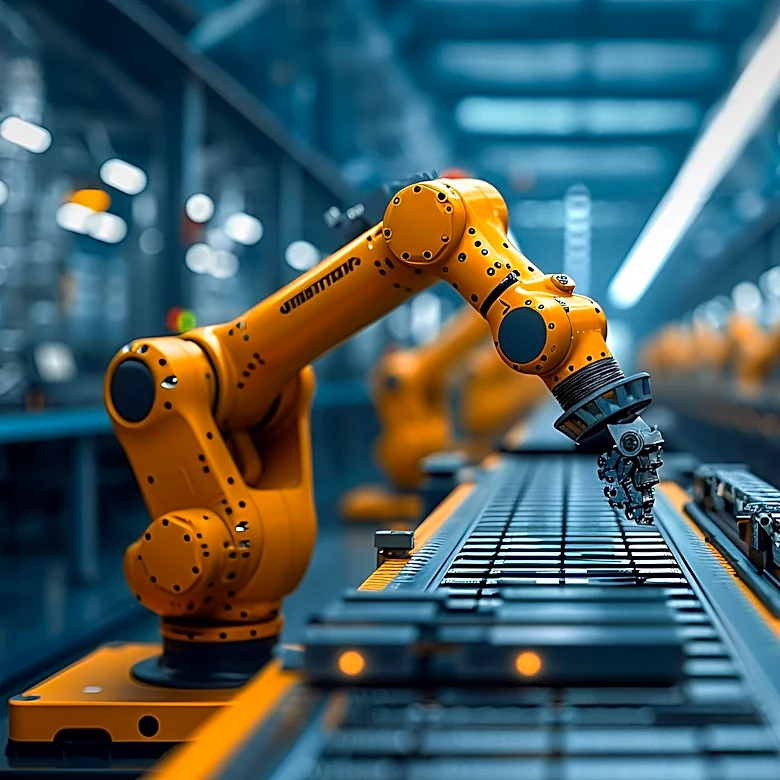
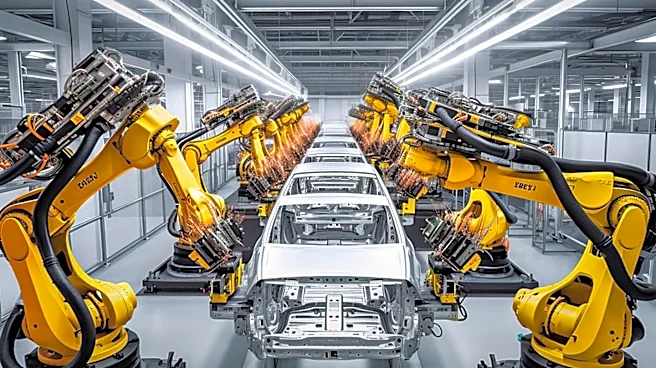
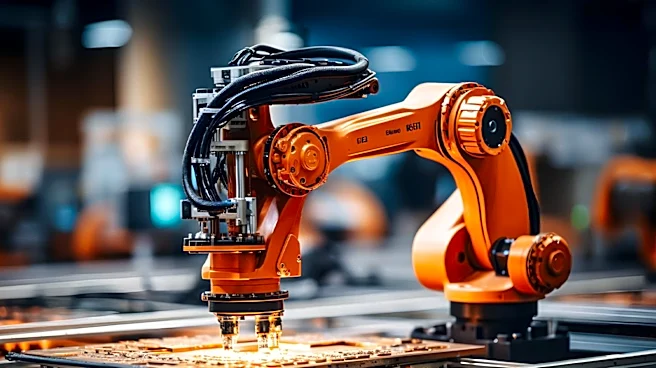
General Motors (GM) has announced plans to boost automation in its North American manufacturing plants by 20% by the year 2028. This strategic move is set to impact GM's supply chain, as the company will require its suppliers to demonstrate their own
automation capabilities as part of the bidding process for future contracts. This initiative by GM is part of a broader trend towards integrating artificial intelligence (AI) and advanced automation into industrial ecosystems to enhance operational efficiencies and support cross-site automation. Concurrently, Schneider Electric and AWS have partnered to streamline the integration of AI tools with plant control systems by reducing the number of required gateways, further facilitating the adoption of AI in manufacturing.
Why It's Important?
GM's commitment to a significant increase in automation signals a major shift in manufacturing practices within the automotive industry. This move is not only about internal efficiency gains for GM but also about setting a new standard for its extensive network of suppliers. Suppliers who fail to adapt and invest in their own automation capabilities risk losing out on lucrative contracts with a major automotive player. This creates a ripple effect across the supply chain, compelling businesses to prioritize automation strategies to remain competitive. The collaboration between Schneider Electric and AWS further underscores the importance of seamless AI integration, indicating that the future of manufacturing will rely heavily on optimized plant control systems and advanced AI solutions to drive productivity and reduce costs across various industries.
What's Next?
The automotive supply chain is expected to undergo significant changes as suppliers adapt to GM's new automation requirements. Companies vying for GM contracts will need to develop and showcase robust automation strategies, potentially leading to increased investment in robotics, AI-driven processes, and advanced manufacturing technologies across the sector. This could also spur innovation among technology providers offering automation solutions tailored for manufacturing. The partnership between Schneider Electric and AWS suggests a future where plant AI integration becomes more accessible and efficient, potentially accelerating the adoption of AI across other manufacturing industries. The overall trend points towards a more automated and interconnected industrial landscape, where operational efficiency and technological sophistication are key differentiators for businesses.
Beyond the Headlines
GM's push for increased automation, coupled with its demand for supplier automation capabilities, highlights a growing trend towards a more integrated and technologically advanced manufacturing ecosystem. This development could lead to a re-evaluation of labor roles within the manufacturing sector, potentially shifting the demand from manual labor to skilled technicians capable of managing and maintaining automated systems. Furthermore, the emphasis on automation and AI integration raises questions about data security and the resilience of interconnected industrial systems against cyber threats. The need for suppliers to demonstrate automation capabilities could also create a competitive advantage for larger, more technologically advanced firms, potentially consolidating the supply base. This transformation signifies a broader industrial revolution where AI and automation are not just tools but fundamental components of operational strategy, influencing everything from supply chain dynamics to workforce development.