



What's Happening?
Elon Musk's ambitious Terafab project is set to become the largest interior structure on Earth, surpassing the size of the Pentagon, Apple Park, and other major landmarks. The facility, with a projected floor space of 100 million square feet, will serve
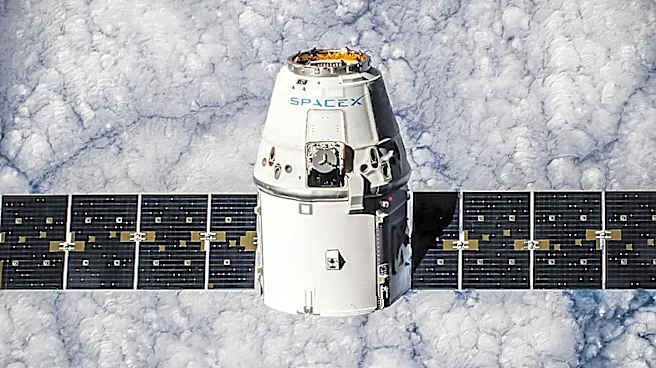
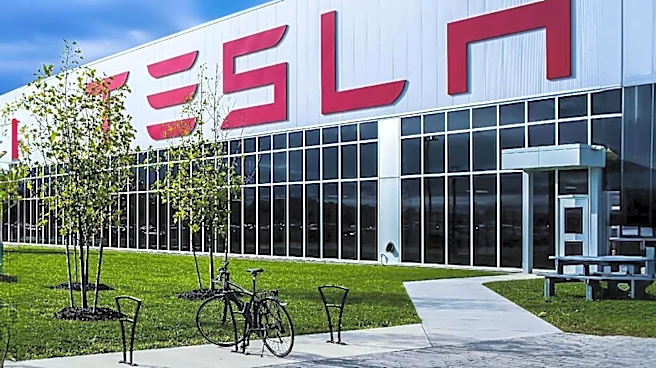
as an all-in-one chip manufacturing hub, producing logic and memory chips, and incorporating lithography, packaging, and testing. The project, announced in March 2026, aims to meet the growing demand for compute power from SpaceX and Tesla, requiring significant investment and resources.
Why It's Important?
The Terafab project represents a significant advancement in the semiconductor industry, potentially reshaping global chip manufacturing. By consolidating various production processes under one roof, the facility could streamline operations and reduce costs, enhancing the competitiveness of Musk's ventures. This development may also influence the broader tech industry, prompting other companies to consider similar large-scale projects. The success of Terafab could bolster the U.S. semiconductor sector, contributing to economic growth and technological innovation.
What's Next?
As construction progresses, the Terafab project will likely attract attention from industry stakeholders and investors. The facility's completion could lead to increased production capacity for SpaceX and Tesla, supporting their technological advancements. However, challenges such as securing sufficient investment and navigating regulatory hurdles may arise. The project's impact on the semiconductor market and its potential to drive innovation will be closely monitored by industry analysts and competitors.