

What's Happening?
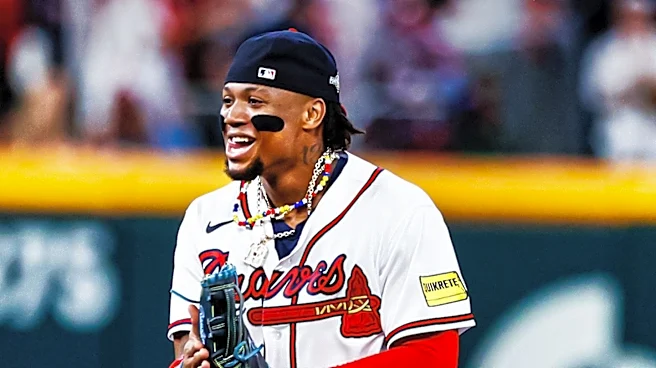
The Atlanta Braves baseball team is facing a lawsuit from a Florida lending company, 2412 Laguna Holdings LLC, concerning a $3.2 million loan taken out by their star player, Ronald Acuña Jr. The lawsuit, filed in the 11th Judicial Circuit Court of Miami,
alleges that Acuña Jr. failed to repay the loan by the July 16 deadline. According to the lender, Acuña Jr. secured the loan in 2025 by offering his payment rights under his Major League Baseball (MLB) contract, along with endorsement and licensing income, and commercial rights to his name, image, and likeness, as collateral. The lender claims that Acuña Jr. also signed a payroll authorization letter, which would have allowed the Braves to provide his payroll information and paystubs. The Atlanta Braves are included in the lawsuit because they allegedly continued to pay Acuña Jr. his salary directly, rather than remitting it to the lender, after being notified of the default. Acuña Jr., who made his MLB debut in 2018 and signed a contract worth at least $100 million in 2019, has won multiple awards, including the 2023 National League Most Valuable Player.
Why It's Important?
This lawsuit highlights the financial complexities and potential risks associated with high-value loans taken by professional athletes, even those with substantial contracts. For the Atlanta Braves, being named in the lawsuit, despite not being the direct borrower, could lead to reputational damage and legal costs. It also raises questions about the team's responsibilities and obligations when a player's financial agreements involve their contract and salary. For athletes, the case underscores the importance of managing personal finances and understanding the implications of using future earnings as collateral. The involvement of a sports agency, Rimas Sports, co-founded by musician Bad Bunny, which has previously had disputes with the MLB over improper loans, adds another layer of scrutiny to the financial dealings within professional sports. This situation could influence how lending institutions approach similar agreements with athletes in the future, potentially leading to stricter terms or increased due diligence, and may prompt sports organizations to review their policies regarding player financial disclosures and third-party loan agreements.
What's Next?
The lawsuit will proceed through the 11th Judicial Circuit Court of Miami. The lender, 2412 Laguna Holdings LLC, will seek to recover the outstanding debt, which totals $3.6 million with interest. The Atlanta Braves will likely need to respond to the allegations, potentially clarifying their role and responsibilities regarding Acuña Jr.'s contract and payments. Acuña Jr. will also be a key party in the legal proceedings, needing to address the claims of default. The outcome of this case could set precedents for how professional sports teams and leagues handle situations where players default on loans secured by their contracts. It may also lead to increased scrutiny from the MLB regarding the financial arrangements of its players and the agencies representing them. Depending on the court's decision, there could be implications for how future loans to athletes are structured and how teams are expected to interact with lenders when a player's salary is involved as collateral.
Beyond the Headlines
Beyond the immediate financial and legal ramifications, this case touches upon broader issues within professional sports, particularly the financial literacy and vulnerability of young, high-earning athletes. Despite substantial contracts, athletes can face significant financial challenges due to lavish spending, poor investment decisions, or predatory lending practices. The involvement of a sports agency with a history of disputes over loans further emphasizes the need for robust oversight and ethical guidelines within the athlete representation industry. This situation could prompt discussions within the MLB and other professional sports leagues about implementing more comprehensive financial education programs for players and stricter regulations for agents and lending institutions that engage with athletes. It also highlights the complex interplay between an athlete's personal financial obligations and their professional contracts, and how these can impact their team and the league as a whole. The case serves as a reminder that even highly successful athletes are not immune to financial difficulties and the legal challenges that can arise from them.