






What's Happening?
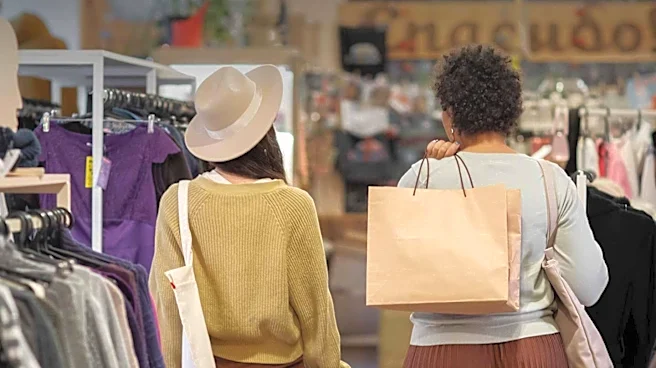
Thrifting experts and resellers are identifying specific high-demand items that consistently yield significant profits when resold. These items, which rarely stay on thrift store shelves, include original artwork, vintage Coach bags, limited-edition sneakers,
high-end seasonal décor, designer clothing and accessories, Scandinavian furniture and décor, Y2K nostalgia items, and luxury outerwear. According to PJ Gach, founder of The Grumpy Fashionista, and Dani Dudek, a thrifting expert, resellers are adept at recognizing brands and materials that sell quickly and at a substantial markup. Nora Curl, an appraisal expert with JustAnswer, also highlights certain collectibles within seasonal décor and luxury outerwear as 'sure winners.' The trend indicates a sophisticated approach to secondhand shopping, where specific knowledge of market demand drives purchasing decisions for resale.
Why It's Important?
This trend highlights a significant shift in consumer behavior and the growing importance of the resale market within the U.S. economy. The ability to identify and profit from specific thrift store finds creates entrepreneurial opportunities for individuals, contributing to a circular economy and potentially reducing waste. For consumers, it means that highly sought-after items, from designer goods to unique art, are becoming more accessible through secondary markets, often at a fraction of their original price. However, it also means that casual thrift store shoppers might find it harder to discover these 'gems' as resellers actively seek them out. The demand for vintage and limited-edition items, particularly in fashion and home décor, reflects evolving aesthetic preferences and a desire for unique, sustainable, or nostalgic products, influencing both retail and secondhand market strategies.
What's Next?
The continued growth of online resale platforms and social media trends, such as vintage Coach bags going viral on TikTok, will likely further fuel the demand for specific thrift store items. Resellers will continue to refine their strategies, focusing on emerging trends and consistent market demands. This could lead to increased competition among resellers and potentially higher prices for these items even in thrift stores, as store managers become more aware of their value. Consumers interested in thrifting for personal use may need to adapt their shopping habits, perhaps visiting stores more frequently or at specific times to find desirable items before resellers do. The market for secondhand goods is expected to expand, with a greater emphasis on quality, brand recognition, and unique finds.
Beyond the Headlines
The rise of professional thrifting and reselling touches upon broader societal and economic themes. It underscores a growing appreciation for sustainability and the environmental benefits of reusing and recycling goods, moving away from fast fashion and disposable consumerism. Ethically, it raises questions about access to affordable goods for lower-income individuals, as high-value items are increasingly siphoned off for profit. Culturally, the phenomenon reflects a nostalgia for past eras, particularly the Y2K aesthetic, and a desire for authenticity and individuality that mass-produced items often lack. This shift also challenges traditional retail models, demonstrating the power of niche markets and the entrepreneurial spirit in leveraging digital platforms for commerce. The 'treasure hunt' aspect of thrifting, combined with the potential for significant financial gain, transforms a casual pastime into a viable business model.