





What's Happening?
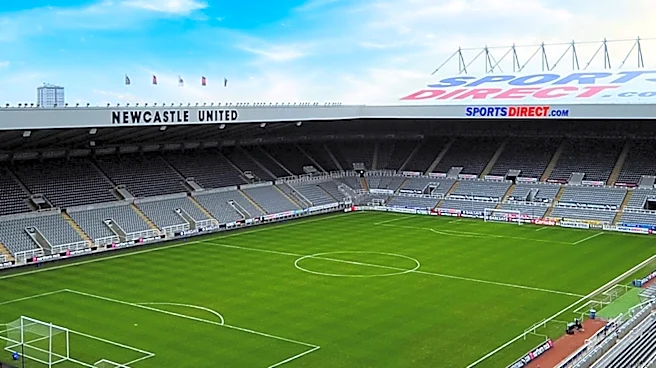
Newcastle United's ownership, including representatives from the Public Investment Fund (PIF) like Yasir Al-Rumayyan and club director Jacobo Solis, along with Jamie Reuben, are facing questions regarding the team's performance despite significant infrastructure
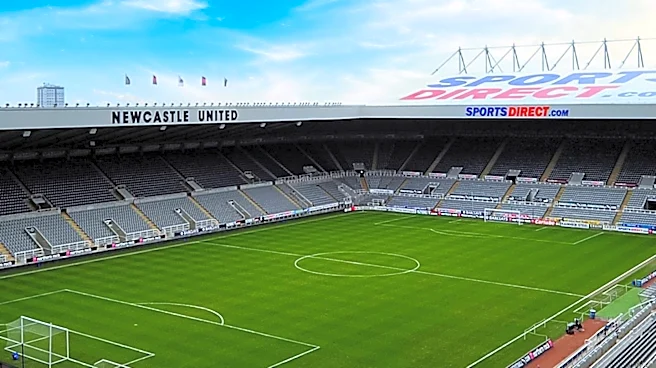
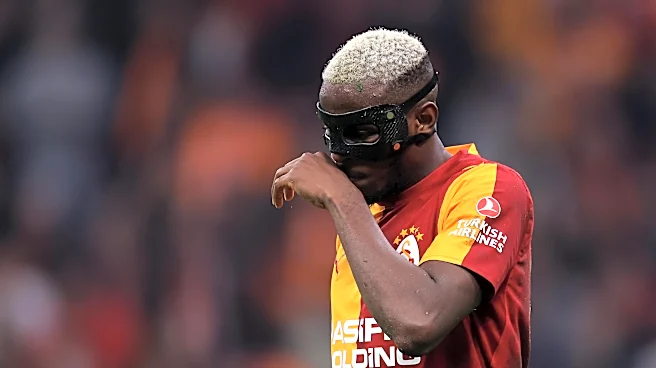
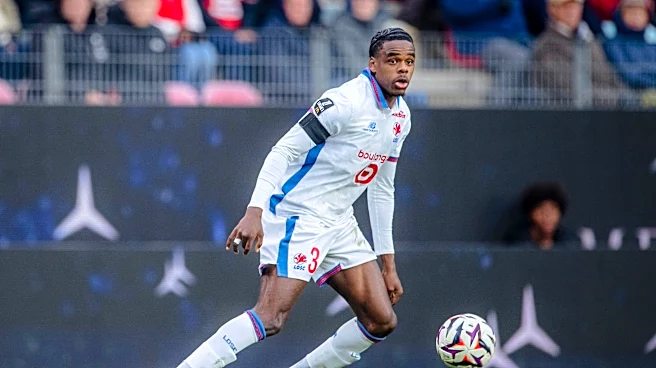
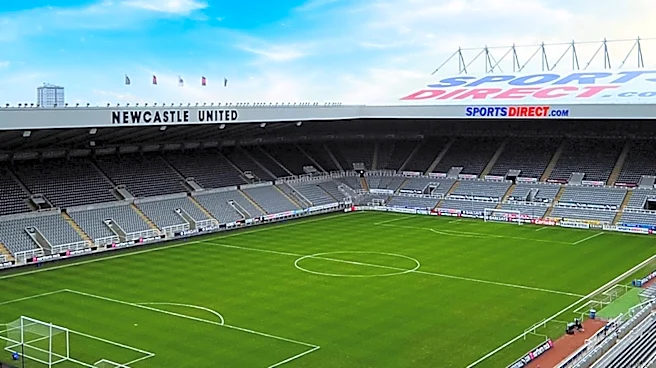
investments. Goldman Sachs representatives have also reportedly met with club officials. The club's executive team recently provided updates on substantial investments in a new training academy and a new stadium. While the new training ground is reportedly on schedule and aims to be among the best globally, the team's on-field results and the performance of recent summer recruits have been underwhelming. Several new signings have made minimal impact, leading to concerns about the overall improvement of individual players and team cohesion. This situation has prompted observers to question the ownership's assessment of the team's current state and future direction, especially given the financial outlay on players who are not consistently performing.
Why It's Important?
This situation is important as it highlights the complexities of sports ownership, particularly when significant foreign investment is involved. The scrutiny on Yasir Al-Rumayyan and Jamie Reuben reflects the high expectations that come with substantial financial backing and ambitious infrastructure projects. For Newcastle United, the disconnect between off-field investment and on-field performance can impact fan morale, commercial appeal, and the club's long-term strategic goals. The involvement of entities like Goldman Sachs suggests a sophisticated financial strategy behind the club's operations, making the performance aspect even more critical for demonstrating a return on investment. The club's ability to translate financial power into sporting success is crucial for its standing in the league and its global brand, affecting stakeholders from fans to investors.
What's Next?
The immediate future will likely involve continued monitoring of the team's performance and the progress of the infrastructure projects. The club's executive team will need to address the concerns regarding player recruitment and development, potentially through strategic changes in management or scouting. Further updates on the new training ground designs and the new stadium project are anticipated, which could either reassure or further question the ownership's vision. Stakeholders, including fans and financial partners, will be looking for tangible improvements on the pitch to justify the substantial investments. The ongoing assessment of player performance and the effectiveness of coaching staff will be critical in determining the next steps for the club's sporting direction.
Beyond the Headlines
Beyond the immediate concerns, this situation touches upon broader themes of modern football ownership, where financial power from sovereign wealth funds and wealthy individuals increasingly shapes club trajectories. The challenge lies in balancing ambitious financial investments in infrastructure and player transfers with the organic development of a cohesive and successful team. It also raises questions about accountability in sports management when ownership is diverse and includes international entities. The long-term implications could include a re-evaluation of recruitment strategies, a greater emphasis on youth development, or even changes in leadership if on-field results do not align with the significant capital injected. The ethical dimension of such large-scale investments in sports, particularly from sovereign wealth funds, also remains a background consideration for many observers.