







What's Happening?
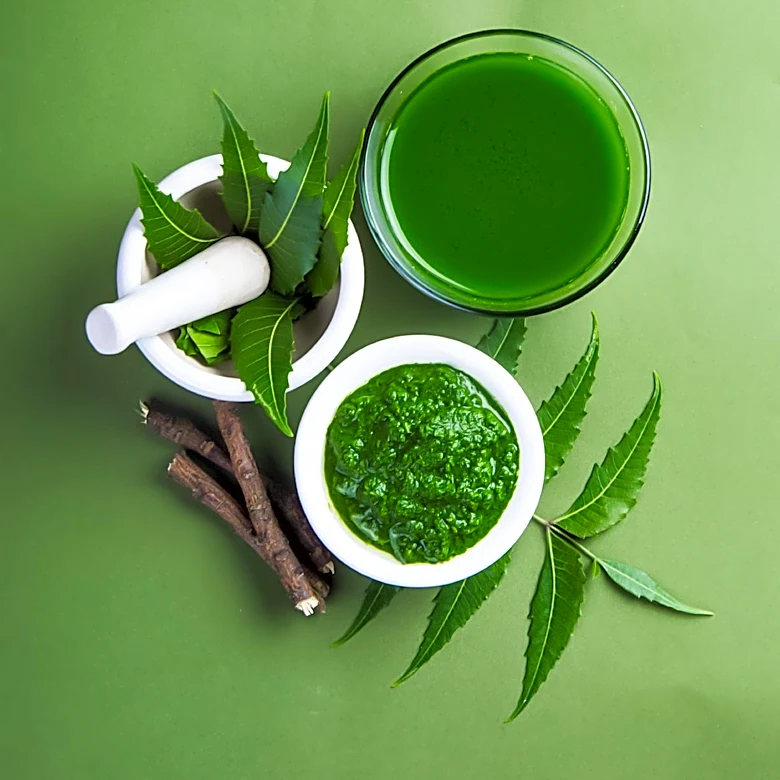
Papaya leaf boiled water, also known as papaya leaf tea or infusion, is a traditional herbal drink made by simmering fresh or dried papaya leaves in water. This preparation method extracts water-soluble compounds like flavonoids and phenolic compounds,
which are plant-based antioxidants. However, heat can degrade enzymes like papain and heat-sensitive vitamins such as Vitamin C and some B vitamins, meaning boiled water contains less active forms compared to raw preparations. Traditionally, this drink is valued for supporting overall vitality, especially during seasonal changes or periods of fatigue, with anecdotal accounts suggesting refreshed energy and digestive support. Early scientific research has primarily focused on isolated extracts and specific compounds in controlled environments, exploring the antioxidant potential of aqueous papaya leaf extracts. However, large-scale clinical trials on humans consuming papaya leaf boiled water are limited, making it crucial to interpret findings cautiously and distinguish between traditional knowledge, anecdotal experiences, and preliminary scientific evidence.
Why It's Important?
The growing interest in papaya leaf boiled water in the U.S. reflects a broader trend towards natural remedies and traditional wellness practices. This movement impacts the health and wellness industry by increasing demand for herbal products and prompting consumers to seek out natural alternatives for health support. For consumers, understanding the distinction between traditional uses, anecdotal evidence, and scientific research is crucial for making informed health decisions. The limited clinical trials highlight a gap in scientific understanding of whole-leaf boiled preparations, which could lead to misinformed usage or unrealistic expectations. This situation also presents opportunities for further research into the efficacy and safety of traditional herbal remedies, potentially bridging the gap between ancient practices and modern medicine. The market for papaya leaf products, including teas, extracts, and capsules, is likely to expand as awareness grows, influencing product development and consumer choices in the natural health sector.
What's Next?
As interest in papaya leaf boiled water continues, there will likely be an increased demand for both raw papaya leaves and commercially prepared papaya leaf products in the U.S. This could lead to more diverse product offerings, including organic teas, liquid extracts, and capsules, catering to different consumer preferences for convenience and dosage. Further scientific research, particularly controlled human trials on the effects of boiled papaya leaf preparations, would be beneficial to validate traditional claims and establish evidence-based guidelines for its use. Health professionals may begin to offer more nuanced advice on herbal remedies, integrating traditional knowledge with scientific understanding. Consumers are encouraged to approach such remedies with mindfulness, starting with small amounts, observing their body's response, and consulting healthcare professionals, especially for pregnant or lactating individuals, children, or those with known allergies.
Beyond the Headlines
The exploration of papaya leaf boiled water goes beyond simple health benefits; it touches upon the intersection of cultural heritage, traditional medicine, and modern scientific inquiry. This phenomenon highlights a global trend where ancient practices are being re-evaluated through a contemporary lens, often driven by a desire for more holistic and natural approaches to health. It also raises questions about the commercialization of traditional remedies and the importance of sustainable sourcing and ethical production of herbal ingredients. The cautious approach advocated—balancing tradition with scientific discernment—underscores a critical need for media literacy and critical thinking in health-related information. This ongoing dialogue between tradition and science can enrich our understanding of wellness, fostering a more integrated approach to health that respects diverse knowledge systems while upholding scientific rigor.