

What's Happening?
The Labubu doll, a fanged collectible character, has seen a significant rise and subsequent slowdown in its market trend. Initially gaining global popularity through distinctive design, celebrity visibility, and the 'blind-box' purchasing model, the doll became
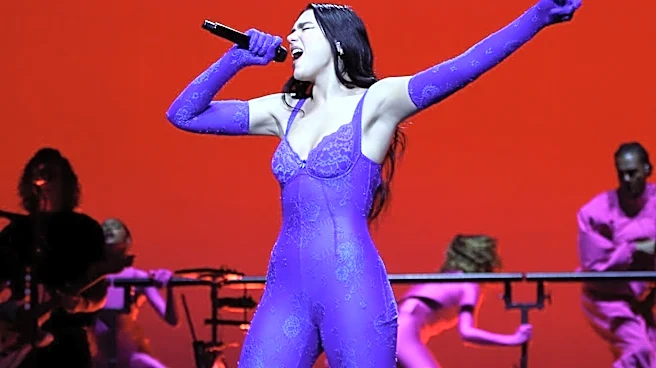
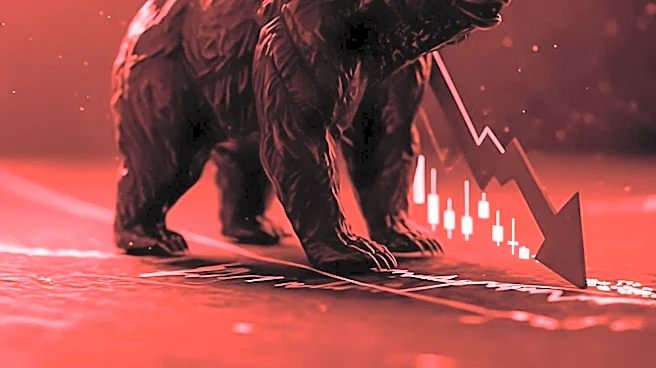
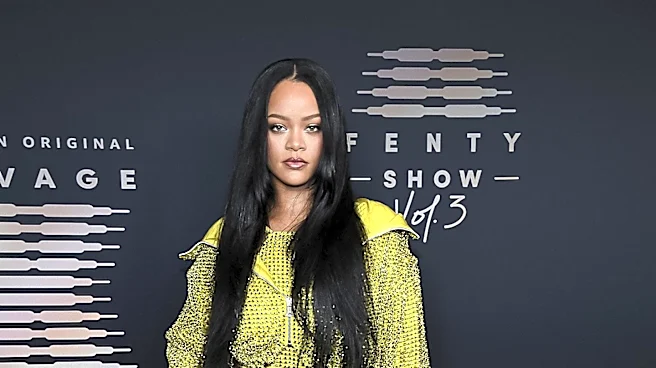
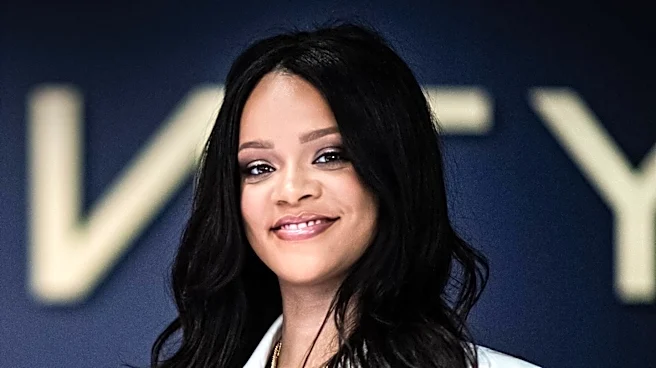
a coveted accessory. Celebrities like Rihanna, Lisa, and Dua Lipa were seen with the dolls, contributing to their high visibility. However, as availability increased and resale prices began to weaken, the intense frenzy surrounding the collectible started to cool. Despite this, the character, created by Hong Kong-born artist Kasing Lung in 2015 and distributed by Pop Mart since 2019, has achieved broad recognition beyond its original collecting community, expanding its commercial possibilities beyond just toy sales. The 'blind box' method, where customers purchase a concealed design without knowing the specific variation, initially fueled anticipation and engagement, encouraging unboxing videos and collection building.
Why It's Important?
The trajectory of the Labubu doll offers significant insights for retail marketers and intellectual property (IP) holders. Its initial success demonstrates the power of combining unique design, celebrity endorsement, and interactive purchasing experiences like blind boxes to create a viral trend. The subsequent cooling of the market, marked by weakened resale prices, highlights the challenges of sustaining demand when scarcity diminishes. For businesses, this case study underscores the importance of understanding the difference between a temporary buying frenzy and long-term commercial relevance. While the immediate hype may fade, the character's established recognition can still lead to broader commercial opportunities, such as product collaborations and entertainment adaptations. The shift from a high-demand, low-supply market to one with greater availability impacts speculative buyers and collectors differently, necessitating a nuanced approach to market analysis.
What's Next?
For Labubu, the focus is likely to shift from maintaining a frenzied demand to leveraging its established character recognition for sustained commercial relevance. Pop Mart, the distributor, has already expanded the market for the intellectual property, with the character family 'The Monsters' generating significant revenue. Sony Pictures has acquired screen rights for Labubu, with a feature film reportedly in early development as of November 2025. This move suggests a strategy to transition the character from a collectible toy phenomenon to a broader entertainment franchise, similar to how other IPs are developed. The challenge will be to convert this recognition into repeated engagement beyond collecting, potentially through new formats, thoughtful collaborations, and character-driven stories that offer value beyond the initial surprise of a blind box purchase.
Beyond the Headlines
The Labubu phenomenon delves into the deeper implications of consumer psychology in the age of social media and collectible markets. The 'blind box' model, while a commercial success, also taps into human desires for surprise, anticipation, and the thrill of the chase, which can be powerful drivers of consumer behavior. The rapid rise and gradual decline of the trend also highlight the ephemeral nature of internet-driven fads and the difficulty of maintaining artificial scarcity in a globalized market. Furthermore, the commercial success of an artist-created character like Labubu, even without a major screen adaptation initially, demonstrates the potential for merchandise to build an audience and establish IP recognition. This case study prompts reflection on how brands can cultivate lasting engagement and value beyond fleeting trends, emphasizing the need for distinctive features, public usability, rewarding participation, and continuous innovation.