


What's Happening?
Milan Fashion Week has released its schedule for the 2027 Fall/Winter season. Menswear collections are slated to debut from January 15-19, 2027, featuring prominent brands such as Prada and Giorgio Armani. Following the menswear presentations, womenswear
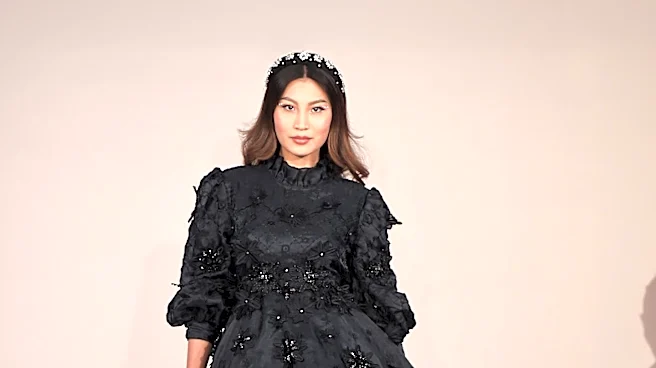
runway shows will take place from February 23 through March 1, 2027. These events are sponsored by the Camera Nazionale della Moda Italiana, also known as the National Chamber of Italian Fashion, and aim to showcase the 'Made in Italy' ethos by highlighting artistic and provocative designs. Milan Fashion Week is recognized for its cutting-edge approach, often presenting creations that make strong statements and elevate high fashion to an art form. The event attracts a significant number of celebrities and fashion enthusiasts, distinguishing itself from other fashion capitals by its unique blend of tradition and innovation.
Why It's Important?
The announcement of Milan Fashion Week's 2027 dates is significant for the global fashion industry, particularly for U.S. designers, buyers, and fashion media. Milan is a key trendsetter, and the collections presented there often influence fashion trends and consumer purchasing decisions in the U.S. market. For American retailers, understanding these upcoming trends is crucial for inventory planning and marketing strategies. The event also serves as a platform for international networking and collaboration, potentially leading to partnerships that benefit U.S. fashion businesses. The 'Made in Italy' brand, celebrated at Milan Fashion Week, continues to hold considerable prestige, impacting consumer perceptions and demand for high-quality, designer goods in the United States. The influx of influencers and celebrities at Milan Fashion Week also generates substantial media coverage, further shaping fashion discourse and consumer aspirations in the U.S.
What's Next?
As the 2027 Milan Fashion Week approaches, the focus will shift to the specific designers and collections that will be featured. Industry professionals, including U.S. buyers and fashion journalists, will begin to anticipate the emerging trends and key pieces that will define the upcoming seasons. Preparations for attending the event, including securing VIP tickets and planning logistics, will intensify for those looking to experience the shows firsthand. Following the presentations, there will be extensive media coverage and analysis of the collections, which will inform fashion forecasts and influence design directions globally, including in the U.S. market. The success of these collections will also be closely watched as an indicator of the broader health and direction of the luxury fashion sector.
Beyond the Headlines
Beyond the immediate commercial implications, Milan Fashion Week plays a crucial role in the cultural exchange between Italy and the U.S. It highlights the enduring influence of Italian craftsmanship and design on American fashion sensibilities. The event also reflects broader shifts in the fashion industry, such as the increasing emphasis on artistic expression and social commentary through design. For U.S. consumers, the trends emerging from Milan can inspire personal style and contribute to a more diverse and sophisticated fashion landscape. The event's ability to attract A-list celebrities and influencers also underscores the growing convergence of fashion, entertainment, and digital media, shaping how trends are disseminated and consumed in the U.S. and worldwide.