





What's Happening?
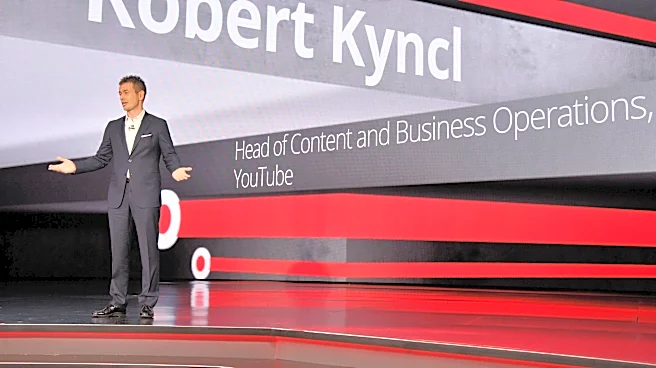
Robert Kyncl, CEO of Warner Music Group, is slated to deliver the music industry's inaugural keynote address at CES 2027. This event is part of a broader transformation in Las Vegas, which is increasingly repositioning itself from a leisure destination
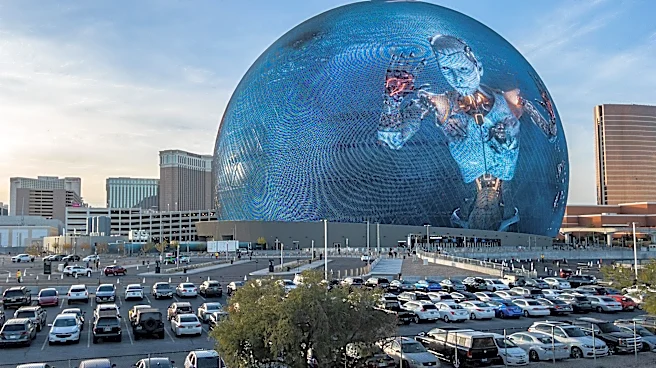
to a business and technology hub. While airport passenger traffic in Las Vegas saw a 7.05% decline from January through October, convention attendance rose by 9.6% during the same period. This shift is also reflected in the growth of immersive entertainment venues, with Sphere Entertainment reporting a 14.2% increase in third-quarter revenue. CES 2027 itself is expected to draw a significant number of attendees, with registration metrics reportedly ahead of previous years. The entertainment program at CES 2027 will focus on artificial intelligence, fandom, and advertising data, highlighting the evolving landscape of the entertainment and technology sectors. Live entertainment revenue has nearly doubled since 2021, reaching $149 billion, underscoring the industry's robust growth.
Why It's Important?
This development signifies a crucial moment for both the music industry and the city of Las Vegas. Kyncl's keynote at CES underscores the growing intersection of music, technology, and business, indicating that technological innovation, particularly AI, will play a pivotal role in the future of music consumption and creation. For Las Vegas, the shift from a tourism-centric economy to a business platform, driven by conventions and tech events like CES, has significant economic implications. It suggests a more diversified and potentially stable economic future, less reliant on transient leisure travelers. The increased focus on business platforms also creates new opportunities for technology companies and content creators to showcase their innovations and forge partnerships. The success of immersive venues like Sphere, which leverages AI to revitalize existing intellectual property, demonstrates a viable model for monetizing content in new ways, influencing how entertainment assets are valued and distributed in the U.S. market.
What's Next?
Following Kyncl's keynote, the music and entertainment industries are likely to see increased discussions and investments in AI-driven technologies and immersive experiences. The focus on AI, fandom, and advertising data at CES 2027 suggests that these areas will be key drivers of innovation and business models in the coming years. Las Vegas will continue its trajectory as a business platform, with ongoing efforts to attract more conventions, trade shows, and tech companies. This could lead to further infrastructure development tailored to business travelers and technology showcases. The success of events like CES 2027 will likely encourage other industries to consider Las Vegas as a prime location for their major conferences. Additionally, the trend of revitalizing older intellectual property through AI, as seen with 'The Wizard of Oz at Sphere,' may prompt other content owners to explore similar strategies, potentially leading to a wave of AI-enhanced re-releases and new immersive entertainment offerings.
Beyond the Headlines
The transformation of Las Vegas into a business platform, highlighted by events like CES and Kyncl's keynote, reflects a broader economic and cultural shift in the U.S. It signifies a move towards experiential economies and the increasing integration of technology into all facets of entertainment and commerce. The emphasis on AI in entertainment raises ethical and legal questions regarding intellectual property rights, creator compensation, and the authenticity of content. As AI becomes more sophisticated in generating and enhancing content, the value of original IP and unique live experiences becomes even more pronounced. This shift also points to a future where cities may need to adapt their economic strategies to remain competitive, moving beyond traditional industries to embrace technology and innovation. The success of immersive venues also suggests a growing consumer demand for unique, high-quality experiences that cannot be replicated at home, driving investment into advanced display technologies and interactive content.