





What's Happening?
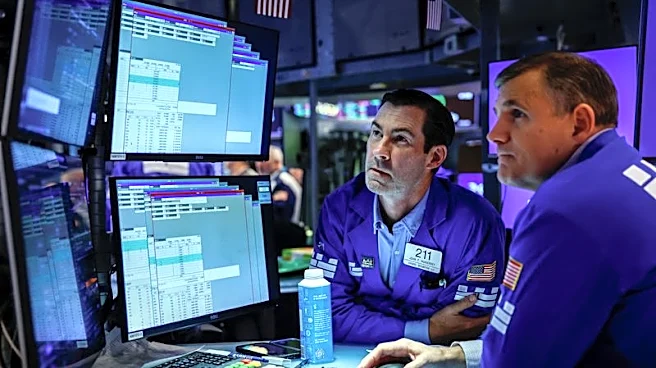
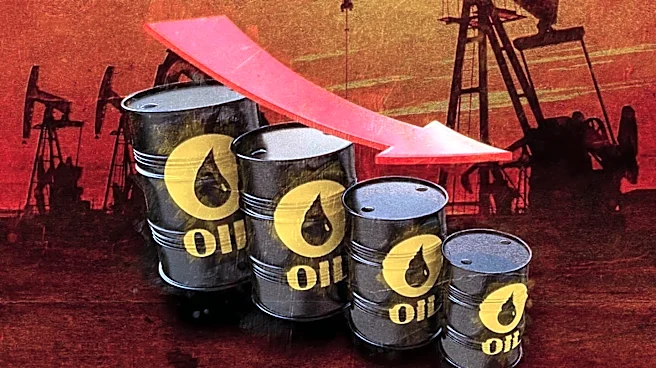
ConocoPhillips (NYSE:COP), a major independent oil and gas producer, is currently navigating significant crude price fluctuations and an executive leadership transition. The company's stock performance has shown a direct correlation with oil prices, experiencing
declines when crude weakens and stabilizing with firmer prices. This sensitivity is attributed to ConocoPhillips's primary focus on upstream production, making its fortunes closely tied to commodity values. A notable change in leadership has occurred, with a long-serving chief moving to an executive chair role and a new chief executive, along with an internal financial elevation, stepping up from within the company's ranks. This internal promotion signals a desire for continuity in strategy while ushering in a new era of leadership. The company's business model emphasizes finding and extracting hydrocarbons, distinguishing it from fully integrated majors that also operate refining and chemical networks. ConocoPhillips maintains a diverse global portfolio, including shale acreage in the American Lower Forty-Eight, Alaskan fields, Canadian operations, and international ventures, providing balance against localized setbacks.
Why It's Important?
The executive transition at ConocoPhillips is significant as it signals a strategic direction focused on internal talent and continuity, which can influence investor confidence and long-term operational stability. For the U.S. energy sector, ConocoPhillips's performance serves as a key indicator of the health of the American upstream sector due to its pure exposure to oil and gas production. Its substantial presence in the Permian Basin highlights the ongoing importance of shale production in the U.S. energy landscape, offering flexibility to adjust activity based on market signals. The company's balanced portfolio, combining short-cycle shale with long-cycle Alaskan projects and liquefied natural gas exposure, demonstrates a strategy to mitigate risks and ensure sustained production across varying market conditions. This approach is crucial for maintaining energy supply and stability within the U.S. and globally, impacting energy prices and the broader economy. The company's movements also influence major market gauges like the S&P 500, reflecting its weight within the energy sector.
What's Next?
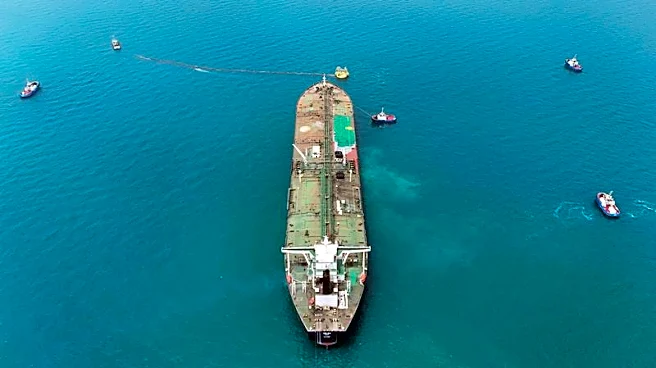
ConocoPhillips is expected to continue adapting its production strategies in response to global crude price movements and geopolitical factors, such as shipping concerns and diplomatic efforts between Washington and Tehran. The new leadership team will likely focus on maintaining the company's established course while potentially introducing fresh perspectives to optimize its diverse global portfolio. Investors and market analysts will closely monitor the company's performance, particularly its ability to leverage its shale assets for short-term flexibility and its long-cycle projects for sustained output. The company's exposure to liquefied natural gas suggests a continued focus on this growing segment of the global energy mix. Future developments will also be influenced by the broader energy sector's trajectory, with peers like Exxon Mobil, Chevron, and Occidental Petroleum experiencing similar crude-driven currents. The market will be watching for signals regarding how the new leadership will navigate these complex dynamics.
Beyond the Headlines
The internal executive transition at ConocoPhillips underscores a broader trend in corporate leadership, where companies prioritize continuity and institutional knowledge by promoting from within. This approach can foster stability and reinforce existing strategic frameworks, potentially reducing the risks associated with external hires. The company's deep reliance on crude price fluctuations highlights the inherent volatility and geopolitical sensitivities within the oil and gas industry, emphasizing the need for robust risk management and diversified asset portfolios. The balance between short-cycle shale production and long-cycle Alaskan projects reflects a strategic imperative to manage both immediate market demands and long-term energy security. This dual approach has implications for environmental considerations, as both types of projects carry distinct ecological footprints and regulatory challenges. Furthermore, ConocoPhillips's role as a significant independent producer means its operational decisions and financial health have ripple effects across the U.S. energy supply chain, impacting employment, local economies, and national energy policy discussions.