


What's Happening?
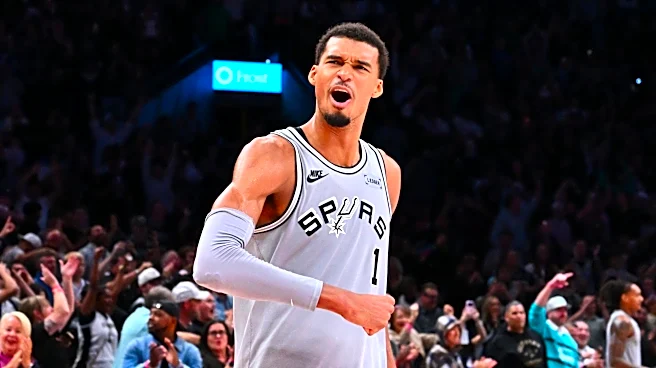
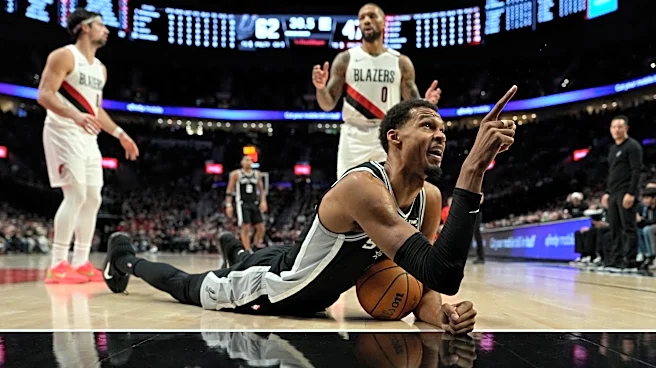
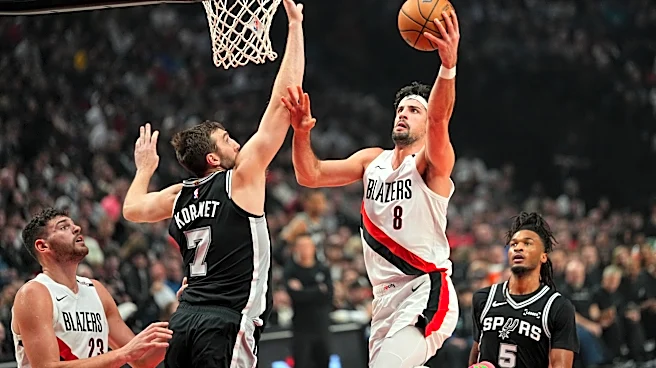
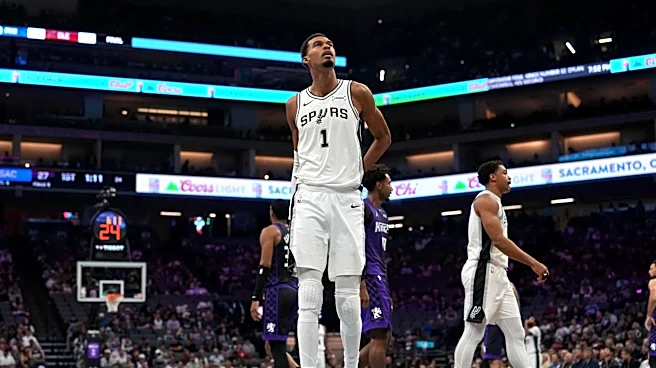
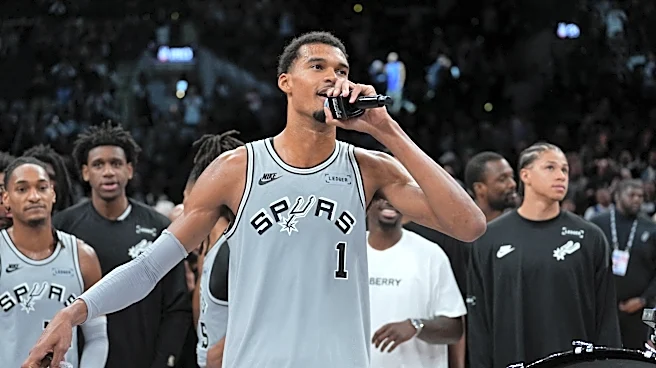
Portland Trail Blazers announcers have openly criticized San Antonio Spurs star Victor Wembanyama for what they perceive as frequent flopping and benefiting from questionable foul calls. During a game where the Spurs defeated the Trail Blazers 125-103,
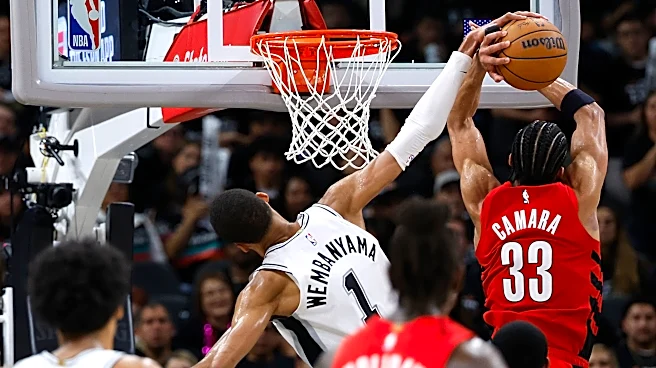
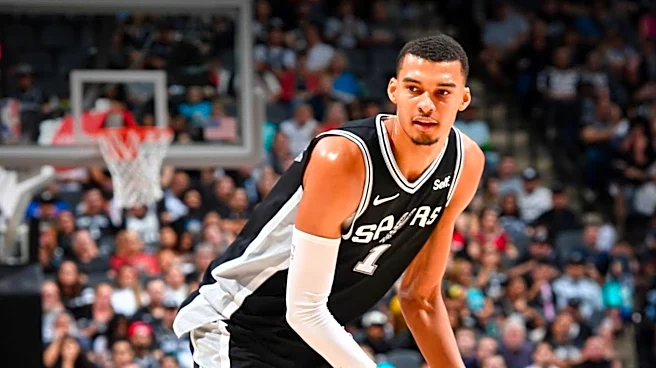
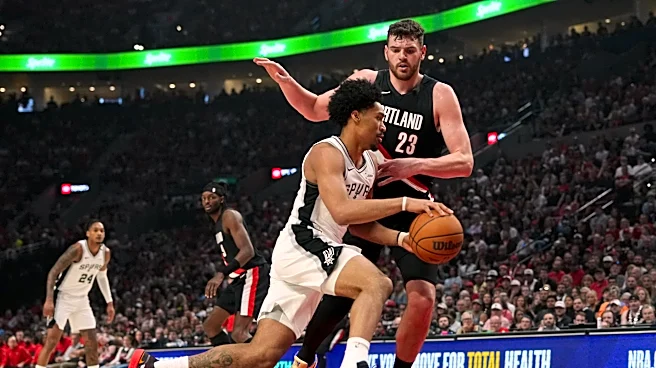
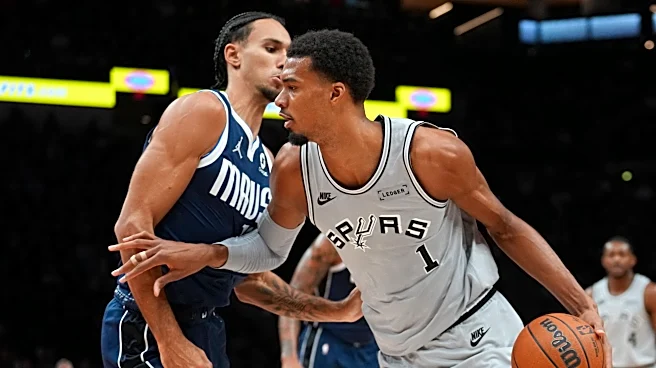
the announcers expressed frustration over several instances where Wembanyama drew fouls with what appeared to be minimal contact. One specific play involved Wembanyama securing an offensive rebound and then falling after slight contact from Deni Avdija, resulting in a loose-ball foul. This call drew boos from the Moda Center crowd and strong disapproval from the broadcast team, who stated, 'That guy spends more time on the floor than anybody I’ve ever seen. You’ve got to be kidding me.' Wembanyama scored all eight of his second-quarter points from the free-throw line, further fueling the announcers' concerns. This incident follows previous criticisms, including one after his historic 52-point, 24-rebound, 8-block game against the Dallas Mavericks, where he attempted 23 free throws, nearly matching the Mavericks' team total. Rival coach Dusty May also subtly criticized the officiating in that game.
Why It's Important?
The accusations from the Portland Trail Blazers announcers highlight a growing concern within the NBA regarding officiating consistency and the perception of certain players receiving preferential treatment. This debate impacts the integrity of the game, as fans and rival teams question the fairness of calls, potentially leading to a loss of trust in officiating. For Victor Wembanyama, these criticisms, whether justified or not, can affect his public image and how he is perceived by opponents and fans. The discussion around 'flopping' and 'foul-baiting' is a recurring issue in basketball, as players seek to gain advantages within the rules, and officials must make split-second judgments. The controversy also puts pressure on the NBA to address these concerns, potentially leading to stricter enforcement of anti-flopping rules or clearer guidelines for officials. The size and unique playing style of Wembanyama, at 7-foot-4, further complicate these judgments, as contact that might be minor for other players could have a different impact on him.
What's Next?
The ongoing debate surrounding Victor Wembanyama's foul calls is unlikely to subside soon. As he continues his career, opposing teams and broadcasters will likely scrutinize his every move, particularly when he draws contact and earns free throws. This increased attention could lead to several outcomes: officials might become more cautious in calling fouls for Wembanyama, or conversely, the NBA might issue clarifications or directives to referees regarding how to officiate contact involving players of his unique stature. Wembanyama himself might adjust his playing style to minimize the perception of flopping, or he might continue to play aggressively within the rules as he understands them. The league may also face pressure to review and potentially refine its rules on flopping and foul baiting to ensure consistency and maintain the integrity of the game. The discussion will likely continue to be a talking point in post-game analyses and fan discussions.
Beyond the Headlines
Beyond the immediate game-time controversies, the debate over Victor Wembanyama's foul calls touches on broader themes of sportsmanship, competitive strategy, and the subjective nature of officiating. The term 'abusing an NBA loophole' suggests a strategic exploitation of rules, which, while technically within bounds, can be seen as undermining the spirit of fair play. This raises ethical questions about how far players should go to gain an advantage. Furthermore, the public outcry from announcers and fans reflects a desire for transparency and accountability in officiating, highlighting the emotional investment stakeholders have in the game's fairness. The challenge for the NBA lies in balancing the need for consistent rule enforcement with the dynamic and often ambiguous nature of on-court action, especially when dealing with generational talents whose physical attributes can make standard contact appear more impactful. This ongoing dialogue shapes the narrative around emerging stars and influences how the game is perceived by its audience.