




What's Happening?
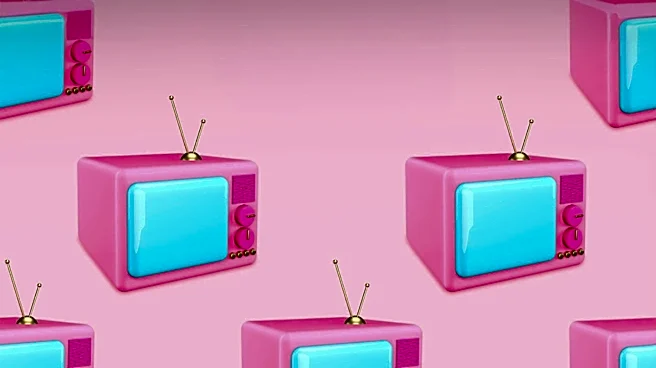
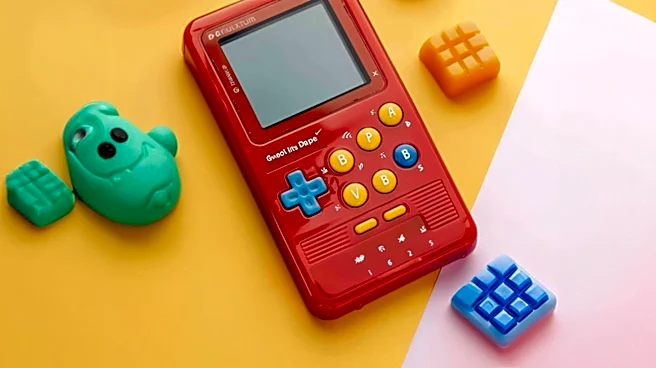
The Y2K aesthetic, characterized by the visual culture of the late 1990s and early 2000s, has seen a significant revival since 2021. This trend is marked by shiny surfaces, bold colors, chunky electronics, and an optimistic view of technology. The resurgence
is evident across fashion, music, and interior design, particularly amplified by social media platforms like Pinterest and TikTok. A key aspect of this revival is the popularity of cute tech decor items, such as game console and mobile phone plushies. These items celebrate the distinctive, friendly design language of early consumer electronics, fitting seamlessly into the maximalist, nostalgia-filled spaces that creators are building online, often incorporating LED strips and retro-styled gadgets. The 'kawaii' culture, originating in Japan and meaning 'cute' or 'lovable,' has merged with this Y2K and 90s revival, making plush toys and pastel-colored room decor a massive visual trend among Gen Z and millennials.
Why It's Important?
This cultural phenomenon highlights the powerful influence of nostalgia and social media on consumer trends and market demands in the U.S. The Y2K revival, particularly its intersection with 'kawaii' aesthetics, demonstrates how past cultural elements can be reinterpreted and popularized by new generations through digital platforms. For businesses, this trend creates significant opportunities in various sectors, including fashion, home decor, and collectibles. Companies producing retro-inspired merchandise, especially plush toys and tech-themed decor, stand to gain from this sustained interest. The emphasis on 'maximalist' and 'nostalgia-filled' spaces also influences interior design and retail strategies, pushing for products that evoke a sense of comfort and playfulness. This trend also underscores the economic power of Gen Z and millennials as key consumers driving aesthetic movements and purchasing decisions.
What's Next?
The Y2K and 'kawaii' aesthetic is expected to continue its strong presence, evolving as creators on platforms like TikTok and Pinterest introduce new interpretations and combinations. We may see further integration of this aesthetic into mainstream product lines, from clothing and accessories to home goods and digital content. The demand for unique, retro-inspired items, particularly those that blend technology with cuteness, is likely to grow. Businesses will continue to adapt their marketing and product development to cater to this trend, potentially leading to more collaborations between brands and social media influencers to capture the attention of these demographic groups. The longevity of this trend will depend on its ability to adapt and incorporate new elements while retaining its core nostalgic appeal.
Beyond the Headlines
The Y2K revival and the 'kawaii' aesthetic reflect a broader cultural yearning for simpler, more optimistic times, especially among younger generations who did not experience the original era firsthand. This trend can be seen as a form of escapism, offering a playful and less complex visual world compared to contemporary anxieties. It also highlights the cyclical nature of fashion and design, where elements from previous decades are continuously re-evaluated and brought back into vogue. The emphasis on 'cute' and 'lovable' objects may also speak to a desire for comfort and emotional connection in an increasingly digital and sometimes isolating world. This cultural shift influences not just consumer goods but also how individuals curate their personal spaces and online identities, fostering communities around shared aesthetic values.