





What's Happening?
Aviation Capital Group LLC (ACG) has finalized an order with Airbus for 75 A320neo Family aircraft, marking the largest order in ACG's nearly 40-year history. These aircraft are scheduled for delivery between 2032 and 2035. The agreement includes conversion
rights to other variants within the A320neo Family, providing ACG with operational flexibility for its future fleet. As of June 30, 2026, ACG's fleet includes 118 A320neo Family aircraft, and this new order increases its outstanding orders for the A320neo Family to 115 aircraft. Thomas Baker, Chief Executive Officer and President of ACG, stated that this investment reflects confidence in the long-term future of air travel and ACG's role in connecting airlines with aircraft and capital. Rob Downes, Chief OEM Officer of ACG, noted that the A320neo Family remains highly sought after by airline customers for both replacement and growth needs, extending ACG's orderbook into the mid-2030s.
Why It's Important?
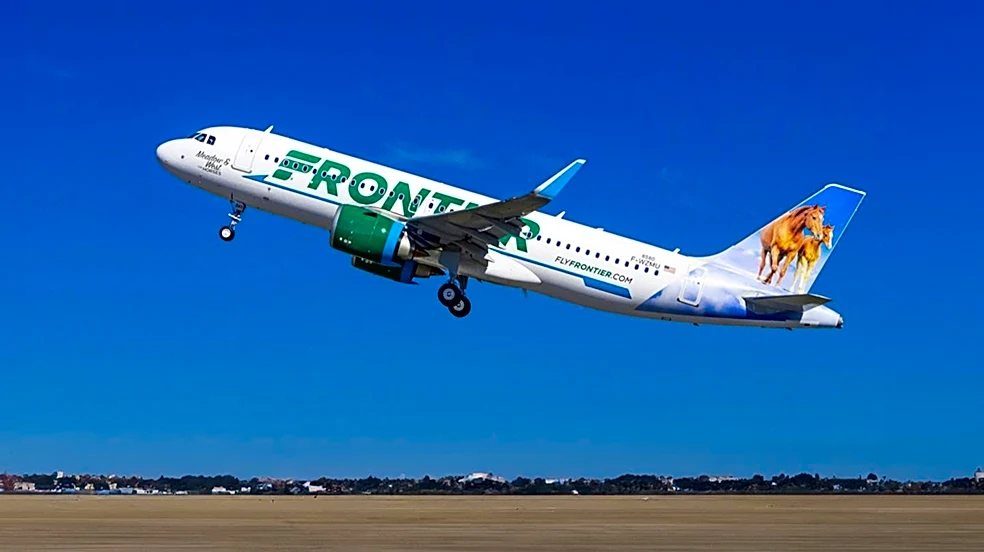
This significant order by Aviation Capital Group underscores a strong belief in the sustained growth of the global air travel market, particularly for new-technology narrowbody aircraft. The A320neo Family aircraft are known for their fuel efficiency, offering up to 20% lower fuel consumption and CO2 emissions per seat compared to previous generations, along with a 50% noise reduction. This makes them attractive to airlines looking to modernize their fleets, reduce operational costs, and meet environmental targets. For the U.S. aviation industry, this investment by a major aircraft asset manager like ACG signals continued demand for modern aircraft, which can indirectly support related sectors such as maintenance, repair, and overhaul (MRO) services, as well as aircraft financing. The long-term delivery schedule also provides stability and predictability for Airbus's production lines, impacting its supply chain and workforce. This move positions ACG for further growth by expanding its capacity to meet airline demand well into the next decade.
What's Next?
The delivery of these 75 Airbus A320neo Family aircraft is scheduled to occur between 2032 and 2035. During this period, ACG will integrate these new, fuel-efficient aircraft into its portfolio, making them available for lease to its global airline clients. The conversion rights within the agreement allow ACG to adapt its orders to specific market demands closer to the delivery dates, ensuring flexibility in its fleet management strategy. Airlines worldwide will likely continue to prioritize modern, efficient aircraft like the A320neo Family to enhance their operational efficiency and reduce their environmental footprint. This order also suggests that ACG will continue to play a crucial role in facilitating fleet modernization for airlines, potentially leading to further strategic partnerships and investments in new aircraft technologies as the aviation industry evolves. The long-term nature of this order indicates a sustained period of growth and investment in the commercial aircraft leasing sector.
Beyond the Headlines
This substantial order highlights a broader trend in the aviation industry towards sustainability and operational efficiency. The A320neo Family's reduced fuel consumption and CO2 emissions are critical as airlines face increasing pressure to meet environmental regulations and consumer demand for greener travel options. This investment by ACG reflects a strategic alignment with these long-term industry shifts, positioning the company as a key player in the transition to more environmentally friendly air travel. Furthermore, the order's long delivery timeline, extending into the mid-2030s, indicates a long-term outlook on the stability and growth of the aviation sector, despite short-term fluctuations. It also underscores the capital-intensive nature of the aircraft leasing business and the importance of strategic partnerships between lessors and manufacturers like Airbus to meet future global air travel demands. This commitment to new technology also implies a continuous need for skilled labor in aircraft manufacturing, maintenance, and operations.