





What's Happening?
Credit card interest rates are near historic highs, with the average rate at 19.6% as of July 8, according to Bankrate. Despite these high rates, many cardholders have successfully negotiated lower rates by directly asking their banks. LendingTree reports
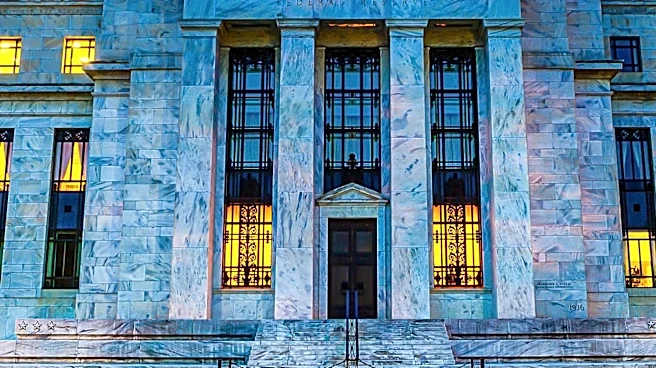
that over 80% of cardholders who requested a rate reduction in the past year were successful, with an average reduction of 6.3 percentage points. This trend is not new, as banks have historically been willing to lower rates to maintain customer relationships. The rise in credit card rates over recent years is partly due to the Federal Reserve's interest rate hikes, but card companies also charge high margins to cover costs associated with delinquent payments.
Why It's Important?
The ability for consumers to negotiate lower credit card interest rates is significant in the context of rising financial pressures. High interest rates can lead to increased debt burdens, affecting consumer spending and financial stability. By successfully negotiating lower rates, cardholders can reduce their financial strain and potentially improve their credit scores. This trend highlights the importance of consumer advocacy and financial literacy, empowering individuals to take control of their financial situations. The willingness of banks to lower rates reflects their interest in maintaining long-term customer relationships, which can lead to increased consumer loyalty and spending.
What's Next?
As credit card interest rates remain high, more consumers may be encouraged to negotiate with their banks for better terms. Financial institutions might continue to offer rate reductions and fee waivers to retain customers, especially in a competitive market. Consumers are advised to explore options such as zero-APR credit cards and nonprofit credit counseling services to manage debt effectively. The ongoing dialogue between consumers and banks could lead to broader changes in credit card policies and practices, potentially influencing industry standards and consumer protection measures.