


What's Happening?
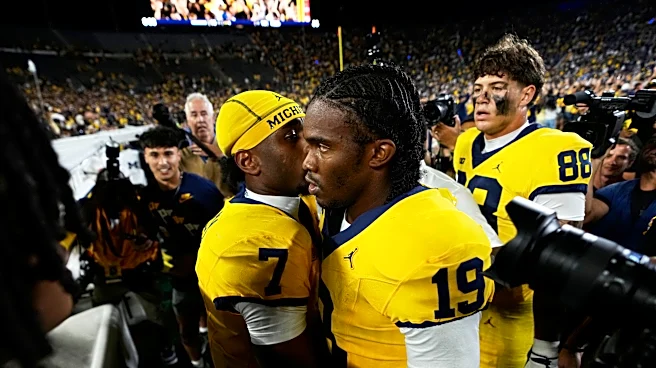
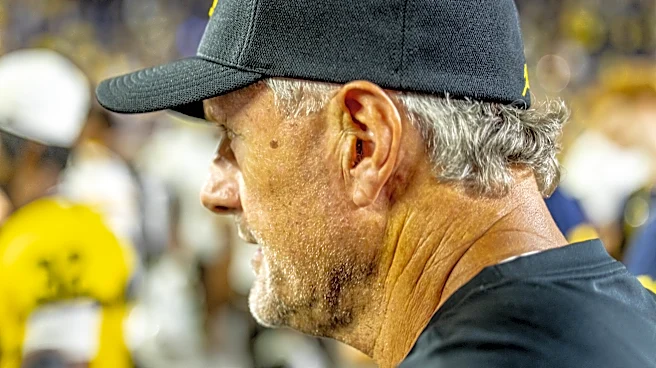
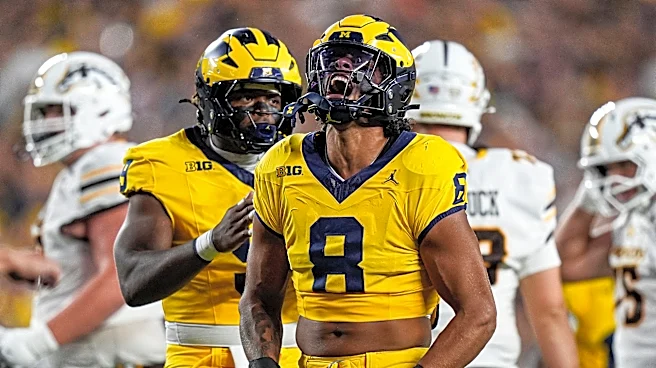
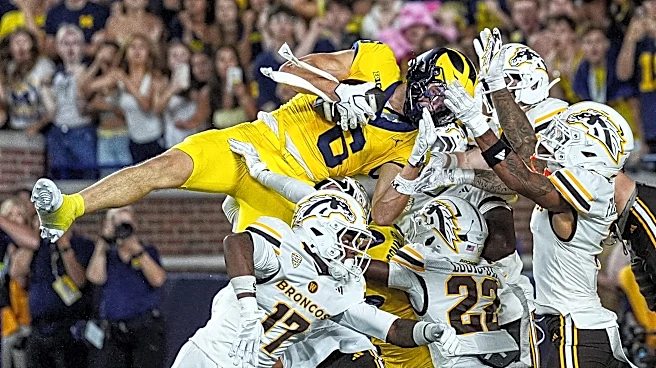
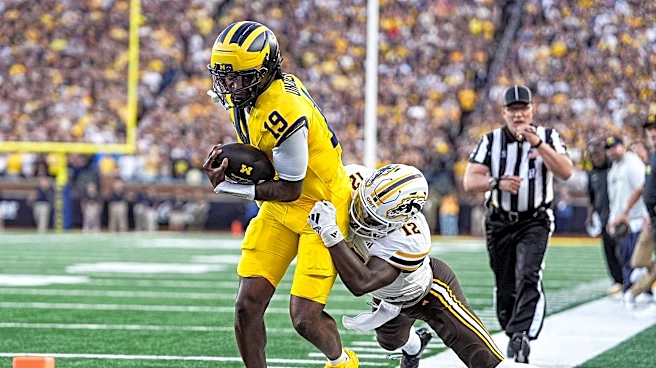
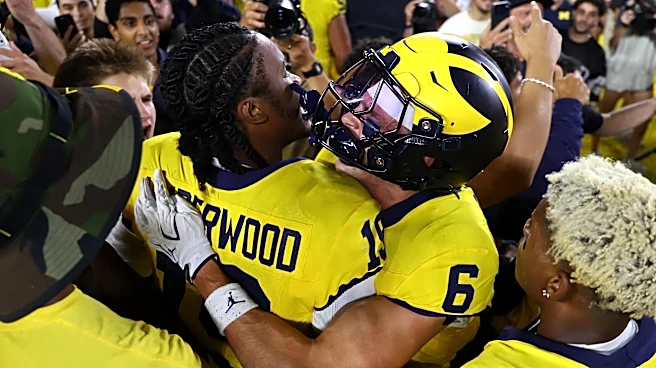
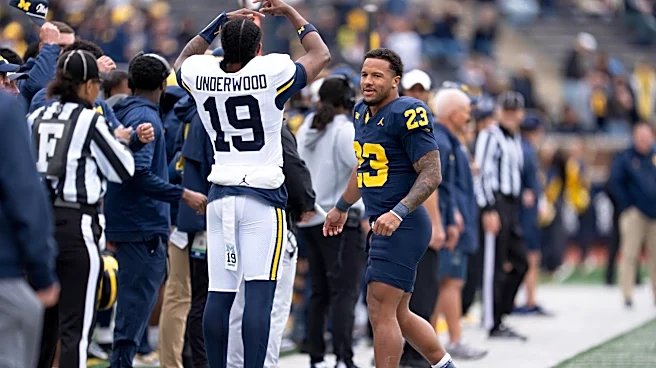
The Big Ten Conference released a statement to justify a controversial clock ruling during the Michigan-Western Michigan football game, which saw Michigan secure a 13-12 victory. Western Michigan appeared to have won after stopping a Bryce Underwood Hail
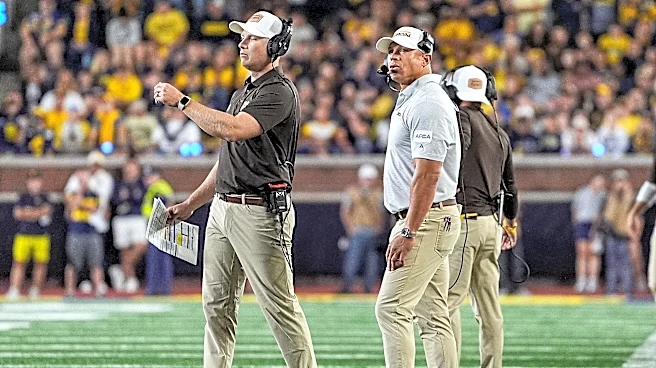
Mary as the clock hit zero. However, officials reviewed the play and, citing NCAA Football rule 4-2-3-a, determined that Western Michigan safety Micah Davis touched the ball from an out-of-bounds position with one second remaining on the clock, not zero. This rule states that a loose ball is out of bounds the moment it touches anything outside the boundary line, stopping the clock instantly. The Big Ten's explanation emphasized that all broadcast cameras tied to its replay system are synchronized using a strobe system 85 minutes before kickoff, allowing officials to accurately determine the timing of the contact. Despite this, NBC rules analyst Terry McAulay and Western Michigan coach Lance Taylor disputed the ruling, with McAulay suggesting a discrepancy between the broadcast clock and the replay system's sync, and Taylor stating his sideline view showed the clock at zero before contact.
Why It's Important?
This controversial ruling has significant implications for the integrity and perception of college football officiating, particularly within the Big Ten Conference. The decision to add one second back to the clock directly led to Michigan's winning score, transforming a Western Michigan upset into a narrow defeat. This incident raises questions about the consistency and accuracy of clock management and replay review protocols, especially when broadcast timings appear to contradict official rulings. The public statements from both the Big Ten and dissenting figures like McAulay and Taylor highlight a potential trust deficit in officiating transparency. For Michigan, the win, though controversial, allows them to avoid a major upset early in the season, which could have impacted their national standing and the debut of head coach Kyle Whittingham. For Western Michigan, the ruling denied them a historic victory against an in-state rival and a significant financial payout for playing the game, potentially affecting team morale and future recruitment.
What's Next?
Western Michigan president Russ Kavalhuna has indicated that the university will pursue further review of the ruling through the Mid-American Conference and the Big Ten, though he acknowledged uncertainty about changing the outcome. This could lead to a formal appeal or a deeper investigation into the synchronization processes of replay systems. The incident is likely to spark discussions among NCAA officials and conference commissioners about refining clock management rules and enhancing the transparency and accuracy of replay reviews. Public and media scrutiny will continue, potentially influencing how similar situations are handled in future games. For Michigan, the focus will shift to their upcoming game against No. 10 Oklahoma, where they will need to demonstrate stronger performance to quell doubts raised by the controversial win. The broader college football community will be watching for any rule changes or procedural adjustments that might emerge from this incident to prevent similar controversies.
Beyond the Headlines
The controversy surrounding the Michigan-Western Michigan game delves into deeper issues of fairness, technological reliability, and the human element in sports officiating. The reliance on synchronized camera systems, while intended to ensure accuracy, can still be subject to interpretation and potential discrepancies, as suggested by the differing accounts. The online reaction, including accusations of manipulation to protect Michigan, underscores the intense scrutiny and high stakes involved in college football, where outcomes can have significant financial and reputational consequences for universities and conferences. This event highlights the ongoing challenge of balancing the spirit of the game with strict adherence to complex rules, especially in high-pressure situations. It also brings to light the power dynamics within college athletics, where major conferences and prominent teams often face different levels of scrutiny and protection compared to smaller programs.