






What's Happening?
Luxury hotels are increasingly employing resident herbalists to cater to the growing demand for natural and personalized wellness treatments. This trend sees trained professionals prescribing bespoke natural remedies through face-to-face consultations
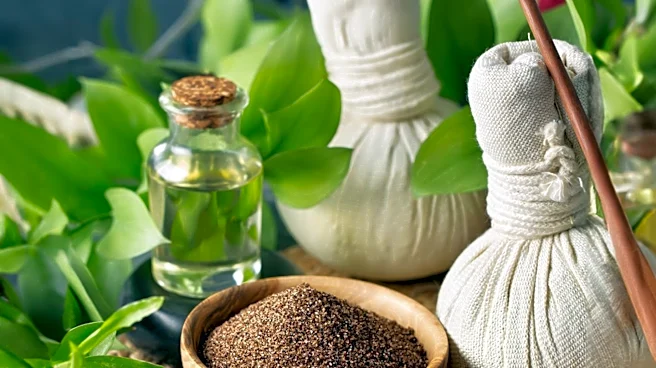
or guided experiences, often culminating in guests receiving personalized solutions and advice for health or cosmetic concerns. The return of the apothecary, a place or person dispensing herbal remedies, is noted as a fresh, modern market amid the wellness boom. Herbalism, also known as phytotherapy, combines ancient and modern plant knowledge, utilizing active compounds in plants for natural relief of non-life-threatening ailments. Many hotels with on-site gardens and greenhouses are sourcing herbs directly from their properties, emphasizing a connection between people, place, and seasonality.
Why It's Important?
This development signifies a notable shift in the U.S. luxury hospitality sector, moving beyond conventional spa services to offer more integrated and holistic wellness experiences. For U.S. consumers, it provides access to alternative health practices and personalized care, reflecting a broader interest in natural products and a potential distrust in conventional pharmaceutical solutions. This trend creates new job opportunities for trained herbalists and pharmacists within the hospitality industry, fostering a specialized workforce. Economically, it can drive demand for sustainably sourced, organic herbs and local botanical products, benefiting agricultural sectors and small businesses. It also positions luxury hotels as leaders in innovative wellness, potentially attracting a discerning clientele seeking unique and health-conscious travel options, thereby boosting revenue and market differentiation.
What's Next?
The integration of resident herbalists into luxury hotels is likely to expand, with more high-end properties adopting similar programs. This could lead to the development of specialized training programs for hotel herbalists and a greater emphasis on scientific validation of herbal remedies within a hospitality context. We may also see an increase in partnerships between hotels and local farms or botanical gardens to ensure a fresh and sustainable supply of ingredients. As guests become more educated about herbalism, there could be a demand for more interactive experiences, such as workshops on plant identification, remedy preparation, and guided botanical walks. This trend may also influence the broader wellness industry to incorporate more natural and personalized approaches, potentially impacting product development and service offerings in spas and health clinics.
Beyond the Headlines
The re-emergence of herbalism in luxury hospitality reflects a deeper cultural movement towards reclaiming traditional knowledge and a desire for more natural, holistic approaches to health. It highlights a growing skepticism towards purely synthetic solutions and a yearning for connection with nature. Ethically, this trend encourages sustainable practices, particularly when hotels source herbs locally and cultivate their own gardens, promoting biodiversity and reducing environmental impact. It also raises questions about the regulation and standardization of herbal practices within a commercial setting, ensuring safety and efficacy for consumers. The personalized nature of these consultations addresses a fundamental human need to feel 'heard' and understood in their health journey, suggesting that the value extends beyond the physical remedies to the human connection and individualized care provided by the herbalists.