




What's Happening?
Artificial intelligence is increasingly integrated into fashion design education and industry practices, transforming various aspects from trend forecasting to virtual sampling. Educational programs, such as those in fashion design, are now introducing
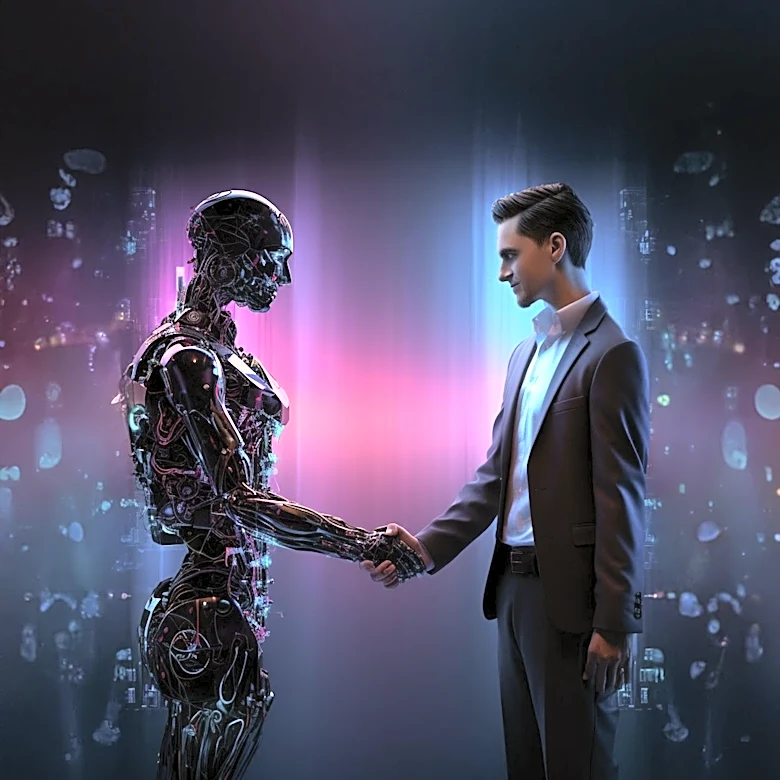
students to AI-driven tools for brainstorming creative ideas, identifying future fashion trends through digital analytics, and creating and refining garments in virtual environments. This integration aims to reduce material waste and accelerate the design process. Beyond education, AI is being utilized for generating realistic on-model fashion photography for e-commerce, offering a cost-effective alternative to traditional photoshoots. While AI can automate tasks like generating stitch patterns and forecasting trends, human designers remain crucial for tactile judgment, aesthetic vision, and hands-on prototyping. The industry is seeing AI as a powerful tool to amplify professional capabilities and explore creative ideas visually, as highlighted by designers using AI to translate visual references into new concepts.
Why It's Important?
The integration of AI into fashion design signifies a significant shift in how the industry operates, impacting efficiency, sustainability, and creativity. For businesses, AI offers substantial financial benefits, with projections indicating that generative AI could add between $150 billion and $275 billion to apparel operating profits over five years, primarily through automation in design, merchandising, and marketing. This translates to reduced costs in sampling and photography, faster time-to-market, and more data-driven decision-making. For designers, AI acts as a powerful creative tool, enabling rapid visual exploration of ideas and streamlining technical tasks. However, it also emphasizes the irreplaceable value of human creativity, intuition, and the ability to build relationships within the supply chain. The shift also impacts consumer experience, as AI-powered shopping interfaces are becoming new digital storefronts, influencing how products are discovered and presented, and raising questions about brand control over the customer journey.
What's Next?
The fashion industry is expected to continue its rapid adoption of AI, with further advancements in AI-assisted design, generative design, and smart planning. Educational institutions will likely expand their curricula to include more specialized AI-linked courses, ensuring future designers are equipped with these evolving digital tools. The development of hybrid AI frameworks, such as EquiFashion, which balance creative exploration with realistic image generation, suggests a future where AI systems become more sophisticated in understanding detailed garment attributes and preserving realistic human structures. Brands will need to strategically navigate the evolving landscape of AI-powered shopping interfaces, focusing on maintaining their unique brand voice and customer relationships within these new digital gateways. The ongoing challenge will be to leverage AI for efficiency and innovation while preserving the essential human elements of creativity and craftsmanship that define fashion.
Beyond the Headlines
The deeper implications of AI in fashion extend to ethical considerations, the nature of creativity, and the long-term evolution of human-machine collaboration. While AI can generate designs and predict trends, the question of authorship and the unique 'point of view' of a designer becomes more complex. The reliance on AI for trend forecasting could lead to a homogenization of styles if not balanced with human innovation, potentially stifling true artistic expression. Furthermore, the increasing use of AI in virtual sampling and digital fashion experiences raises questions about the environmental impact of virtual production versus physical, and whether it truly reduces waste or merely shifts it. The shift towards AI-driven shopping interfaces also brings forth concerns about data privacy, algorithmic bias in recommendations, and the potential for a less personalized, more algorithm-controlled consumer experience if brands do not actively shape their AI interactions. Ultimately, the fashion industry will need to define the boundaries and responsibilities of AI to ensure it serves as an enhancement rather than a replacement for human ingenuity and connection.