








What's Happening?
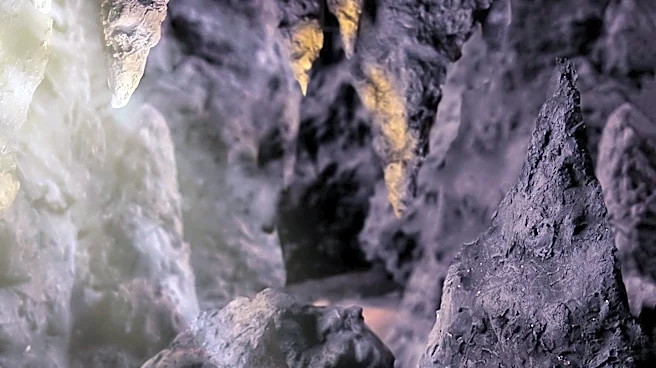
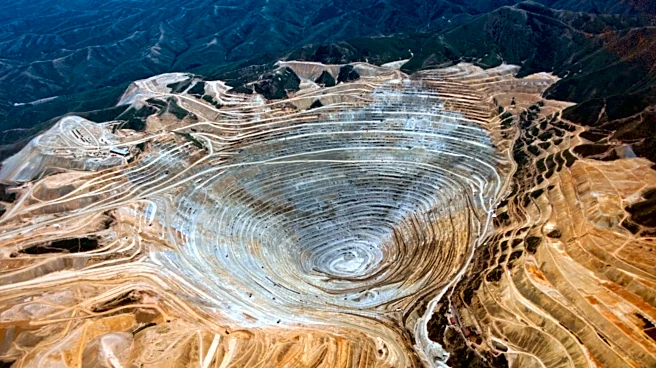
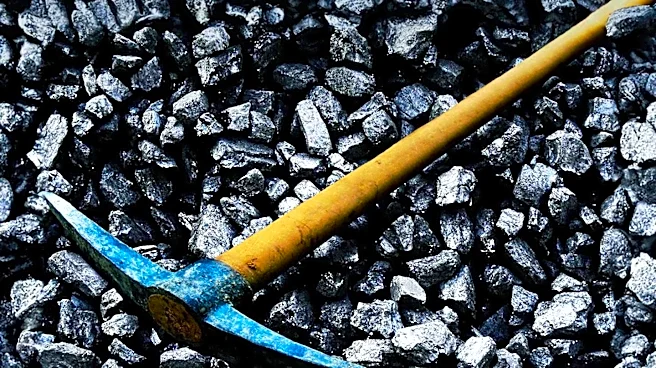
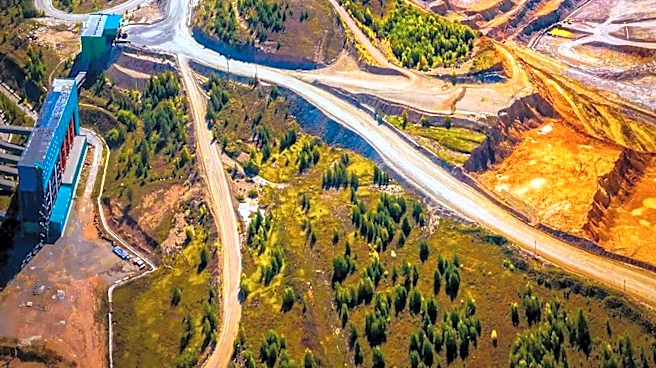
Krakatoa Resources has commenced its second season of underground drilling at the Zopkhito Antimony-Gold Project located in the Racha region of Georgia. The company is focusing on known antimony and gold mineralization veins within historical underground workings.
The 2026 work program aims to define resources, optimize metallurgy, and conduct preliminary mining studies to convert the existing foreign resource estimate into a JORC-compliant resource estimate. The current foreign resource estimate includes 225,000 tonnes at 11.6% antimony and 7.1 million tonnes at 3.7 grams per tonne for 815,119 ounces of gold. CEO Mark Major expressed enthusiasm about the project, highlighting the strategic importance of antimony as a critical mineral and the potential for Zopkhito to become a significant European source. The project has undergone extensive historical exploration, including underground exploration adits and geophysical surveys.
Why It's Important?
The Zopkhito project is significant due to its potential to become a major source of antimony, a mineral critical for various industrial applications, including flame retardants and lead-acid batteries. As antimony is considered a strategically important mineral, the development of Zopkhito could enhance Europe's supply security. Additionally, the project's gold resources add economic value, potentially boosting Krakatoa Resources' market position. The successful conversion of the resource estimate to JORC compliance could attract further investment and partnerships, facilitating the project's advancement. This development aligns with global efforts to secure critical mineral supplies amid increasing demand and geopolitical tensions.
What's Next?
Krakatoa Resources plans to begin underground panel sampling and bulk sampling in the coming weeks. The company aims to deliver a maiden JORC-compliant mineral resource estimate and advance early mine development studies. The 2026 drilling program is expected to build on the high-grade results from the previous year, further validating the project's potential. Stakeholders, including investors and industry partners, will likely monitor the project's progress closely, as successful outcomes could lead to increased investment and development opportunities. The strategic importance of antimony may also attract attention from government bodies interested in securing critical mineral supplies.