




What's Happening?
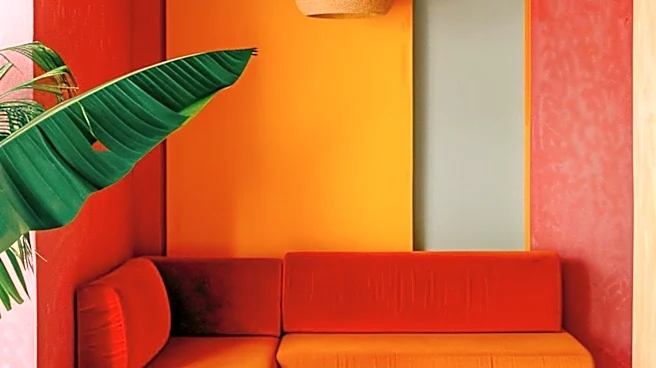
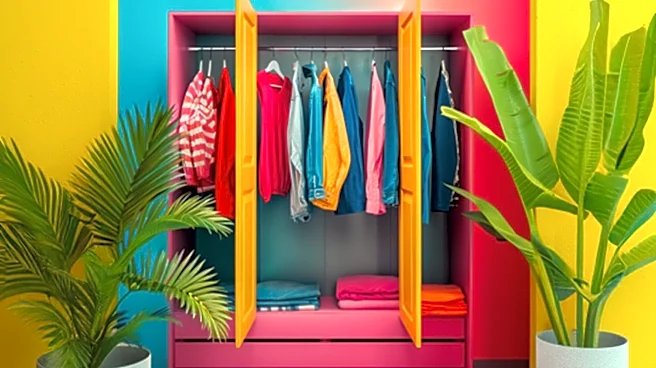
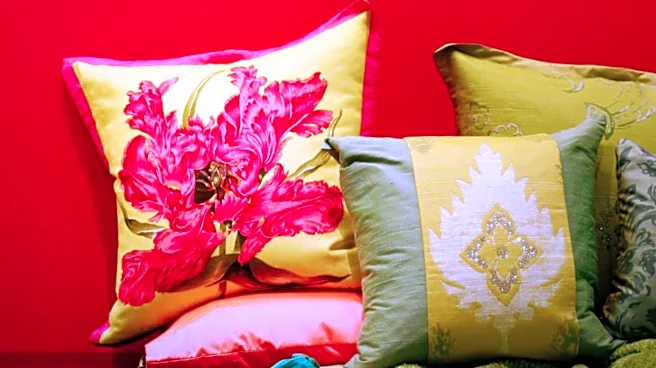
TJ Maxx and Marshalls are featuring a trend called 'dopamine decor,' which involves decorating with colorful, textural, and nostalgic elements designed to trigger the brain's release of dopamine, a mood-boosting hormone. This trend aims to transform living
spaces into happy oases through affordable items. Examples of such decor available for under $25 include a bright yellow striped 'Sunny Days Club' pillow, a three-piece set of colorful dipped clay candle holders, planters with Marimekko-inspired floral designs, a lemon and blueberry patterned vase, and whimsical pastel ghost figures for Halloween. The concept is gaining traction on social media and is supported by books like 'Dopamine Design: Creating a Home That Makes You Happy' by Maitri Mody, which explores how small design choices can impact mood.
Why It's Important?
The 'dopamine decor' trend at retailers like TJ Maxx and Marshalls is significant for the U.S. retail and home goods market. It reflects a growing consumer demand for products that offer not just aesthetic appeal but also psychological benefits, particularly in the realm of mental well-being. By offering affordable items that promise to boost mood, these stores tap into a broad demographic looking for accessible ways to enhance their living environments without a significant financial investment. This trend can drive sales in the home decor sector, especially among younger consumers and those seeking budget-friendly solutions for personalizing their spaces. It also highlights how retailers are adapting to cultural shifts, leveraging psychological concepts to market products and create a unique selling proposition in a competitive market.
What's Next?
The success of 'dopamine decor' at TJ Maxx and Marshalls could lead other retailers to adopt similar marketing strategies, focusing on the emotional and psychological benefits of their products. We might see an increase in home decor lines specifically designed to evoke positive emotions, using vibrant colors, interesting textures, and nostalgic themes. Designers and manufacturers may further explore the science behind mood-boosting aesthetics to create more targeted products. Consumers can expect to find more options for affordable, emotionally resonant decor items across various retail channels. The trend may also influence interior design practices, with a greater emphasis on creating spaces that actively contribute to residents' mental well-being.
Beyond the Headlines
The 'dopamine decor' trend points to a deeper societal recognition of the profound impact of our physical surroundings on mental health. It moves beyond purely functional or purely aesthetic considerations in home design, integrating psychological principles to create environments that actively support well-being. This trend could foster a more mindful approach to consumption, where purchases are made not just for utility or appearance, but for their potential to enhance emotional states. Ethically, it raises questions about the responsibility of retailers to genuinely deliver on the promise of 'mood-boosting' products, ensuring that marketing claims are aligned with actual psychological benefits. Culturally, it reflects a growing desire for personal sanctuaries and spaces that offer comfort and joy in an increasingly complex world, transforming home decor from a luxury or necessity into a tool for self-care.