




What's Happening?
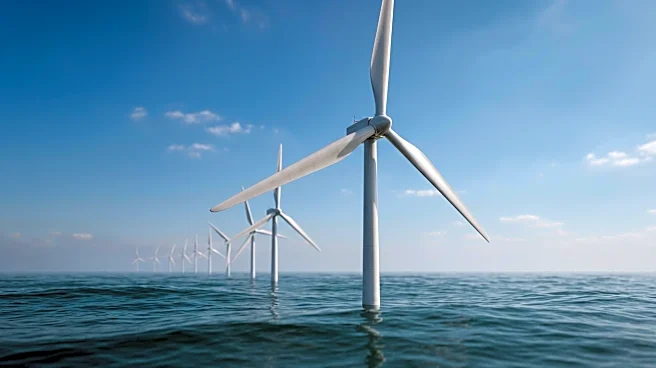
Eversource Energy, a New England utility, has divested its ownership shares in several offshore wind projects, including South Fork Wind, Revolution Wind, and Sunrise Wind. In February 2019, Eversource had acquired 50 percent interests in these projects and an associated
offshore lease area through partnerships with Danish renewable-energy developer Ørsted. This move had diversified Eversource beyond its traditional regulated electric and gas distribution, connecting it directly to state clean-energy procurements. However, in 2024, Eversource sold its 50 percent share of Sunrise Wind back to Ørsted and its ownership shares in South Fork Wind and Revolution Wind to Global Infrastructure Partners. The company has retained a noncontrolling tax-equity investment in South Fork Wind and will continue specified onshore construction work as a contractor, rather than a project co-owner, under the divestiture arrangements. This strategic shift marks a significant change in Eversource's involvement in the offshore wind market.
Why It's Important?
This divestment is important as it highlights the complexities and risks associated with large-scale renewable energy projects in the U.S. While offshore wind offered Eversource diversification and alignment with clean-energy goals, it also exposed the company to the substantial permitting, financing, and construction risks of multibillion-dollar energy projects. For the U.S. energy sector, this move could signal a re-evaluation of direct utility ownership in such capital-intensive ventures, potentially leading to more partnerships with specialized infrastructure funds or developers. It also underscores the ongoing challenge for utilities to balance the push for decarbonization with financial prudence and regulatory pressures. The decision by Eversource could influence other utilities considering similar investments, prompting a closer look at risk allocation and the long-term financial implications of large-scale renewable energy development.
What's Next?
Following this divestment, Eversource is expected to continue focusing on its core regulated electric and gas distribution businesses, while still supporting the energy transition through investments in transmission to accommodate large-scale renewables and upgrades to distribution circuits for two-way power flows. The company will also likely continue navigating the regulatory complexities of rate design and balancing investments across multiple states, each with its own public utilities commission and environmental priorities. For the divested offshore wind projects, Global Infrastructure Partners and Ørsted will assume full ownership and development responsibilities, continuing the construction and operational phases. This shift could lead to a more streamlined development process for these projects, as specialized entities take the lead. Eversource's ongoing role as a contractor for onshore construction work indicates a continued, albeit modified, involvement in the renewable energy infrastructure.
Beyond the Headlines
The Eversource divestment reflects a broader trend in the U.S. energy landscape where traditional utilities are grappling with the financial and operational challenges of transitioning to a cleaner energy grid. While the public and policymakers demand rapid decarbonization, the execution of large-scale renewable projects often involves significant upfront capital, regulatory hurdles, and construction risks that can impact utility balance sheets and customer rates. This situation raises questions about the optimal structure for financing and developing critical renewable infrastructure. It may lead to increased scrutiny of how risks are shared between utilities, developers, and ratepayers, and could encourage innovative financing models or greater government support to de-risk these essential projects. The long-term success of the U.S. energy transition will depend on effectively addressing these financial and operational complexities.