




What's Happening?
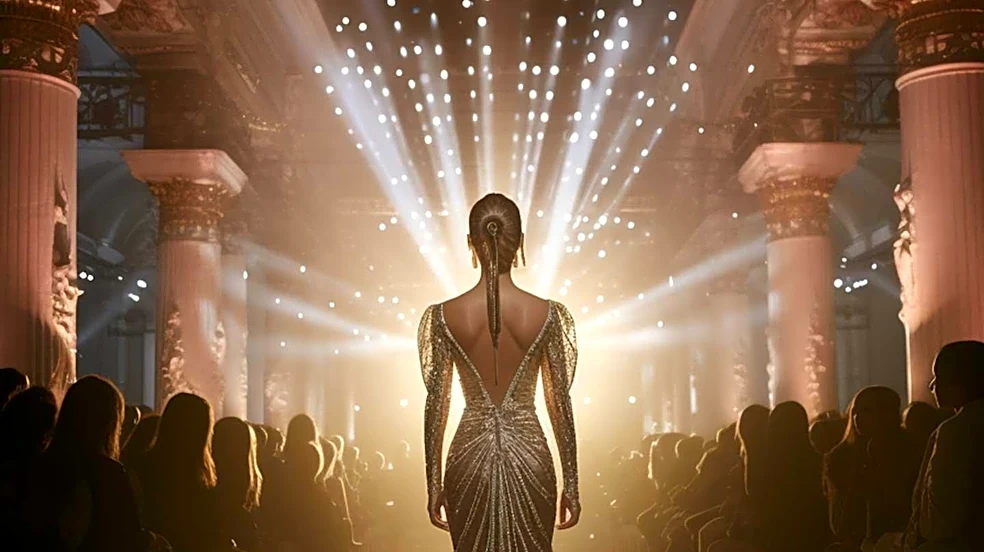
New York Bridal Fashion Week recently showcased upcoming trends in bridal attire and jewelry, with a notable emphasis on diamonds. The event highlighted a shift towards more ethereal, expressive, and whimsical wedding dresses for 2027 brides, featuring
exposed boning, high necklines, and blush tones. In terms of jewelry, vintage cuts and heirloom-inspired settings were prominent, with natural diamonds that possess a historical aesthetic taking center stage. Blue Nile, in collaboration with the historic diamond house Royal Asscher, introduced new offerings, including SIX by Royal Asscher™ and Curated by the Asscher Family. This partnership emphasizes a "Cut for Beauty" philosophy, focusing on a diamond's overall aesthetic rather than solely the traditional four Cs. Additionally, elongated silhouettes and unexpected shapes were observed as a key trend, reflecting brides' desire for personalized pieces with distinct character. The Over The Moon team attended the event, noting these trends and Blue Nile's efforts to combine digital innovation with personalized guidance from GIA Graduate Gemologists for diamond selection.
Why It's Important?
This focus on vintage and unique diamond styles at New York Bridal Fashion Week reflects a broader consumer trend in the U.S. luxury market towards individuality, craftsmanship, and sustainability. The emphasis on "Cut for Beauty" over strict adherence to the four Cs suggests a maturing market where consumers value the story and unique characteristics of a diamond. The collaboration between Blue Nile, a digitally innovative retailer, and Royal Asscher, a historic diamond house, indicates a strategic move to blend modern accessibility with traditional expertise, potentially setting a new standard for how luxury goods are marketed and sold. This trend could influence other sectors of the U.S. jewelry market, encouraging a greater appreciation for unique, ethically sourced, and historically rich pieces. For the bridal industry, it signifies a move away from mass-produced uniformity towards bespoke and personalized experiences, impacting designers, retailers, and consumers alike. The shift also highlights the increasing importance of expert guidance in high-value purchases, even within online retail models.
What's Next?
The trends observed at New York Bridal Fashion Week are likely to shape bridal collections and jewelry offerings for 2027 and beyond. Consumers can expect to see more wedding dresses with romantic, expressive details and a wider availability of vintage-inspired and uniquely shaped diamonds. The partnership between Blue Nile and Royal Asscher could lead to similar collaborations between online retailers and heritage brands in the luxury sector, aiming to combine digital convenience with established prestige. The "Cut for Beauty" philosophy may gain traction, influencing how diamonds are evaluated and marketed, potentially shifting consumer priorities beyond traditional metrics. Retailers will likely continue to enhance personalized shopping experiences, offering expert consultations to guide customers through complex purchases like engagement rings. This focus on individuality and storytelling in bridal jewelry could also inspire trends in other personal luxury goods, as consumers increasingly seek items that reflect their unique identity and values.
Beyond the Headlines
The resurgence of vintage and heirloom-inspired diamonds in the bridal market reflects a deeper cultural shift towards valuing authenticity, heritage, and sustainability. In an era of fast fashion and rapid consumption, the desire for pieces with a "story to tell" speaks to a longing for permanence and meaning. This trend also subtly challenges the conventional diamond industry's emphasis on standardized grading, suggesting a consumer preference for aesthetic appeal and emotional connection over purely technical specifications. The blend of digital innovation (Blue Nile) with historical craftsmanship (Royal Asscher) highlights a fascinating evolution in luxury retail, where technology is used not to replace, but to enhance and democratize access to traditional expertise. This could have implications for how other heritage industries adapt to the digital age, finding ways to preserve their legacy while reaching new audiences. Furthermore, the emphasis on personalized experiences in bridal shopping underscores a broader consumer demand for bespoke services that cater to individual tastes and values, moving beyond generic offerings to truly unique and meaningful purchases.