
What's Happening?
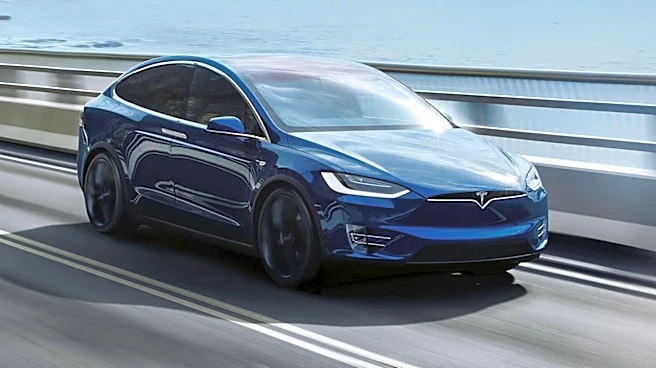
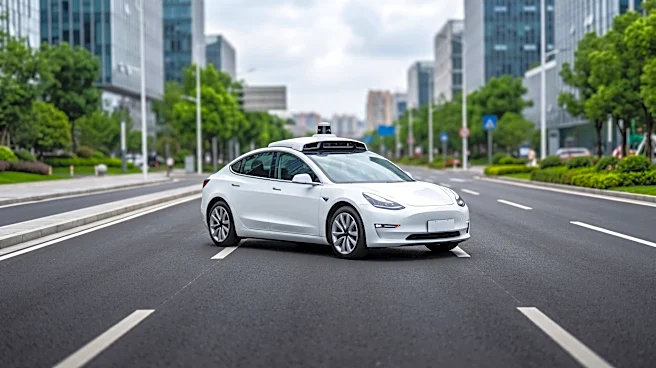
Tesla has released the v15 upgrade to its full self-driving (FSD) software, a significant development for the company's future plans. This new version is being delivered to consumers and is considered a crucial step towards scaling up Tesla's robotaxi
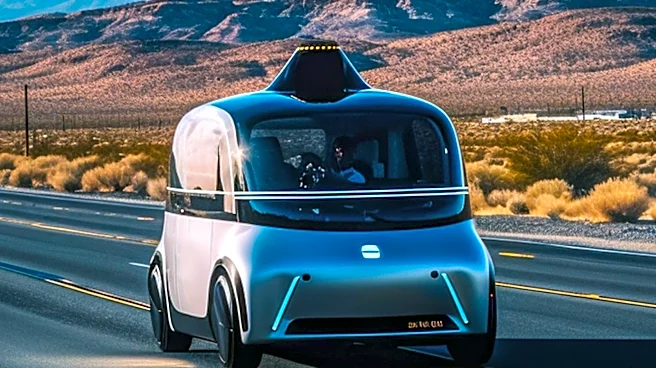
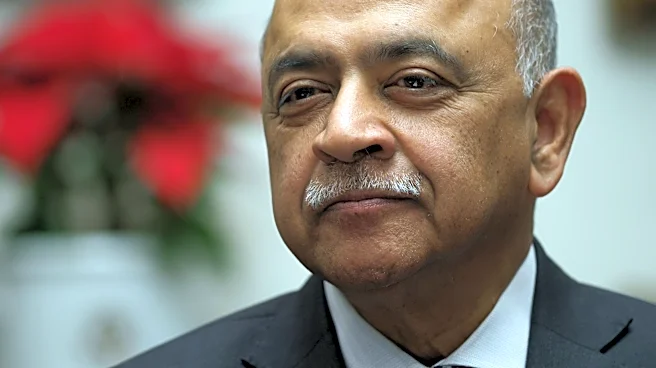
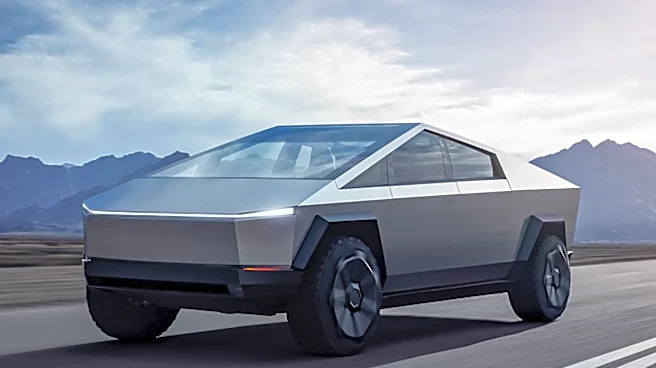
service. According to CEO Elon Musk, the v15 release, with its "major architectural improvements" aimed at enhancing safety, was a prerequisite for a large-scale unsupervised FSD rollout. Ashok Elluswamy, Tesla's Vice President of AI, has confirmed that the v15 models powering vehicles like the Model Y will also be utilized in the Cybercab. The software boasts "25 times better handling of safety-critical cases" and features photorealistic visuals, improved navigation, enhanced detection, and better parking selection. However, reports suggest it is currently only available for Hardware 4 (AI4) cars and remains a supervised product.
Why It's Important?
The timely release of Tesla's v15 FSD software holds substantial importance for investors and the broader autonomous vehicle industry. This development signals that the foundational software is now in place for Tesla to advance its robotaxi ambitions, potentially leading to significant value for shareholders. The company's ability to deliver on its software development timelines, after previous delays, could rebuild investor confidence. For the autonomous vehicle sector, the v15's claimed safety improvements and advanced features could set new benchmarks, pushing competitors to accelerate their own development. The integration of this software into the Cybercab suggests a future where Tesla aims to be a dominant player in the ride-hailing market, potentially disrupting traditional transportation models and creating new economic opportunities in the service sector.
What's Next?
Despite the v15 software architecture being in place, Tesla still faces several hurdles before fully launching its robotaxi service. The company needs to substantiate its claims of improved safety and gather extensive data from the v15 system. This includes expanding geo-fences and navigating complex regulatory landscapes, which vary significantly across different regions. Furthermore, Tesla must address operational challenges associated with managing a large-scale robotaxi fleet. While the v15 release is a major step forward, the full realization of the robotaxi service, particularly its large-scale unsupervised operation, will depend on successful validation, regulatory approvals, and the establishment of robust operational frameworks. The company's ability to overcome these challenges will determine the timeline and scope of its robotaxi deployment in 2027 and beyond.
Beyond the Headlines
The rollout of Tesla's v15 FSD software and its implications for the Cybercab project extend beyond immediate technological advancements, touching upon deeper societal and ethical considerations. The promise of "25 times better handling of safety-critical cases" raises questions about the future of road safety and the potential for autonomous vehicles to significantly reduce accidents caused by human error. However, the transition to unsupervised FSD will inevitably spark debates about liability in the event of accidents and the ethical programming of AI in life-or-death situations. The widespread adoption of robotaxis could also lead to significant shifts in urban planning, public transportation, and employment within the driving sector. Furthermore, the data collection required for validating and improving such systems brings privacy concerns to the forefront, necessitating robust regulatory frameworks to protect user information and ensure responsible AI development.