



What's Happening?
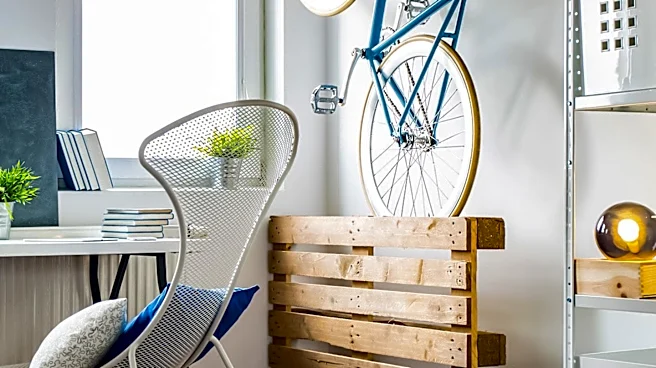
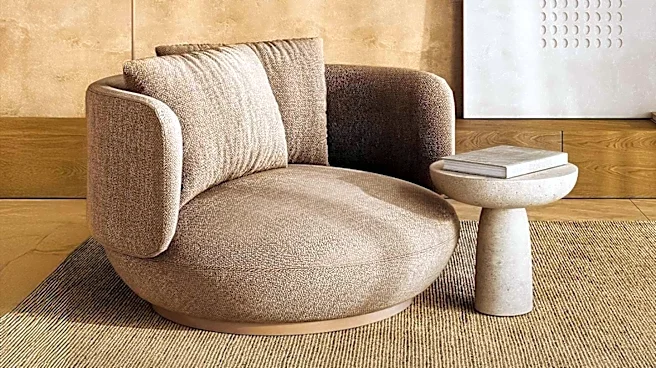
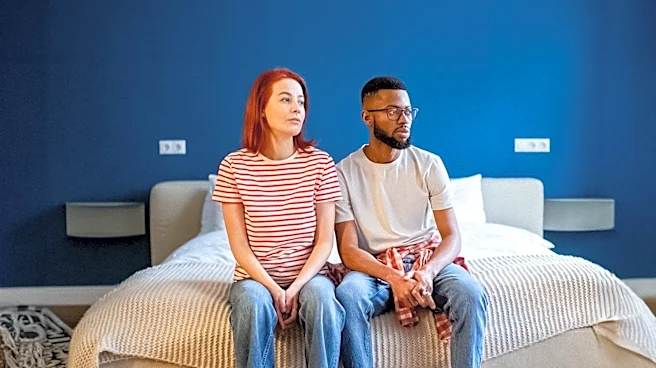
Empty nesters are increasingly transforming their children's vacated bedrooms into versatile spaces using multipurpose furniture. This trend allows homeowners to adapt these rooms for new hobbies, accommodate overnight guests, or create workout areas.
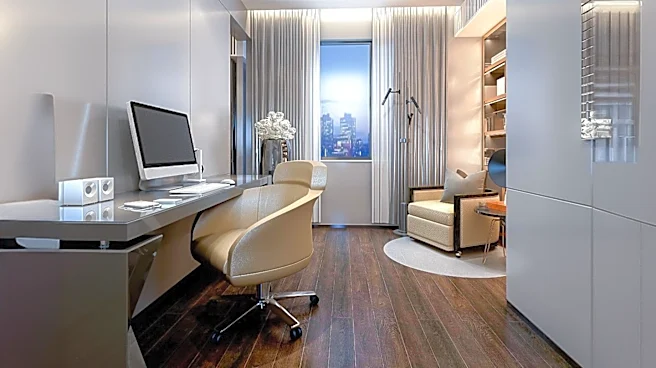
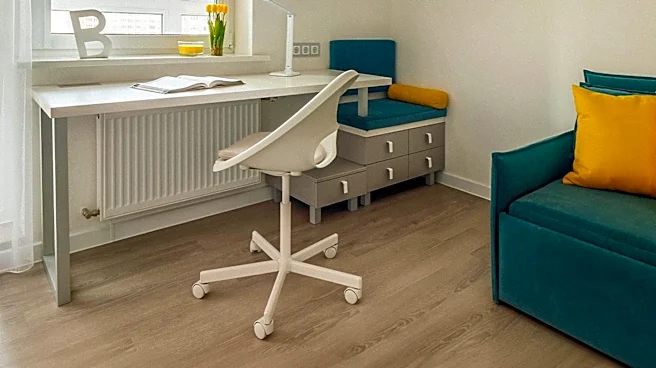
Designers like Ashley Clark of Skout Interior Design and Lucy Condolora of Miller James and Mary advocate for furniture such as daybeds, sleeper sofas, and Murphy beds, which preserve floor space while offering multiple functionalities. For instance, a desk can serve as both a workspace and a nightstand for guests. The emphasis is on creating refreshed and intentional spaces that still feel welcoming for returning children, rather than completely erasing their presence. Closed storage solutions are also recommended to keep office supplies, workout equipment, or hobby materials neatly tucked away, ensuring the room remains calm and inviting.
Why It's Important?
This design trend reflects a broader societal shift in how homeowners, particularly empty nesters, view and utilize their living spaces. As families evolve, the demand for flexible and adaptable home environments grows. The adoption of multipurpose furniture and thoughtful design allows for efficient use of space, which is particularly valuable in areas where housing costs are high or square footage is limited. This approach can enhance the quality of life for empty nesters by providing dedicated areas for personal interests and improving guest accommodation without requiring larger homes. It also highlights a psychological aspect of maintaining a connection to their children's past while embracing new phases of life, balancing sentimentality with practicality in home design.
What's Next?
The continued evolution of furniture design is expected to offer more innovative and aesthetically pleasing multipurpose options, moving beyond traditional pull-out couches. Custom furniture makers may see increased demand for bespoke solutions that seamlessly integrate multiple functions into a single piece, allowing for greater personalization and luxury. Homeowners are likely to take a more deliberate approach to redesigning these spaces, allowing for a natural transition rather than rushing into changes. This trend could also influence the real estate market, with potential buyers valuing homes that demonstrate adaptable layouts and efficient space utilization. As more people embrace flexible living, the market for smart storage solutions and convertible furniture is poised for growth.
Beyond the Headlines
The rise of multipurpose rooms in empty nester homes touches upon deeper themes of aging in place, evolving family dynamics, and sustainable living. By maximizing existing space, homeowners can reduce the need for larger homes, contributing to more sustainable housing practices. Ethically, designers are navigating the balance between creating new, functional spaces for parents and preserving a sense of belonging for adult children. This trend also reflects a cultural shift towards valuing experiences and personal well-being, as homeowners prioritize spaces for hobbies, fitness, and guest hospitality. The psychological comfort of having a flexible home that can adapt to changing needs without extensive renovations is a significant, though often unstated, benefit.