




What's Happening?
HYDRA SUBSEA has entered into a commercial agreement with Shell Offshore Inc. to implement a standardized deepwater pipeline installation solution for specific short-distance subsea tie-ins in the Gulf of Mexico. The initial project proposed under this
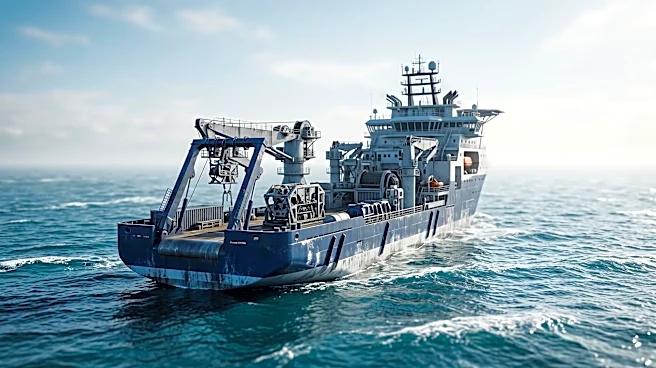
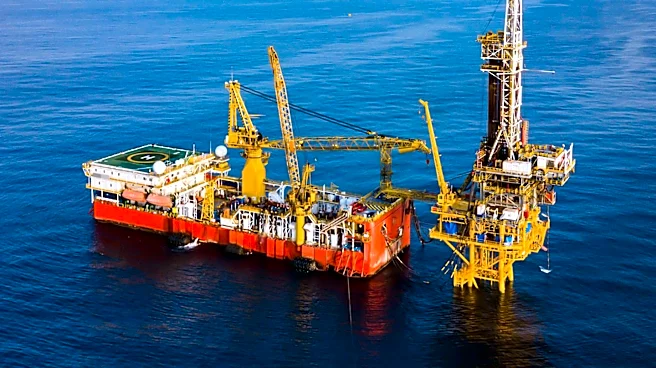
agreement is Shell’s Appomattox gas lift line, which is contingent on project-specific approvals and requirements. The Appomattox field is situated 80 miles off the coast of Louisiana, with Shell operating it with a 79% interest and INEOS holding the remaining 21%. HYDRA SUBSEA is currently preparing for the reactivation of its vessel, the Subsea Legend. This vessel is slated to receive new mission equipment, including a 250-ton active heave-compensated subsea crane, a new propulsion system, and an upgraded dynamic positioning system. The HYDRA Standard Solution aims to streamline engineering, standardize project configurations, and provide dedicated regional installation capabilities, specifically for Gulf projects.
Why It's Important?
This collaboration between HYDRA SUBSEA and Shell Offshore Inc. is significant for the U.S. energy sector, particularly in the Gulf of Mexico. The adoption of a standardized solution for deepwater pipeline installations is expected to reduce complexity, improve cost predictability, and enhance schedule reliability for qualifying projects. This approach could lead to more efficient and cost-effective development of subsea infrastructure, benefiting both the operators and the broader energy industry. For Shell, this agreement could accelerate the development and maintenance of its deepwater assets, such as the Appomattox field, ensuring continued energy production. For HYDRA SUBSEA, it solidifies its position as a key service provider in the region and demonstrates the value of its standardized solutions. The investment in upgrading the Subsea Legend vessel also signals a commitment to advanced technology and operational efficiency in deepwater operations, which could set new industry benchmarks.
What's Next?
The immediate next step involves the evaluation, approval, and award of individual projects under the established commercial and technical conditions. The Appomattox gas lift line is the first proposed project, and its progression will depend on securing the necessary project-specific approvals. Concurrently, HYDRA SUBSEA will continue with the reactivation and upgrade of the Subsea Legend vessel, which is crucial for executing these standardized installations. Once the vessel is fully operational and projects are approved, the companies will proceed with the deepwater pipeline installations. The success of this standardized approach in the Gulf of Mexico could lead to its broader adoption for other subsea tie-in projects, potentially influencing future industry practices for efficiency and cost management in deepwater energy development.
Beyond the Headlines
The strategic move towards standardized solutions in deepwater pipeline installation reflects a broader industry trend aimed at optimizing operations and mitigating risks in complex offshore environments. By reducing variability in engineering and project configurations, companies can achieve greater consistency in project outcomes and potentially lower the environmental footprint associated with bespoke solutions. This partnership also highlights the ongoing importance of the Gulf of Mexico as a critical region for U.S. energy production, necessitating continuous innovation in subsea technology and operational methodologies. The investment in advanced vessel capabilities, such as the 250-ton active heave-compensated subsea crane and upgraded dynamic positioning system, underscores a commitment to safety and precision in challenging deepwater conditions, which are paramount for both economic viability and environmental stewardship.