








What's Happening?
War Labs Defense Technologies Inc. (OTC: WCCPD) has announced its strategy to establish an American defense technology and manufacturing platform. This initiative combines the company's patented electroshock non-lethal ammunition technology with plans
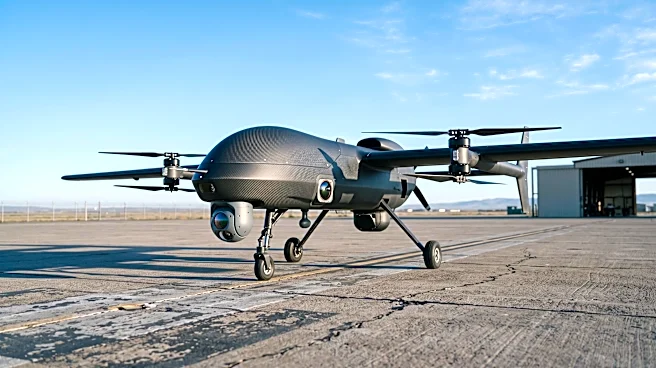
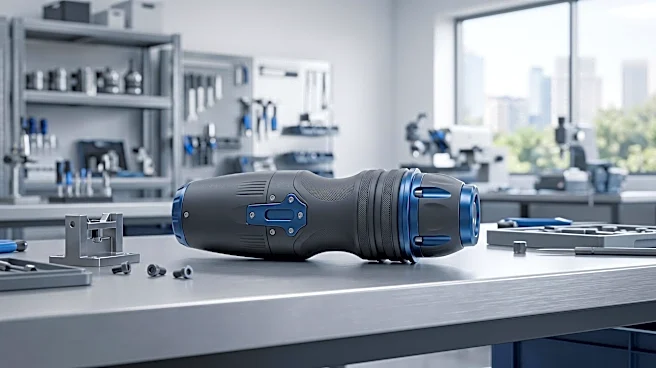
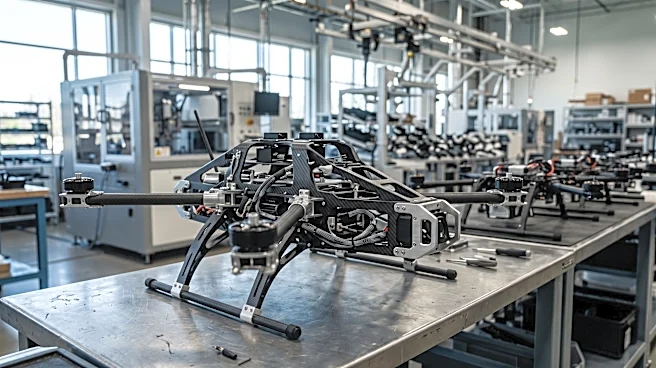
for U.S. drone production and counter-unmanned aircraft systems (C-UAS) capabilities. The core objective is to develop and commercialize differentiated defense technologies and build the necessary U.S. manufacturing infrastructure. The patented non-lethal ammunition system is designed to deliver electrical effects through self-contained, untethered projectiles, a departure from conventional conducted-energy weapons that rely on wires. This technology has undergone prototype development, manufacturing, and testing, with War Labs intending to further advance it for potential military, law enforcement, and security applications. Additionally, the company is progressing with plans for a U.S.-based unmanned aerial systems (UAS) manufacturing operation to serve U.S. government, allied defense, and other authorized customers.
Why It's Important?
This strategic move by War Labs Defense Technologies is significant for several reasons. Firstly, it addresses the growing demand for domestic defense manufacturing, aiming to reduce reliance on foreign supply chains and enhance national security. The focus on proprietary non-lethal ammunition technology could offer innovative solutions for de-escalation and crowd control, potentially minimizing casualties in various operational scenarios. Furthermore, the planned U.S. drone manufacturing operation and C-UAS capabilities are crucial in the evolving landscape of modern warfare, where unmanned systems play an increasingly vital role. By developing these capabilities domestically, the U.S. can maintain a technological edge and ensure the availability of critical defense assets. The initiative also highlights a broader trend in the defense industry towards rapid technological advancement and the need for robust manufacturing and delivery systems, as noted by Jeff M. Pariano, Strategic Consultant to War Labs Defense Technologies.
What's Next?
War Labs Defense Technologies plans to advance the engineering, testing, and commercialization of its patented non-lethal ammunition technology. This includes pursuing licensing and development relationships with established manufacturers. Concurrently, the company aims to formalize strategic relationships to support U.S. drone production and evaluate domestic manufacturing sites, equipment requirements, and production infrastructure. Engagement with prospective defense customers and authorized government procurement channels is also a near-term priority. The company will continue to evaluate complementary intellectual property and technologies while strengthening its corporate governance and reporting practices. Future updates are expected as material commercial and operational milestones are achieved, though these plans are subject to financing, definitive agreements, regulatory requirements, and operational execution.
Beyond the Headlines
The development of untethered electroshock ammunition by War Labs Defense Technologies could have profound ethical and legal implications. While presented as a non-lethal option, the deployment and potential misuse of such advanced weaponry will require careful consideration of international humanitarian law and rules of engagement. The shift towards integrating electrical delivery systems directly into projectiles could redefine the capabilities of non-lethal force, potentially leading to new doctrines for military and law enforcement operations. Moreover, the emphasis on domestic manufacturing for drones and C-UAS systems reflects a broader geopolitical trend of nations seeking greater self-sufficiency in critical defense technologies, driven by concerns over supply chain vulnerabilities and technological espionage. This could foster a more competitive and innovative U.S. defense industrial base, but also raise questions about the accessibility and control of such advanced systems.