









What's Happening?
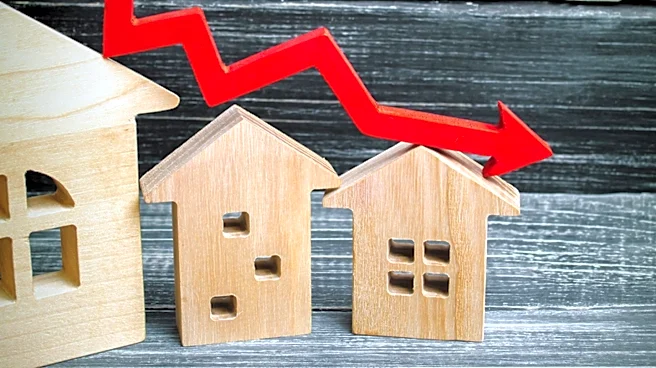
Realtors are predicting a decline in home prices in several major U.S. cities over the next 12 months, according to a 2026 housing forecast by Realtor.com. The report highlights that home prices are expected to fall in 22 of the nation's 100 largest metro
areas, particularly in the Southeast and West. This trend is attributed to the disappearance of pandemic-era demand, increased housing supply, and enhanced buyer negotiating power. Cities like Cape Coral-Fort Myers, Tampa, and North Port-Sarasota-Bradenton in Florida, as well as Riverside-San Bernardino in California, are among those expected to see significant price drops. Factors such as rising insurance premiums, climate-related risks, and increased inventory are contributing to the anticipated declines. Real estate professionals advise potential buyers to consider the overall cost of ownership, including property taxes and insurance, rather than just the purchase price.
Why It's Important?
The anticipated decline in home prices could have significant implications for both buyers and sellers in the affected markets. For buyers, this presents an opportunity to purchase homes at more affordable prices, potentially allowing for better negotiation on terms and conditions. However, for current homeowners, especially those who purchased during the peak of the market, this could mean a decrease in home equity and slower appreciation rates. The shift in the housing market dynamics may also impact local economies, as real estate is a major economic driver. Additionally, the decline in prices could influence retirement plans for those looking to downsize or relocate, as they may need to adjust their financial expectations.
What's Next?
As the housing market adjusts, potential buyers are advised to conduct thorough due diligence, considering factors such as long-term economic health, insurance costs, and property taxes. Sellers may need to adjust their pricing strategies to align with the current market conditions. Real estate agents suggest that buyers can now negotiate on price, request repairs, and obtain seller concessions, which were less common during the housing boom. The market correction may also lead to increased interest in certain areas as buyers seek to capitalize on lower prices. Monitoring legislative changes, such as the potential Save Our Homes Act in Florida, will be crucial for understanding future tax implications for homeowners.
Beyond the Headlines
The predicted decline in home prices also raises questions about the sustainability of the housing market's growth during the pandemic. The rapid appreciation in home values was driven by unique circumstances, including low mortgage rates and increased demand for remote work-friendly locations. As these factors normalize, the market is likely to stabilize, potentially leading to more balanced conditions. This shift could also prompt a reevaluation of housing policies and affordability measures, as stakeholders seek to address the challenges faced by both buyers and sellers in a changing economic landscape.