







What's Happening?
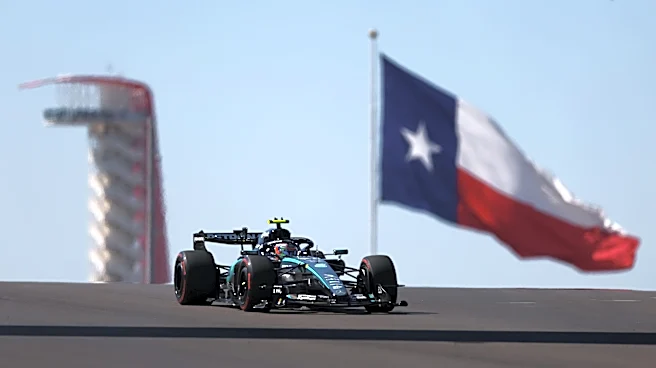
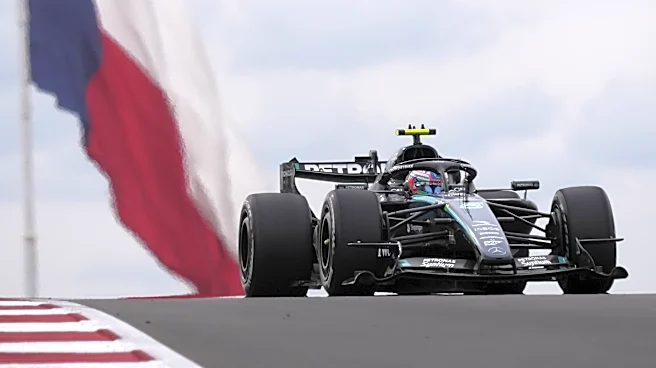
Isack Hadjar, a Red Bull Racing driver, has called on his team to fix what he describes as 'stupid little things' that are undermining his performance in Formula 1 races. Following a mixed weekend at the United States Grand Prix, where he qualified third
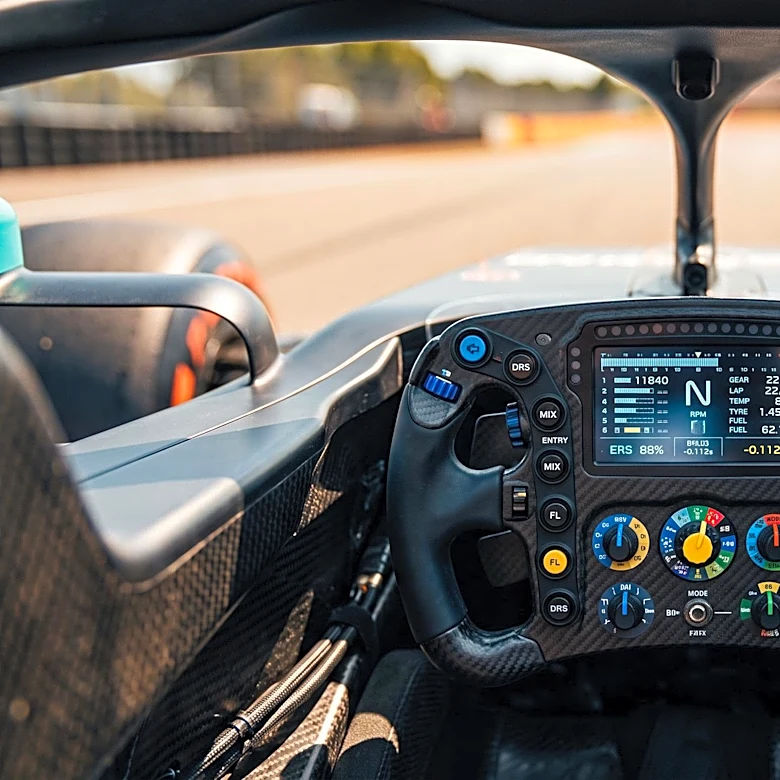
but finished sixth, Hadjar pinpointed several operational issues. These included a poor launch from the grid, persistent radio communication problems, a 'nightmare' clutch procedure, and a throttle-map fault that left his car in a pit-stop mode after rejoining the track. Hadjar emphasized that while the team successfully improved the car's pace, they failed to 'nail' these smaller, critical details. He believes that resolving these issues could significantly improve his race results, potentially putting him in contention for podium finishes.
Why It's Important?
Hadjar's critique highlights a crucial aspect of Formula 1 racing: the difference between raw car pace and flawless execution. Even with a fast car, minor operational errors can cost valuable positions and points, especially in a highly competitive field. This situation is particularly significant for Red Bull, as Hadjar's sixth-place finish, despite the issues, still helped the team move ahead of McLaren in the constructors' standings. However, the narrow margin between the teams underscores that every detail matters. For a rookie driver like Hadjar, consistent execution is vital for building confidence and demonstrating his full potential. The recurring nature of some of these problems, such as radio issues, suggests systemic challenges that Red Bull needs to address to ensure both its drivers can perform optimally and maximize their championship aspirations.
What's Next?
Red Bull will need to conduct a thorough review of the operational issues raised by Hadjar, focusing on improving procedures and error reduction. Addressing problems like radio communication, clutch consistency, and throttle-map management will be critical before the next race. The team's ability to turn diagnosis into effective fixes will directly impact Hadjar's performance and Red Bull's overall competitiveness. If these 'stupid little things' are not resolved, they could continue to hinder Hadjar's progress and potentially affect the team's standing in the constructors' championship. The pressure will be on Red Bull to demonstrate that they can provide their drivers with a car and operational support that allows for clean, error-free races.
Beyond the Headlines
Hadjar's candid remarks about the 'stupid little things' reveal the immense complexity and precision required in Formula 1. It's not just about engineering the fastest car, but also about perfecting every micro-process, from driver-team communication to the functionality of every car system. This situation underscores the 'human factor' in a highly technological sport; even the most advanced machinery can be undermined by seemingly minor operational glitches or communication breakdowns. Ethically, it raises questions about team accountability to its drivers, especially when a driver's potential is hampered by internal operational shortcomings. Culturally, it reflects the high-pressure environment where even small mistakes are magnified and can have significant consequences, pushing teams to strive for near-perfection in every aspect of their operations. This continuous pursuit of flawlessness is what defines elite motorsport.