


What's Happening?
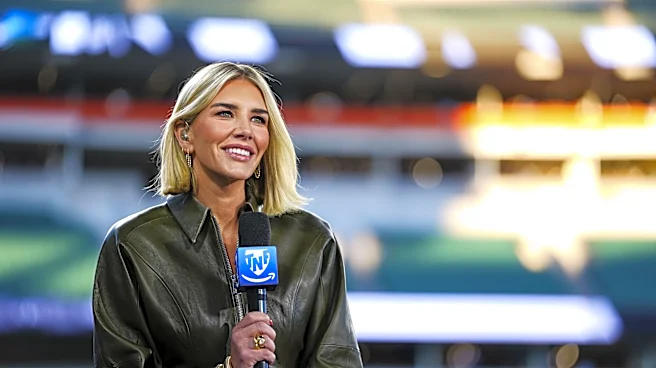
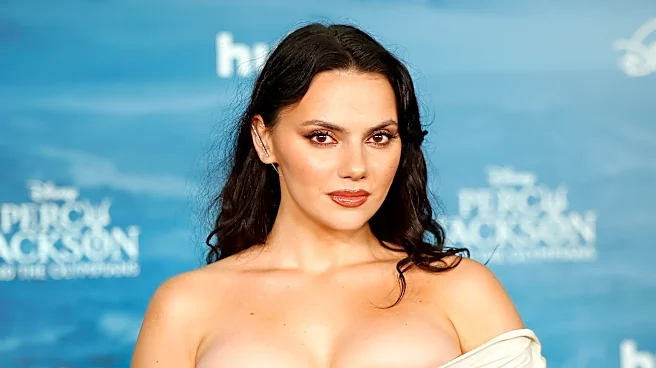
Sportscaster and media personality Charissa Thompson recently shared her negative experience with Botox on the 'Calm Down With Erin and Charissa' podcast. Thompson recounted receiving Botox with incorrect amounts, which resulted in one of her eyebrows
being noticeably higher than the other. She described the sensation as her face being 'pulled back' and noted that her father even commented on her looking different. Her co-host, Erin Andrews, also shared a less severe negative experience with facial fillers. Thompson emphasized that she had not researched the procedure or the provider beforehand, attributing part of the issue to her lack of preparation. The discussion highlighted the potential for asymmetric results when cosmetic injectables are not administered precisely, a phenomenon sometimes referred to as the 'Spock Effect' due to the raised eyebrow appearance.
Why It's Important?
This personal account from a public figure like Charissa Thompson is important as it contributes to a growing trend of celebrities openly discussing their cosmetic procedure outcomes, both positive and negative. Such disclosures can influence public perception of cosmetic treatments, encouraging potential patients to conduct thorough research before undergoing procedures. Thompson's story underscores the importance of provider expertise and patient due diligence, potentially leading to increased scrutiny of cosmetic clinics and practitioners. For the beauty and aesthetics industry, these candid discussions can serve as a reminder of the need for transparent communication about potential risks and the importance of patient education. It also highlights the impact of social media and podcasts as platforms for sharing personal health and beauty experiences, shaping consumer attitudes and choices.
What's Next?
Following Thompson's public disclosure, there may be an increased emphasis on patient education within the cosmetic procedure industry. Providers might face more questions from prospective clients regarding injection techniques, expected outcomes, and potential risks. This could lead to a greater demand for consultations that thoroughly explain the procedure and manage patient expectations. Additionally, the anecdote could prompt more individuals considering Botox or fillers to prioritize researching their chosen provider's experience and credentials. The ongoing trend of celebrities sharing their experiences with cosmetic treatments on podcasts and social media is likely to continue, further normalizing these discussions and potentially influencing beauty standards and consumer behavior in the long term. Patients who experience similar issues may feel more empowered to address them with their providers or seek corrective measures.
Beyond the Headlines
Thompson's experience, while personal, touches upon broader societal implications regarding beauty standards, the pressure on public figures to maintain a certain appearance, and the burgeoning cosmetic industry. The candid nature of her disclosure challenges the often-perfected image presented by celebrities, offering a more realistic view of cosmetic enhancements. This transparency can foster a more open dialogue about body image and self-acceptance, potentially reducing the stigma associated with both undergoing cosmetic procedures and experiencing less-than-ideal results. Ethically, it raises questions about the responsibility of practitioners to ensure patients are fully informed and the importance of realistic expectations. Culturally, the 'Spock Effect' anecdote contributes to the evolving narrative around cosmetic interventions, moving it from a taboo subject to a more openly discussed aspect of personal wellness and appearance management.