








What's Happening?
Photographer Stefen Chow, known for his work on 'The Poverty Line' and a World Press Photo award, is advocating for adults to reconnect with the joy and bliss found in playgrounds, a feeling typically associated with children. This message was highlighted
in a segment of the TED Radio Hour titled 'Have we forgotten how to play?' Chow, a Malaysian photographer based in Beijing, China, suggests that the immediate joy children experience in playgrounds is something adults could benefit from rediscovering. The segment, produced by Katie Monteleone and edited by Monteleone and Manoush Zomorodi, explores the idea that play is not just for the young but is a vital component of human well-being at all ages. Chow's perspective encourages a re-evaluation of how adults engage with their environment and seek out moments of uninhibited enjoyment.
Why It's Important?
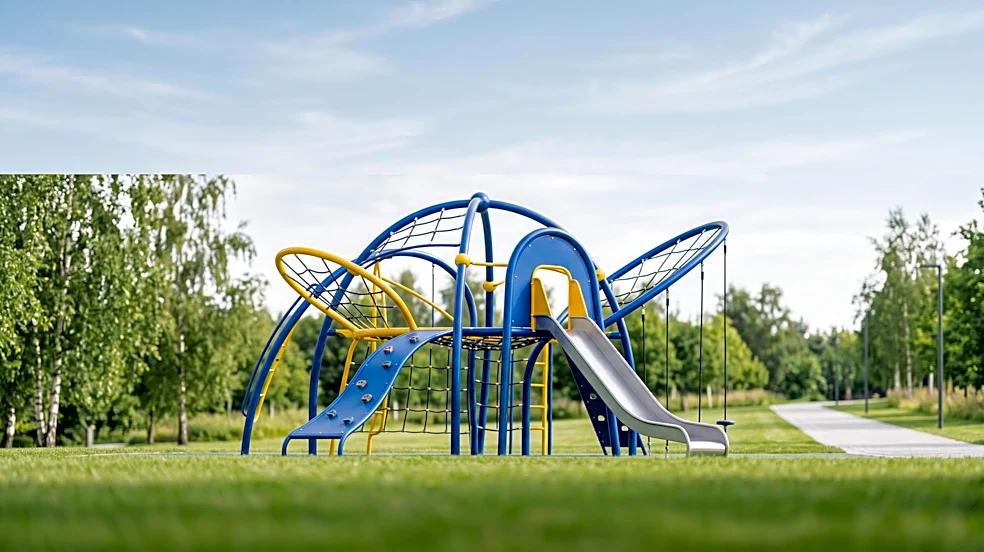
This initiative is important for U.S. society as it addresses a growing concern about adult well-being, stress, and the decline of spontaneous play in modern life. In a culture often driven by productivity and structured activities, the concept of adults engaging in free play, particularly in public spaces like playgrounds, challenges conventional norms. Reconnecting with play can offer significant mental and physical health benefits, including stress reduction, improved creativity, and enhanced social connections. For U.S. communities, promoting adult engagement with playgrounds could lead to more vibrant public spaces, fostering intergenerational interaction and a greater sense of community. It also encourages a shift in urban planning and public park design to consider the recreational needs of adults beyond traditional fitness equipment, potentially leading to more inclusive and playful environments for all ages. This could also inspire workplaces and educational institutions to incorporate elements of play to boost morale and innovation.
What's Next?
The call to action for adults to rediscover playgrounds could lead to increased awareness and discussion about the importance of play for adult well-being. This might manifest in community initiatives, public health campaigns, or even urban planning discussions aimed at creating more adult-friendly play spaces. Photographers and artists might be inspired to further explore the theme of adult play, using their work to challenge societal perceptions and encourage participation. The TED Radio Hour segment itself serves as a catalyst for this conversation, potentially reaching a broad audience and prompting individuals to consider how they can integrate more play into their daily lives. Over time, this could contribute to a cultural shift where play is recognized as a legitimate and necessary aspect of adult life, rather than solely a childhood activity.
Beyond the Headlines
The deeper implication of Chow's message lies in its critique of a society that often devalues play as unproductive or childish. By urging adults to return to playgrounds, he implicitly challenges the pervasive work-centric culture and the pressure to constantly be 'on' or engaged in serious pursuits. This perspective suggests that the loss of play in adulthood contributes to a broader sense of disconnection, both from oneself and from the simple joys of life. Ethically, it raises questions about the right to play and leisure for all ages, and how societal structures might inadvertently suppress these fundamental human needs. Culturally, it could spark a re-evaluation of what constitutes 'adult' behavior and success, potentially leading to a more balanced and holistic understanding of human flourishing. The act of play, in this context, becomes a form of resistance against the pressures of modern life, offering a pathway to greater authenticity and emotional freedom.