


What's Happening?
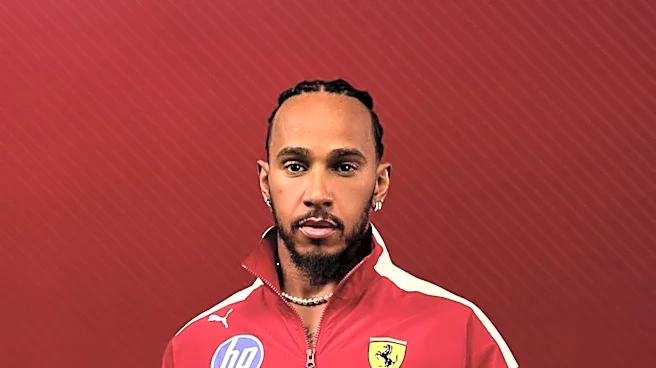
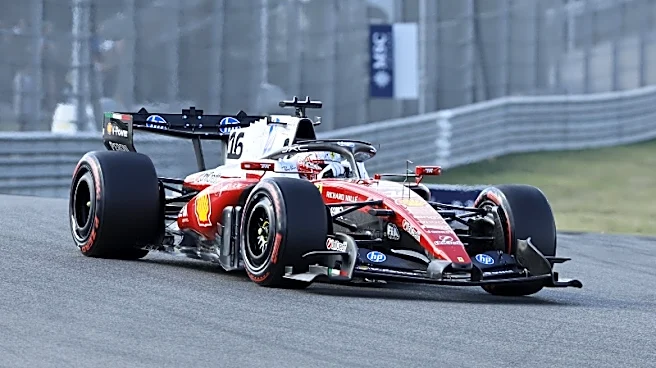
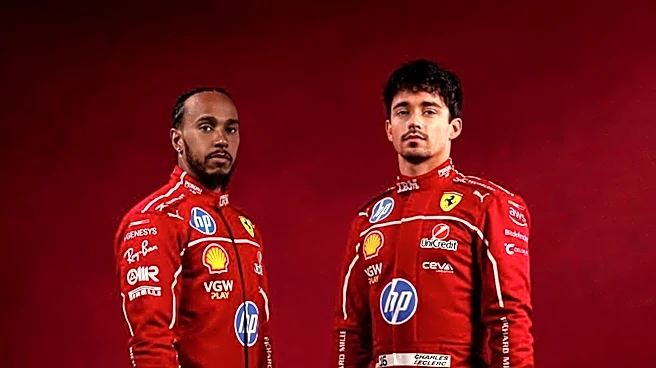
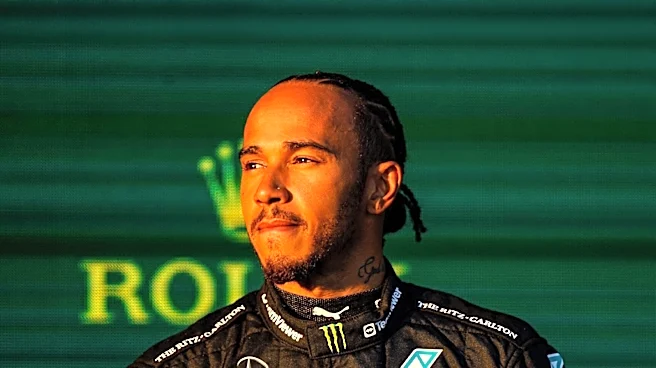
Ferrari is facing calls to prioritize Charles Leclerc over Lewis Hamilton for its long-term future, despite Hamilton's status as a seven-time world champion and a significant signing for the team. Critics argue that building Ferrari's future around Hamilton,
who will turn 42 in January, at the expense of the 29-year-old Leclerc, would be a strategic misstep. The debate intensified following tensions between the two drivers at the Mexico City Grand Prix. Former Formula 1 figures, including 1996 world champion Damon Hill, have suggested Ferrari should make Hamilton its number-one driver for 2027, citing the team's investment and Hamilton's potential to secure an eighth world championship. However, counter-arguments emphasize that while Hamilton's experience is valuable, Ferrari should focus on Leclerc, who is entering the prime of his career and has shown long-term commitment to the team. Prioritizing Hamilton could damage the relationship with Leclerc and create poor succession planning for the team.
Why It's Important?
This internal debate at Ferrari is crucial for the team's future competitive strategy and driver dynamics. The decision on whether to prioritize an established legend nearing the end of his career or a younger, committed talent in his prime will significantly impact Ferrari's championship aspirations for the next decade. Prioritizing Hamilton might offer a short-term boost in the pursuit of an immediate championship, leveraging his vast experience. However, it risks alienating Leclerc, who has been a loyal and high-performing driver for Ferrari through challenging times. Such a move could lead to Leclerc seeking opportunities elsewhere, leaving Ferrari without a clear long-term leader once Hamilton eventually retires. The team's choice will also send a strong message about its values: whether it prioritizes immediate glory through a superstar signing or invests in developing and retaining its existing talent for sustained success. This decision could influence team morale, driver motivation, and ultimately, on-track performance.
What's Next?
Ferrari's management will need to carefully navigate this internal dynamic, balancing the immediate competitive advantages Hamilton brings with the long-term stability and potential Leclerc offers. The team's performance in upcoming races and the championship standings will likely influence how this hierarchy debate unfolds. If one driver consistently outperforms the other, it may naturally dictate team strategy. Ferrari could opt for a policy of equal treatment, allowing on-track performance to determine priority, or they might make a definitive decision to back one driver. The outcome will be closely watched by the Formula 1 community, as it could set a precedent for how teams manage superstar signings alongside established young talent. The relationship between Hamilton and Leclerc will also be critical; any further tensions could force Ferrari's hand. Ultimately, Ferrari's decision will shape its driver lineup and competitive approach for the foreseeable future.
Beyond the Headlines
This situation at Ferrari highlights a recurring dilemma in elite sports: how to manage generational transitions and the balance between immediate success and long-term sustainability. Ethically, it raises questions about fairness and loyalty to drivers who have committed years to a team versus the pursuit of ultimate glory through a proven champion. Legally, driver contracts often contain clauses related to team orders and preferential treatment, which could become relevant. Culturally, Ferrari, as one of the most iconic brands in motorsport, faces immense pressure from its passionate fanbase and the media to win championships. The decision will reflect the team's philosophy—whether it prioritizes a 'win-at-all-costs' mentality or a more measured approach focused on building a sustainable future. This scenario also offers a case study in sports management, illustrating the complexities of integrating high-profile talent while nurturing existing assets, and the potential for internal conflict to impact external performance.