





What's Happening?
Congressman Tom Suozzi (D-NY) recently hosted a roundtable discussion aimed at positioning Long Island as a national leader in robotics and advanced manufacturing. The event, held at Standard Bots in Glen Cove, brought together key figures from the business,
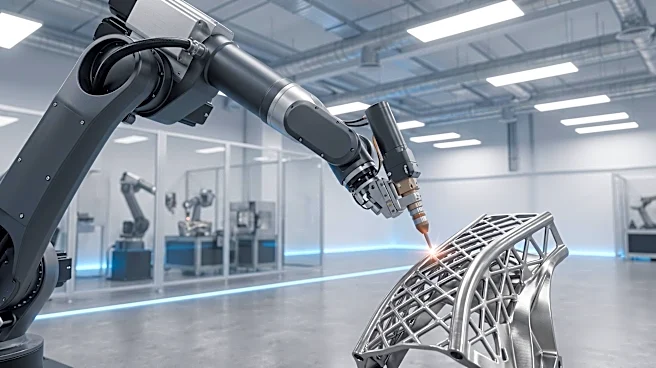
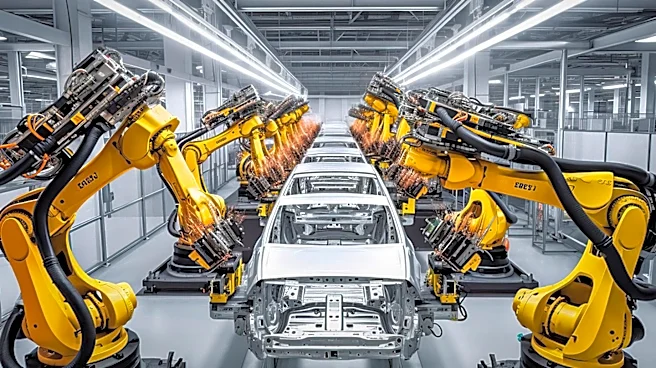
technology, and workforce development sectors. Evan Beard, Co-Founder, CEO, and Chief Engineer of Standard Bots, the largest manufacturer of industrial robots in the U.S., delivered the keynote address. The discussion focused on the rapid growth of the domestic and international robotics industry, its role in strengthening American manufacturing, and the potential for Long Island to attract robotics companies. Participants explored strategies to develop a skilled local workforce and leverage the region's existing strengths in technology, manufacturing, engineering, and research. Federal initiatives such as tariffs, grant opportunities, research and development support, workforce development expansion, tax credits, and safety standards for AI-powered robots were also discussed as potential avenues for promotion.
Why It's Important?
This initiative is significant for the U.S. economy and manufacturing sector. By fostering Long Island as a hub for robotics and advanced manufacturing, the effort aims to create high-skilled, high-tech jobs with competitive wages, contributing to economic growth in the region. Strengthening domestic robotics manufacturing can reduce reliance on foreign supply chains, enhancing national security and economic resilience. The focus on federal initiatives, including tariffs and tax credits, indicates a broader strategy to incentivize American production and innovation in a critical technological field. The collaboration between government, industry, and academic leaders underscores a concerted effort to address the challenges and opportunities presented by the evolving global robotics landscape. Success in this endeavor could serve as a model for other regions seeking to revitalize their manufacturing bases and adapt to the demands of the future economy.
What's Next?
Following the roundtable, the next steps will likely involve further collaboration between Congressman Suozzi's office, local businesses, educational institutions, and economic development agencies to implement the discussed strategies. This could include advocating for specific federal funding and policy changes, such as increased grant opportunities and tax credits for robotics companies. Efforts will also focus on expanding workforce development programs to train individuals for the specialized skills required in advanced manufacturing and robotics. The insights shared by leaders like Evan Beard and Robert Kufner will likely inform the development of concrete action plans to attract more robotics companies to Long Island and foster an ecosystem conducive to innovation and growth. Continued engagement with federal initiatives and the establishment of safety standards for AI-powered robots will also be crucial as the industry evolves.
Beyond the Headlines
Beyond the immediate economic benefits, this initiative touches upon deeper implications for the future of American labor and technological sovereignty. The emphasis on domestic robotics production reflects a growing recognition of the strategic importance of advanced manufacturing in an increasingly competitive global environment. By investing in robotics and physical AI, the U.S. aims to maintain its technological edge and ensure that American workers are at the forefront of these innovations. This move also highlights a shift towards integrating AI into physical manufacturing processes, raising ethical and regulatory questions about the future of work and human-robot interaction. The long-term success of such initiatives will depend not only on economic incentives but also on a robust educational pipeline that prepares the next generation for careers in these rapidly evolving fields, ensuring a sustainable and equitable transition to an AI-driven manufacturing era.