



What's Happening?
Larry Ellison, Oracle's CTO and co-founder, experienced a significant drop in his estimated net worth, falling over A$7.5 billion on Friday. This decline occurred as Oracle's shares plummeted over 7%, reaching their lowest point in 2026. Ellison's net worth decreased
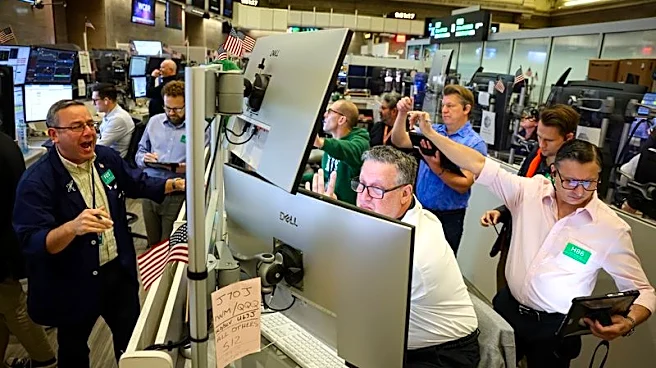
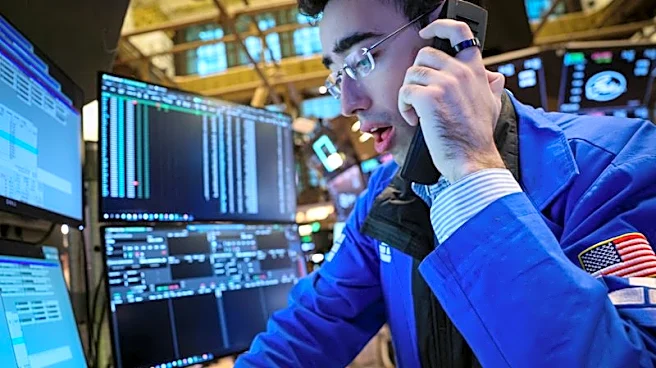
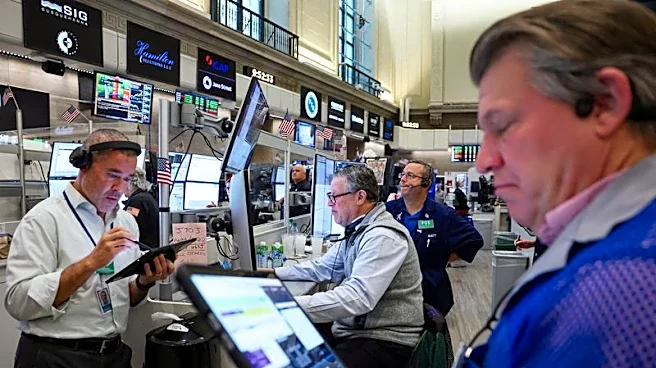
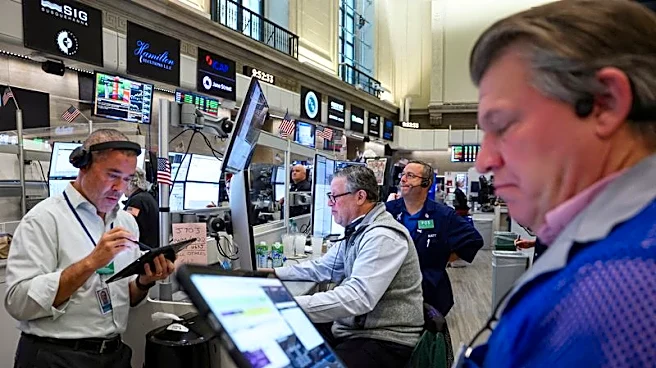
by A$11.9 billion to A$211.2 billion, causing him to fall three spots on Forbes’ real-time billionaires list. Consequently, he was surpassed by Walmart heirs Rob and Jim Walton, as well as Amancio Ortega, co-founder of Inditex. Oracle's stock price fell to approximately US$102, marking its lowest value since January 2024. The company's shares are now down 47% for the year, largely attributed to its substantial investment in AI data center buildout, which has resulted in approximately A$35.6 billion in negative free cash flow for its 2026 fiscal year. Other technology stocks also saw declines, including Micron (-12.6%), AMD (-11.2%), Broadcom (-10.9%), and Nvidia (-7%). The S&P 500, heavily influenced by the tech sector, also reached its lowest point since April.
Why It's Important?
This shift in billionaire rankings highlights the volatile nature of wealth tied to the technology sector, particularly in the current economic climate. Oracle's significant investment in AI infrastructure, while aimed at future growth, has led to substantial capital expenditures and negative free cash flow, raising investor concerns. The decline in Oracle's stock, alongside other major tech companies, indicates broader market anxieties within the technology sector. This trend could signal a re-evaluation of high-growth, high-investment strategies in tech, potentially impacting investor confidence and capital allocation across the industry. The rise of Walmart heirs in the rankings underscores the enduring stability and wealth generation capacity of established retail giants compared to the more fluctuating fortunes in the tech world. This event reflects a broader market sentiment where even established tech giants face scrutiny over profitability and cash flow amidst aggressive expansion strategies.
What's Next?
Oracle's continued investment in AI infrastructure will likely remain a key focus, with investors closely monitoring its impact on the company's financial performance, particularly its free cash flow and debt levels. The company's ability to demonstrate a return on its AI investments will be crucial for regaining investor confidence and stabilizing its stock price. Further fluctuations in the broader technology market, influenced by economic indicators and investor sentiment, could also impact Oracle's trajectory. The performance of other major tech stocks, especially those involved in AI and cloud infrastructure, will serve as a barometer for the sector's overall health. Analysts will be watching for Oracle's upcoming earnings reports to assess the effectiveness of its current strategy and any potential adjustments in its capital expenditure plans. The competition in the cloud infrastructure market, where Oracle is heavily investing, will also play a significant role in its future performance.
Beyond the Headlines
The substantial capital expenditure by Oracle into AI infrastructure, leading to negative free cash flow and increased debt, points to a broader industry trend where tech companies are making massive, speculative investments in emerging technologies. This strategy, while potentially yielding long-term benefits, carries significant short-term financial risks and can lead to investor apprehension. The shift in wealth dynamics, with traditional retail heirs surpassing a tech titan, could also signify a subtle rebalancing of economic power, or at least a temporary pause in the relentless ascent of tech wealth. It raises questions about the sustainability of growth models heavily reliant on continuous, massive capital injections into unproven or nascent technologies. This situation might prompt a re-evaluation of investment strategies within the tech sector, potentially favoring companies with clearer paths to profitability and more conservative spending habits, especially as market conditions become more challenging.