




What's Happening?
Interior design trends in 2026 are moving away from cool neutrals and minimalism towards warmer, more inviting spaces, according to experts. This shift emphasizes authenticity, comfort, and personalization in home environments. Key elements defining this
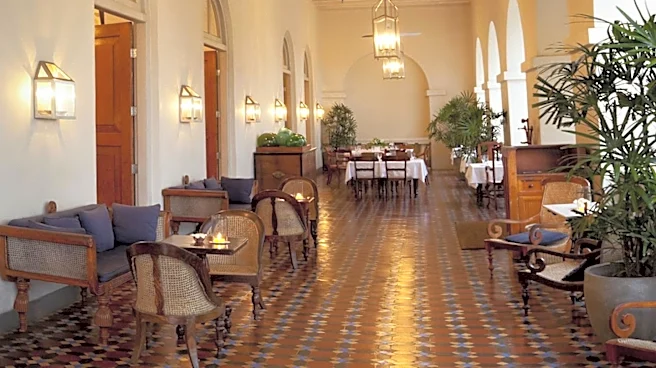
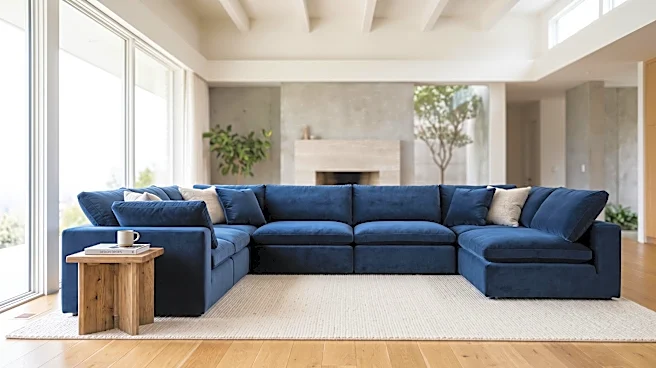
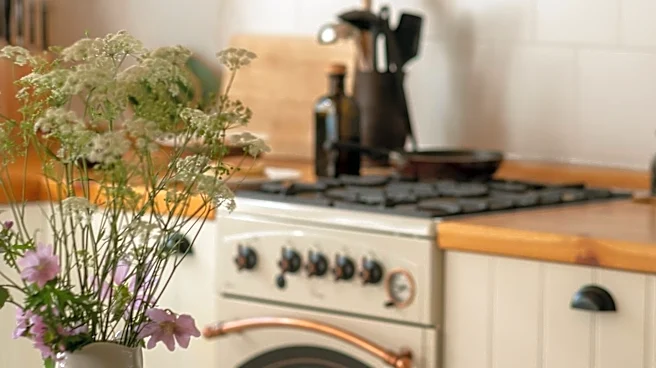
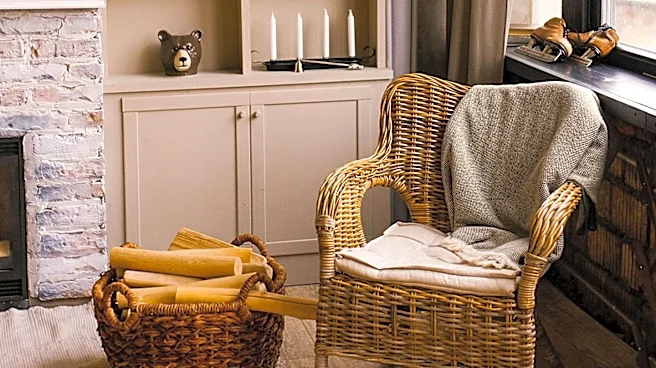
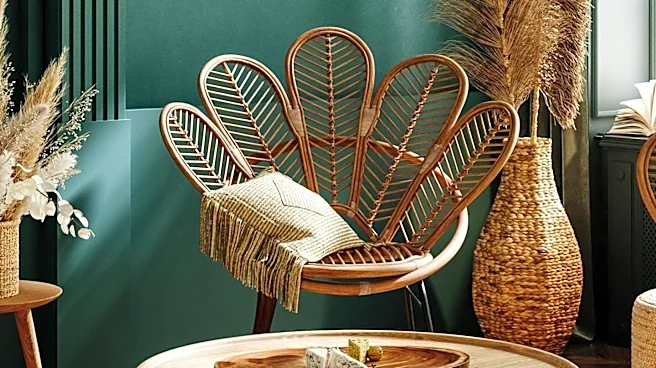
trend include the prominent use of wood, a preference for 'softer' natural stones like quartzite and travertine with warmer veining and honed finishes, and the creation of layered designs. Designers are incorporating more white oak, walnut, and rift-cut cabinetry, along with wood ceilings and paneled walls. The focus is on creating a 'sanctuary' feeling within homes, where each detail contributes to a cohesive warm aesthetic rather than relying on a few dramatic statement pieces. Layering is achieved through well-proportioned rugs, textured walls, art, draperies, and varied lighting at different levels, all contributing to a cozy and accessible atmosphere. The use of diverse textures in materials, even with similar color palettes, is also gaining prominence, as different materials catch light uniquely, adding visual depth and warmth.
Why It's Important?
This evolving trend in interior design reflects a broader societal desire for comfort, authenticity, and a sense of sanctuary within personal spaces. For the U.S. home furnishings and construction industries, this shift means increased demand for natural materials like specific types of wood and stone, as well as textiles and lighting fixtures that support a layered, warm aesthetic. Manufacturers and retailers will need to adapt their product offerings to align with these preferences, potentially leading to changes in supply chains and marketing strategies. Interior designers and architects will find opportunities in creating these 'nature-infused modern living spaces,' emphasizing open layouts, natural light, and a seamless indoor-outdoor flow. Homeowners stand to benefit from more personalized and comfortable living environments, which can positively impact well-being. Conversely, businesses heavily invested in stark minimalist or cool-toned aesthetics may face challenges if they do not pivot to meet the new market demands.
What's Next?
The continued adoption of these warm and natural design principles is expected to influence product development and marketing within the home decor and construction sectors. We can anticipate a greater emphasis on sustainable sourcing for natural materials like wood and stone, as consumers increasingly value both aesthetics and environmental responsibility. Design software and tools, such as Homestyler, will likely continue to evolve, offering advanced 3D rendering capabilities to help designers and homeowners visualize these complex, layered spaces with natural light and textures. Educational programs for interior designers may also incorporate more modules on creating 'sanctuary' spaces and integrating natural elements effectively. Furthermore, as this trend gains momentum, it could lead to a resurgence in traditional craftsmanship and bespoke furniture pieces that highlight natural materials and unique textures, moving away from mass-produced, uniform designs.
Beyond the Headlines
The shift towards warmer, more natural, and personalized interior designs goes beyond mere aesthetics; it reflects a deeper cultural yearning for comfort and stability in an increasingly complex world. The concept of the home as a 'sanctuary' suggests a psychological need for refuge and a desire to create environments that foster well-being and connection. This trend could also be seen as a reaction against the perceived coldness and impersonality of hyper-modern, minimalist designs, indicating a return to more human-centric spaces. Ethically, this emphasis on natural materials could drive demand for more sustainable and ethically sourced products, pushing industries towards greater transparency and responsible practices. Culturally, it might signify a broader appreciation for craftsmanship, natural beauty, and the unique character that natural variations in materials bring, moving away from the uniformity often associated with industrial production. This evolution in design could foster a greater connection between individuals and their living spaces, promoting a sense of rootedness and tranquility.