




What's Happening?
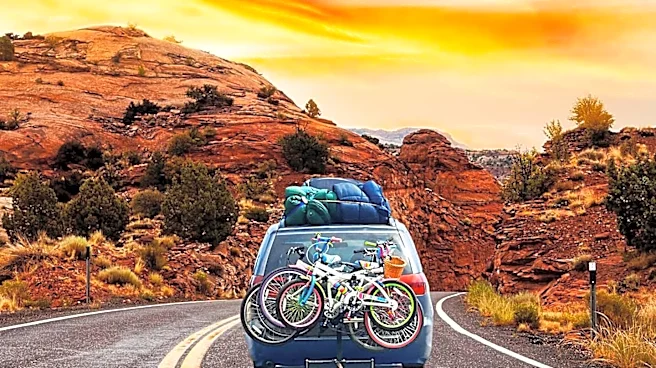
Planning a road trip in the U.S. involves several key steps to ensure a smooth and enjoyable journey. Travelers are advised to begin by selecting destinations and determining trip dates, considering factors like seasonal weather and desired trip length.
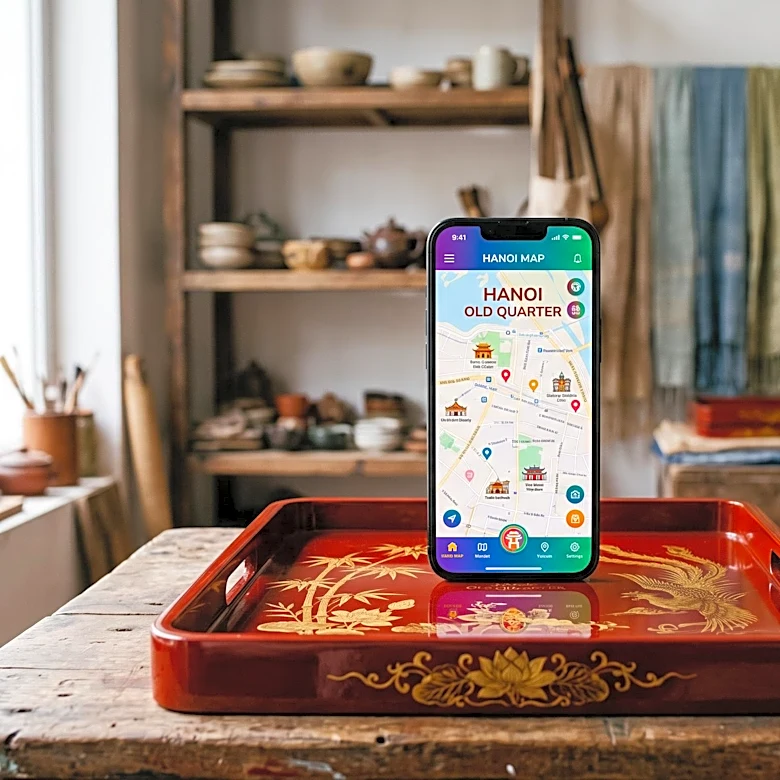
The next crucial phase is route mapping, where tools like Google Maps are used to plot starting and ending points, as well as multiple stops. Experimenting with the order of stops helps optimize mileage and drive time. Integrating recommendations from travel blogs with personal interests can enrich the itinerary. Daily itineraries should be planned with realistic expectations for travel times, accounting for winding roads, traffic, and spontaneous stops. Before hitting the road, vehicle preparation is essential, including a tune-up from a mechanic a few weeks prior to departure. Additionally, downloading offline maps for navigation and entertainment, such as music and podcasts, is recommended to mitigate issues in cellular dead zones. Emergency preparedness, including a first-aid kit and roadside assistance, is also highlighted as vital.
Why It's Important?
Effective road trip planning is crucial for maximizing enjoyment and minimizing stress for U.S. travelers. By meticulously mapping routes and planning activities, individuals can create personalized experiences that cater to their interests, whether it's exploring national parks or visiting small towns. The emphasis on vehicle maintenance and emergency preparedness directly impacts traveler safety and can prevent costly disruptions, ensuring a smoother journey across diverse American landscapes. The advice to download offline maps is particularly relevant given the varying cellular coverage in remote U.S. areas, preventing navigation issues and enhancing safety. For retirees, the flexibility offered by road trips, coupled with thorough planning, allows for travel at a comfortable pace and shared experiences with loved ones, contributing to overall well-being and leisure. This structured approach to planning empowers travelers to embrace spontaneity while maintaining a foundational level of organization and security.
What's Next?
Travelers planning U.S. road trips should proceed with booking accommodations and activity reservations, noting that booking windows can vary significantly, especially for popular national parks. It is advisable to research and secure these well in advance, or to have backup plans in case primary choices are unavailable. Creating a digital travel guide using tools like Google Docs or Notion is a recommended next step to consolidate all trip details, including addresses, booking confirmations, and daily plans, making them easily accessible on a mobile device. This digital guide should also include offline maps and saved itineraries as PDFs for areas with limited internet access. For those traveling with companions, sharing the digital guide via a QR code ensures everyone has access to the latest information. Continuous updates to the guide are encouraged as plans evolve, and flexibility should be maintained to accommodate unexpected discoveries or changes.
Beyond the Headlines
The trend towards highly personalized and digitally-supported travel planning reflects a broader shift in how Americans approach leisure and exploration. The integration of digital tools for route optimization, itinerary management, and offline access underscores a growing reliance on technology to enhance travel experiences. This also highlights the importance of digital literacy for travelers, as effective use of these tools can significantly impact the quality of their journey. Furthermore, the emphasis on preparedness, from vehicle maintenance to emergency kits, speaks to a cultural value placed on self-reliance and safety during travel, particularly when venturing into less populated or remote areas of the U.S. The flexibility inherent in road trips, combined with meticulous planning, allows for a unique blend of adventure and security, catering to a wide range of traveler preferences and fostering a deeper connection with the diverse American landscape.