





What's Happening?
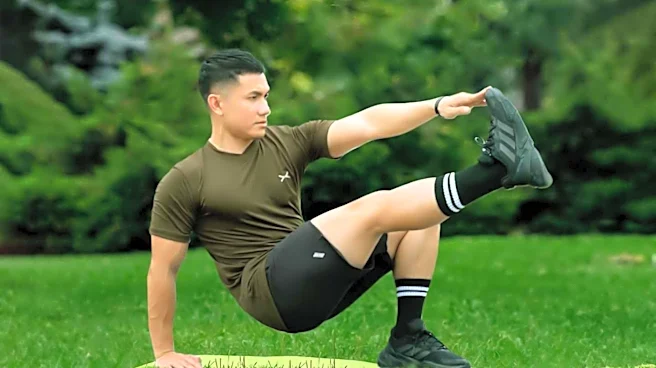
EoS Fitness emphasizes the critical role of mobility exercises and stretches in improving overall physical function and workout performance. Mobility, defined as the ability to actively move joints through their full range of motion with control, is distinct
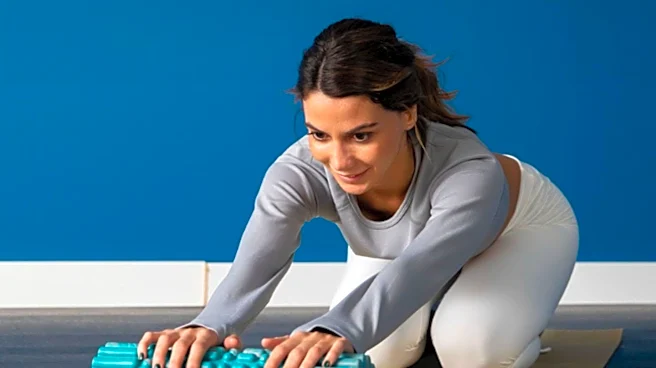
from flexibility, which refers to muscle lengthening. The fitness chain advocates for incorporating mobility training into daily routines to enhance joint movement, muscle flexibility, coordination, and stability. Benefits include improved range of motion, better control during movements like squats and lunges, effective workout preparation, enhanced post-training recovery, and superior workout performance. EoS Fitness provides a list of 10 key mobility exercises, such as Cat-Cow Stretch, World’s Greatest Stretch, and Deep Squat Hold, designed to target major joints and muscle groups.
Why It's Important?
The focus on mobility training by EoS Fitness underscores a growing understanding in the fitness industry about comprehensive physical health. Many individuals prioritize strength or cardiovascular training while overlooking joint health and functional movement. Neglecting mobility can lead to restricted movement, increased risk of injury, and diminished performance in daily activities and sports. By promoting specific mobility exercises, EoS Fitness aims to educate and equip its members with tools to move more efficiently and comfortably. This emphasis can lead to a more holistic approach to fitness, reducing the likelihood of chronic pain and improving long-term physical independence for a broader population, from athletes to everyday individuals.
What's Next?
As awareness of mobility's importance grows, more fitness centers and personal trainers are likely to integrate specialized mobility programs and assessments into their offerings. EoS Fitness's promotion of these exercises suggests a trend towards more personalized and functional training regimens. We can anticipate an increase in dedicated mobility classes, workshops, and one-on-one coaching focused on improving joint health and range of motion. Furthermore, fitness technology, such as apps and wearables, may evolve to include more sophisticated mobility tracking and guided routines, making these exercises more accessible to individuals training at home. This shift could lead to a healthier, more resilient population with fewer movement-related issues.
Beyond the Headlines
The emphasis on mobility training reflects a broader cultural shift towards preventative health and longevity. Instead of solely focusing on aesthetic goals or peak performance, there's a growing recognition of the importance of maintaining functional capacity throughout life. This has significant implications for an aging population, where preserving mobility can greatly impact quality of life and independence. Ethically, promoting mobility training aligns with a more responsible approach to fitness that prioritizes long-term well-being over short-term gains. It encourages individuals to view their bodies as complex systems requiring balanced care, fostering a deeper understanding of biomechanics and self-care beyond traditional workout metrics.