



What's Happening?
Stellantis, the global automaker, has been exploring the integration of battery and powertrain technology from its Chinese partner, Leapmotor, into its European brands such as Fiat, Opel, and Peugeot. This consideration comes as Stellantis reported a net
loss of 22.3 billion euros for 2025, its first annual loss since its formation in 2021. The significant loss is primarily attributed to a 25.4 billion euro write-down linked to a reassessment of its electric mobility plans. Chief executive Antonio Filosa stated that the company had 'overestimated the pace of the energy transition' and needed to 'reset' its business model. Consequently, Stellantis is now shifting towards a more balanced portfolio that includes electric vehicles, hybrids, and combustion engines, mirroring strategies adopted by Ford and General Motors. Negotiations for this technology integration were reportedly in early stages, with an agreement not expected before the end of 2026. Opel and Leapmotor have since signed an agreement to develop an electric C-SUV, with production already underway in Europe.
Why It's Important?
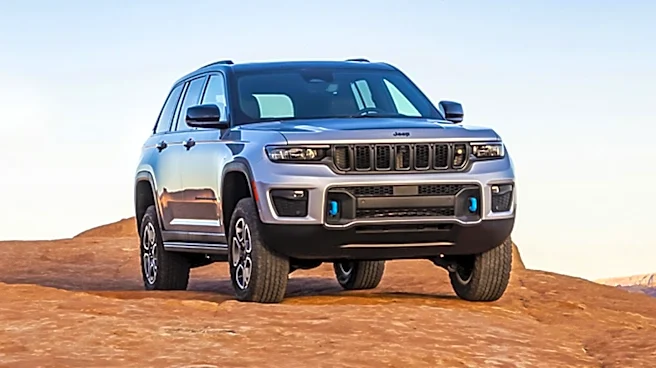
This strategic move by Stellantis highlights a significant shift in the global automotive industry, particularly concerning the adoption of Chinese technology by major Western carmakers. If Stellantis fully integrates Leapmotor's architecture, it would mark a precedent for Western manufacturers using Chinese vehicle architecture and software for models sold in Europe. This could lead to increased competition and potentially lower costs for electric vehicles in the European market, benefiting consumers but challenging traditional European suppliers. For the U.S. market, Stellantis, which sells Jeep, Ram, and Dodge brands, would need to navigate tightening U.S. regulations on software and vehicle connectivity involving Chinese technology. This could influence future product development and supply chain decisions for its American operations, ensuring that Chinese software and telematics do not enter U.S. models. The financial reassessment and shift in strategy also indicate a broader industry trend of recalibrating electric vehicle targets, impacting investment and production plans across the automotive sector.
What's Next?
Stellantis is proceeding with its revised strategy, focusing on a balanced portfolio of electric, hybrid, and combustion engine vehicles. The agreement between Opel and Leapmotor for an electric C-SUV suggests a phased integration of Chinese technology, starting with specific models. Future developments will likely involve further agreements and potential expansions of Leapmotor technology into other Stellantis brands, depending on market reception and regulatory approvals. The company will need to carefully manage the regulatory landscape, especially concerning U.S. authorities' scrutiny of Chinese technology in vehicles. Production of Leapmotor models in Europe, such as the T03 in Poland and the B10 in Zaragoza, indicates a commitment to localizing manufacturing to meet European market demands and potentially mitigate tariff impacts. The ongoing reassessment of electric mobility plans by Stellantis and other major automakers will continue to shape the industry's trajectory, with potential implications for investment in charging infrastructure, battery technology, and overall market growth for EVs.
Beyond the Headlines
The integration of Chinese automotive technology into Western brands like Stellantis raises deeper questions about technological sovereignty, intellectual property, and global supply chain dependencies. While offering cost efficiencies and accelerating EV development, such partnerships could expose Western manufacturers to geopolitical risks and concerns over data security and surveillance, particularly given the U.S.'s stance on Chinese technology. The shift in Stellantis's electric mobility strategy also reflects a broader industry realization that the transition to EVs may be more complex and slower than initially anticipated, prompting a re-evaluation of investment priorities and product offerings. This could lead to a more diversified approach to powertrain technologies across the industry, with a continued role for hybrids and advanced internal combustion engines. The financial write-down underscores the significant capital expenditure and inherent risks associated with pioneering new automotive technologies and market transitions.