







What's Happening?
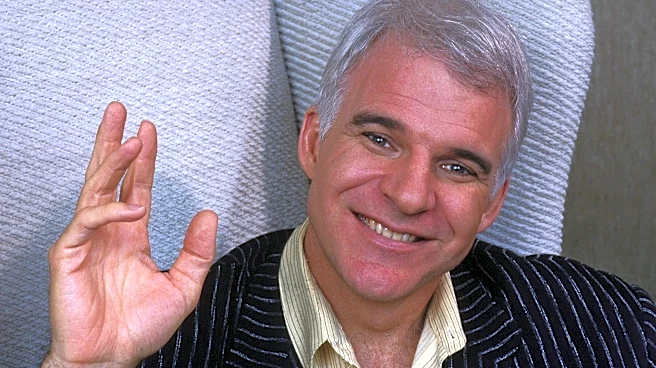
The 1991 comedy 'Father of the Bride,' directed by Charles Shyer and starring Steve Martin, offers a humorous yet poignant look at the challenges and emotions surrounding a daughter's wedding. The film centers on George Banks, a father deeply attached
to his daughter, Annie. When Annie announces her engagement to Bryan, George struggles to accept the news and the impending changes to his family. As wedding preparations unfold, George faces mounting stress from escalating expenses, unexpected problems, and disagreements, leading him to realize the complexities of being the father of the bride. The movie highlights the strong bond between George and Annie, with George's overreactions providing much of the film's humor, stemming from his love for his daughter and his reluctance for things to change. Annie, while excited for her future, remains connected to her father, while George's wife, Nina, offers a more accepting perspective, guiding him through the process.
Why It's Important?
The film's exploration of family relationships and the universal theme of letting go resonates deeply with audiences, making it a significant cultural touchstone in the genre of family comedies. The dynamic between George and Annie reflects common parental anxieties about children growing up and becoming independent, offering a relatable narrative for many families. The movie's ability to blend comedy with meaningful moments, such as George's shock at wedding costs and his emotional struggles with Annie's impending marriage, underscores the emotional complexities of major life transitions. This blend allows the film to be both entertaining and thought-provoking, providing a humorous lens through which to view the often-stressful realities of wedding planning and familial change. Its enduring popularity speaks to its success in capturing these universal experiences.
What's Next?
While 'Father of the Bride' is a classic film, its themes continue to be relevant in contemporary discussions about family dynamics, parental roles, and the emotional aspects of life transitions. The film's portrayal of a father's struggle to accept his daughter's marriage can spark conversations about evolving family structures and the challenges parents face as their children embark on new chapters. The movie's enduring appeal may lead to continued viewership on streaming platforms and television, potentially introducing new generations to its humor and heartfelt messages. Its success could also inspire future filmmakers to explore similar themes of family, change, and the comedic aspects of life's milestones, ensuring its influence on cinematic storytelling persists.
Beyond the Headlines
Beyond its comedic surface, 'Father of the Bride' delves into deeper psychological and societal implications regarding parental identity and the concept of 'letting go.' George's struggle is not merely about the wedding itself but represents a broader challenge many parents face in redefining their roles as their children mature. The film subtly touches upon societal expectations surrounding weddings, highlighting the financial pressures and emotional investments involved. It also explores the generational shift in perspectives on marriage and independence, as Annie embraces her future while George grapples with the past. The movie's enduring message about the strength of family bonds amidst change offers a comforting and relatable narrative, reinforcing the idea that relationships can adapt and remain strong even as life evolves.