






What's Happening?
The Hall of Fame Village in Canton, Ohio, is significantly transforming Stark County's economy, moving beyond initial plans to become a major driver of tourism and revenue. Anne Graffice, Vice President at Hall of Fame Village, highlighted the project's
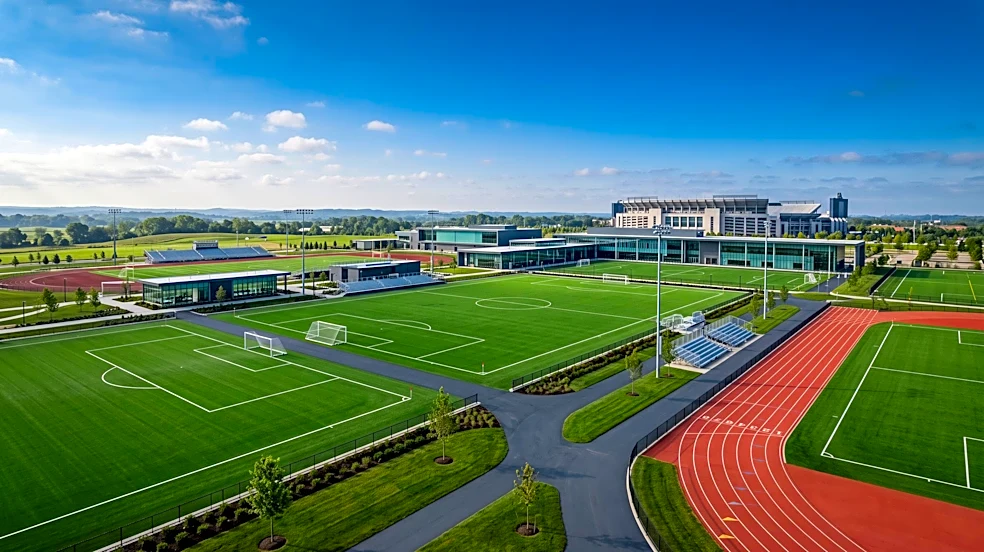
impact in an interview with 19 News anchor Brian Duffy. The development includes a football-themed indoor water park called Game Day Bay, expected to open in the spring, and a new 150-170 room hotel adjacent to it. The project has already seen the renovation of Tom Benson Hall of Fame Stadium and the creation of the ForeverLawn sports complex, featuring eight lit turf fields. Additionally, the Center for Performance, a massive indoor dome, is designed to host trade shows, concerts, and year-round sports events. The team also converted the former McKinley Grand into the DoubleTree by Hilton in downtown Canton. Graffice emphasized that these developments are attracting visitors, tournaments, and generating fresh tax dollars, leading to increased local revenue and packed dining establishments. She described the project as a 'game changer' that is creating a new narrative for prosperity in the region.
Why It's Important?
The Hall of Fame Village project is a critical economic catalyst for Stark County and the broader Northeast Ohio region. By developing a comprehensive entertainment and sports complex, it is diversifying the local economy beyond traditional industries and creating a sustainable tourism sector. The influx of visitors for sports events, concerts, and family attractions translates directly into increased spending at local businesses, including hotels, restaurants, and retail establishments, thereby boosting local tax revenues. This economic revitalization is particularly important for regions seeking to attract investment and create jobs. The project's focus on year-round attractions, such as the indoor water park and the Center for Performance, ensures a consistent flow of tourists, mitigating seasonal fluctuations often associated with sports-centric destinations. Furthermore, the development of new infrastructure and the renovation of existing properties, like the DoubleTree by Hilton, enhance the overall appeal and capacity of the region to host large-scale events, positioning Stark County as a premier destination for sports and entertainment.
What's Next?
The Hall of Fame Village anticipates the opening of the Game Day Bay football-themed indoor water park in the spring, which is expected to further boost visitor numbers and revenue. The new 150-170 room hotel will also be a key addition, providing essential accommodation for the growing number of tourists and event attendees. Continued development and expansion of the Center for Performance will likely attract more trade shows, concerts, and diverse sporting events, solidifying its role as a year-round attraction. The success of the Hall of Fame Village could serve as a model for other regions looking to leverage sports and entertainment to drive economic growth. Future plans will likely focus on maximizing the utilization of existing facilities and exploring additional partnerships to enhance the visitor experience and expand the range of offerings. The project's ongoing impact on local revenue and job creation will be closely monitored as it continues to evolve and attract more visitors to Stark County.
Beyond the Headlines
The Hall of Fame Village project represents a significant shift in regional economic development strategies, moving towards experience-based tourism and multi-faceted entertainment complexes. This approach aims to create sustained economic growth by offering diverse attractions that appeal to a wide range of visitors, from sports enthusiasts to families. Beyond the immediate economic benefits, such large-scale developments can foster a renewed sense of community pride and identity, transforming the perception of a region. The emphasis on 'developer-friendly partnerships' highlights the importance of collaboration between public and private sectors in realizing ambitious projects that require substantial investment. This model also underscores the potential for sports and cultural institutions to become anchors for broader urban and regional revitalization, generating not just revenue but also social capital and improved quality of life for residents. The long-term success of the Hall of Fame Village will depend on its ability to adapt to changing consumer preferences and maintain its appeal as a premier destination.