






What's Happening?
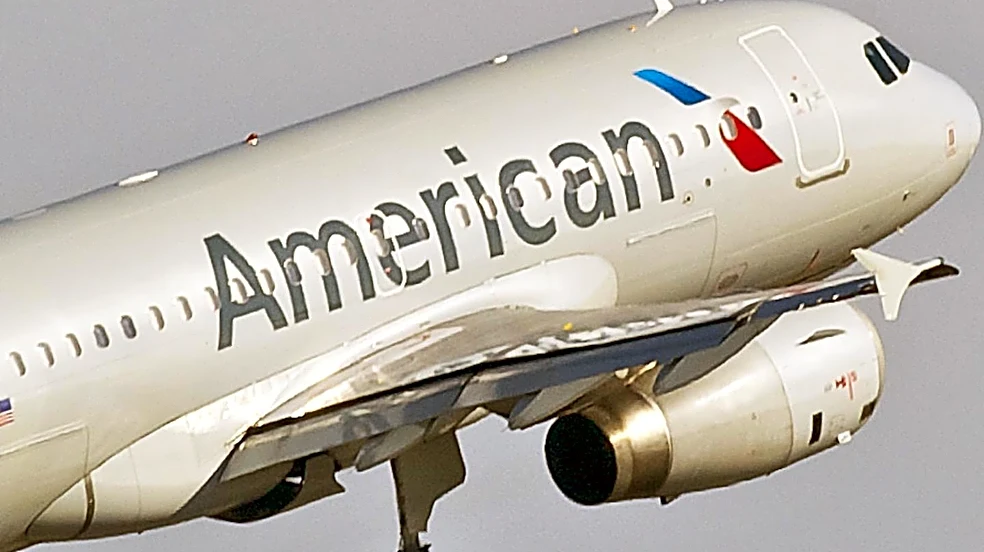
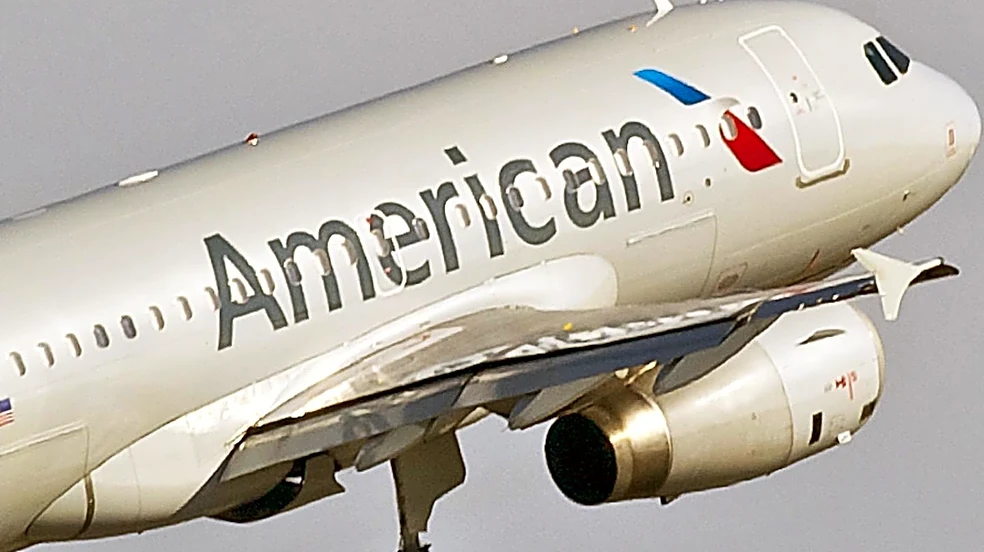
American Airlines is mandating an online training module for its flight attendants on credit card sales, a move that has angered the Association of Professional Flight Attendants (APFA), the union representing over 30,000 American Airlines flight attendants.
The airline states that while the training is compulsory, actual promotion of credit cards onboard remains voluntary, with flight attendants earning commission for successful applications. Failure to complete the training module could lead to dismissal. The union argues that this new requirement violates their collective bargaining agreement, asserting that it redefines the scope of a flight attendant's job. American Airlines is also introducing a new scoring system, Me@Work, which will track the number of successful credit card applications attributed to each flight attendant.
Why It's Important?
This dispute highlights a growing tension in the airline industry between management's pursuit of ancillary revenue and labor unions' efforts to protect job descriptions and working conditions. Loyalty programs, particularly co-branded credit cards, have become a significant and highly profitable component of major U.S. airlines' business models, often contributing substantially to their financial performance. The union's concern about 'redefining' job roles could set a precedent for future demands on flight attendants, potentially expanding their responsibilities beyond traditional safety and service duties. For passengers, this could mean an increase in onboard credit card solicitations, impacting the travel experience. The outcome of this disagreement could influence how other airlines approach similar revenue-generating strategies and labor negotiations.
What's Next?
The APFA is expected to continue challenging American Airlines' mandatory credit card training, likely through further negotiations or formal grievances, citing violations of their collective bargaining agreement. The airline, on the other hand, will likely defend its position by emphasizing the voluntary nature of actual sales and the importance of accurate information dissemination for those who choose to participate. The implementation of the Me@Work scoring system, which tracks credit card applications, could also become a point of contention, potentially leading to further union action if flight attendants feel pressured to engage in sales. The resolution of this issue could involve mediation or arbitration, or potentially lead to changes in how airlines integrate ancillary sales into flight attendant duties across the industry.
Beyond the Headlines
Beyond the immediate labor dispute, this situation reflects a broader trend in the service industry where employees are increasingly expected to engage in sales or promotional activities, often blurring the lines of their primary job functions. For flight attendants, whose core role is passenger safety and service, the addition of mandatory sales training raises questions about professional identity and the potential for mission creep. It also touches upon the ethical considerations of pushing financial products in a captive environment, and whether passengers might feel undue pressure. The reliance of airlines on loyalty programs for profitability also underscores a shift in their financial strategies, moving beyond ticket sales to monetize every aspect of the customer journey, which could have long-term implications for customer service and employee morale.